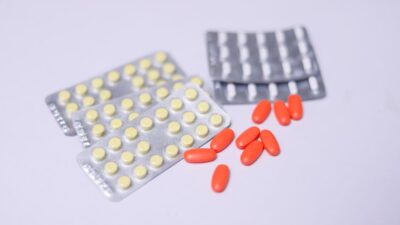
Metformin is the first-line medication for most people with type 2 diabetes, but it is not tolerated or appropriate for everyone. If gastrointestinal side effects, kidney function, or other issues rule it out, several evidence-based alternatives can lower A1C, and some offer additional benefits for the heart and kidneys.
Why Consider an Alternative?
About 10-25% of people who start metformin stop because of nausea, cramping, bloating, or diarrhea. Extended-release formulations and slow titration help many, but not all. Other reasons to consider alternatives include advanced chronic kidney disease, active liver disease, heart failure exacerbation, or a preference to avoid side effects.
Medication Alternatives at a Glance
| Class | Examples | Avg A1C Reduction | Weight Effect | Key Considerations |
|---|---|---|---|---|
| GLP-1 receptor agonists | Semaglutide, liraglutide, dulaglutide | 1.0-1.8% | Loss (3-15 lb) | CV benefit; GI side effects |
| GIP/GLP-1 co-agonist | Tirzepatide | 1.5-2.1% | Loss (up to 20+ lb) | Newer; GI side effects |
| SGLT2 inhibitors | Empagliflozin, dapagliflozin, canagliflozin | 0.5-1.0% | Loss (3-7 lb) | CV and kidney benefits; UTI/yeast risk |
| DPP-4 inhibitors | Sitagliptin, linagliptin | 0.5-0.8% | Neutral | Oral, well tolerated |
| Sulfonylureas | Glipizide, glimepiride | 1.0-1.5% | Gain | Low cost; hypoglycemia risk |
| Thiazolidinediones | Pioglitazone | 0.5-1.4% | Gain | Insulin sensitizer; fluid retention |
| Basal insulin | Glargine, degludec | Variable | Gain | Flexible; requires injection and monitoring |
GLP-1 Receptor Agonists
These injectable (and now one oral) medications mimic a gut hormone that stimulates insulin, suppresses glucagon, slows gastric emptying, and reduces appetite. Semaglutide (Ozempic, Rybelsus, Wegovy), dulaglutide (Trulicity), and liraglutide (Victoza) all have clinical trial evidence for cardiovascular benefit in high-risk adults.
Who They Suit
People who want weight loss, have established cardiovascular disease, or need meaningful A1C reduction without hypoglycemia risk. GI side effects — nausea, vomiting, constipation — are common when starting but usually improve. Not for people with a personal or family history of medullary thyroid cancer or MEN2 syndrome.
SGLT2 Inhibitors
These oral medications block reabsorption of glucose in the kidneys, causing excess sugar to be excreted in urine. Empagliflozin (Jardiance), dapagliflozin (Farxiga), and canagliflozin (Invokana) have demonstrated benefits for heart failure and chronic kidney disease in large trials.
Considerations
Increased risk of genital yeast infections and urinary tract infections. Rare but serious risks include diabetic ketoacidosis (even with relatively normal glucose) and, with canagliflozin, lower-limb amputation and fracture in some studies. These medications are preferred in people with heart failure or albuminuric chronic kidney disease.
DPP-4 Inhibitors
Sitagliptin (Januvia), linagliptin (Tradjenta), and saxagliptin (Onglyza) are taken by mouth once daily, are weight-neutral, and rarely cause hypoglycemia. A1C reduction is modest — typically 0.5-0.8 percentage points. They are a reasonable option for older adults who prioritize simplicity and safety over aggressive A1C reduction.
Sulfonylureas
Glipizide and glimepiride stimulate insulin release from the pancreas. They are inexpensive and effective at lowering A1C, but they can cause hypoglycemia and weight gain. Sulfonylureas are often used when cost is a major factor, but newer agents are generally preferred in people with cardiovascular disease or at high hypoglycemia risk.
Thiazolidinediones (TZDs)
Pioglitazone (Actos) improves insulin sensitivity in muscle and fat tissue. It can be effective for people with significant insulin resistance or fatty liver disease, but side effects include fluid retention, weight gain, fracture risk, and a possible small increase in bladder cancer risk. Careful patient selection is important.
Insulin
Insulin is sometimes bypassed as a “last resort,” but modern basal insulins (glargine U-300, degludec) are safe and flexible. Insulin may be appropriate if A1C is very high at diagnosis, if other medications cannot achieve goals, or if there are contraindications to multiple oral agents.
Non-Medication Approaches
Lifestyle changes remain the foundation of type 2 diabetes management and sometimes delay the need for medication altogether. See our diet and nutrition hub for eating patterns with evidence in diabetes, including Mediterranean and low-carbohydrate approaches.
Lifestyle Strategies
- Weight loss of 5-10% often produces A1C improvements of 0.5-1.0 percentage points
- 150 minutes per week of moderate aerobic activity plus resistance training
- Adequate sleep (7-9 hours) and stress management
- Reducing sugar-sweetened beverages and ultra-processed foods
Bariatric and Metabolic Surgery
For people with BMI 35 or higher (or 30+ with diabetes), bariatric surgery can produce remission in many cases. The NIDDK publishes accessible overviews of procedures and expected outcomes.
Supplements
Berberine, chromium, cinnamon, and alpha-lipoic acid have been studied for glucose control. Evidence is inconsistent, supplement quality varies, and interactions with other medications are possible. Discuss any supplement with your clinician before adding it to your regimen. Our treatment hub covers the state of the evidence.
Choosing the Right Alternative
The 2022 ADA/EASD consensus statement, summarized in Diabetes Care, suggests a person-centered approach. Factors your clinician considers include:
- A1C and how far it is from goal
- Presence of cardiovascular disease, heart failure, or chronic kidney disease
- Weight goals
- Hypoglycemia risk
- Cost and insurance coverage
- Patient preference for oral vs injection
The Bottom Line
If metformin is not right for you, effective alternatives exist — and some offer benefits beyond glucose control. The best choice depends on your health history, lifestyle, and preferences. Review options with your clinician and be open to reassessing as your A1C, weight, and other conditions evolve.