Mochi Tirzepatide refers to the tirzepatide offering marketed by Mochi Health, a telehealth weight management service that has operated in the direct-to-consumer GLP-1 and GIP agonist space. This article is an informational overview of how such programs typically function, the clinical facts about tirzepatide itself, and practical questions that help you evaluate any service. We do not endorse Mochi or any competitor, and nothing in this article is a recommendation to enroll in or avoid a specific program.
What Tirzepatide Is
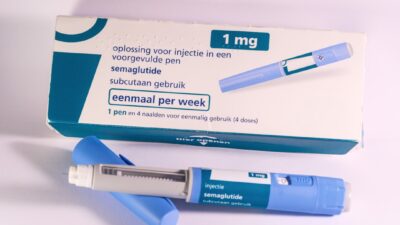
Tirzepatide is a once-weekly injectable that activates two incretin receptors: the glucose-dependent insulinotropic polypeptide receptor and the glucagon-like peptide-1 receptor. Activating both is called dual agonism. In large clinical trials, tirzepatide produced meaningful reductions in A1C and body weight compared with placebo and with some single-receptor GLP-1 agonists. The FDA has approved tirzepatide as Mounjaro for type 2 diabetes and as Zepbound for chronic weight management in adults who meet specific criteria. Connecting medication choices to your A1C levels is part of a thoughtful evaluation.
The Telehealth Model in Brief
Most direct-to-consumer tirzepatide programs work similarly. A user completes an online intake, submits a photo ID, and sometimes uploads recent weight and blood pressure data. A licensed clinician reviews the file, often with a short video visit, and if appropriate issues a prescription. A partner pharmacy ships the medication, sometimes monthly, sometimes as part of a subscription that bundles consults and messaging support. Programs like Mochi Health fit that general pattern, with differences in the depth of evaluation, the source of the medication, and the level of follow-up.
What Actually Ships: Branded Versus Compounded
This is the most important distinction to clarify with any program. Branded Mounjaro and Zepbound are manufactured by Eli Lilly under FDA oversight, with known identity, strength, and purity. Compounded tirzepatide is prepared by a licensed compounding pharmacy and is not FDA-approved. Compounding has a legitimate role for specific clinical needs, but the FDA has raised concerns about sterility, potency, and salt forms in compounded GLP-1 and GIP products. Before enrolling, ask in writing which product will arrive and whether it is FDA-approved.
Comparing Access Channels
| Channel | Product | Oversight | Typical Cost |
|---|---|---|---|
| Primary care clinician | Mounjaro or Zepbound | In-person evaluation, insurance pathway | Insurance plus copay |
| Telehealth with branded product | Mounjaro or Zepbound | Virtual evaluation, US pharmacy | Varies with coverage |
| Telehealth with compounded product | Compounded tirzepatide | Compounding pharmacy | Cash, often lower |
| Online unregulated seller | Unknown | None | Variable, high risk |
Who May Be a Candidate
Tirzepatide is generally considered for adults with type 2 diabetes who need additional glucose control and for adults with a BMI of 30 or higher, or 27 or higher with a weight-related condition, for chronic weight management. Contraindications include a personal or family history of medullary thyroid carcinoma or multiple endocrine neoplasia type 2. Pregnancy, active pancreatitis, severe gastroparesis, and certain eye conditions also warrant careful evaluation. A rigorous intake screens for all of these.
Benefits Reported in Trials and Practice
In the SURPASS trials for type 2 diabetes, tirzepatide produced meaningful average A1C reductions across multiple doses. In the SURMOUNT-1 trial for chronic weight management, participants on tirzepatide experienced substantial average weight loss compared with placebo, with response varying by dose and individual. Many users also report reductions in appetite and food-related thoughts. Benefits extend beyond the scale when combined with sustained nutrition and activity changes, discussed in our diet and nutrition section.
Side Effects and Safety Monitoring
Gastrointestinal side effects are the most common issue, especially during dose escalation. Nausea, vomiting, diarrhea, and constipation are typical and often improve over time. Less common but important concerns include pancreatitis, gallbladder disease, severe dehydration leading to kidney injury, and a boxed warning related to thyroid C-cell tumors seen in animal studies. Severe abdominal pain, persistent vomiting, or signs of dehydration warrant prompt clinician contact.
A well-run program discusses dose escalation, injection technique, hydration, and food strategies to ease nausea. It also establishes how to reach a clinician between visits if something goes wrong. Our broader treatment hub offers additional context.
Questions To Ask Before Enrolling
- Will I receive FDA-approved Mounjaro, FDA-approved Zepbound, or a compounded tirzepatide preparation?
- What is the license status and location of the dispensing pharmacy?
- Will there be a live video visit, and with what kind of clinician?
- What labs are required at baseline and during therapy?
- How are dose escalations handled, and who monitors side effects?
- What is the full monthly cost, including consultations and shipping?
- What happens if I need to pause or stop?
Cost and Coverage Realities
Branded tirzepatide has a high list price. Insurance sometimes covers Mounjaro for type 2 diabetes and, depending on the plan, Zepbound for weight management. Manufacturer savings programs can reduce out-of-pocket costs for eligible patients. Compounded products are usually cheaper but come with the regulatory and quality trade-offs discussed above. There is no free lunch in GLP-1 access; every option has a cost, whether financial, logistical, or clinical.
The Bottom Line
Mochi Tirzepatide is one visible example of the broader telehealth GLP-1 and GIP market. The quality of any such program depends on the depth of clinical evaluation, the source of the medication, and the rigor of follow-up. Tirzepatide itself is a well-studied medication when used as an FDA-approved product under clinician supervision. If you are considering enrollment anywhere, confirm exactly what you will receive and who will monitor your care, and keep your primary clinician in the loop so the full picture of your health is considered.
Medical disclaimer: This article is informational only and does not endorse any brand. Consult a licensed clinician before starting tirzepatide or any GLP-1 therapy.