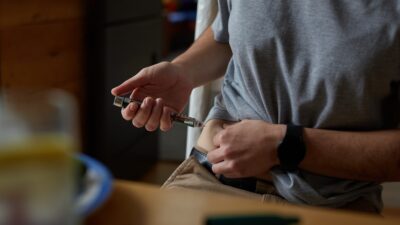
“Natural Mounjaro” is a marketing label, not a medical category. It usually refers to supplements like berberine, bitter melon, fenugreek, glucomannan and other fibers, chromium, and apple cider vinegar that are sold as alternatives to tirzepatide. None of them activate the GLP-1 or GIP receptors that drive Mounjaro’s effects, and none come close to the 21 percent body weight loss that tirzepatide produced in the SURMOUNT-1 trial. Some have modest, real effects on glucose; none replace the medication.
What Mounjaro Actually Does
Tirzepatide (Mounjaro for type 2 diabetes, Zepbound for chronic weight management) is a single molecule that activates both the GLP-1 and GIP receptors. It is given as a once-weekly subcutaneous injection. In the SURMOUNT-1 trial published in the New England Journal of Medicine, adults with obesity lost an average of 21 percent of body weight over 72 weeks at the highest dose. SURPASS trials in type 2 diabetes showed A1C reductions of 1.6 to 2.4 percent. The mechanism — reduced appetite, slowed gastric emptying, improved insulin secretion in response to glucose, and direct effects on the brain’s reward and satiety centers — is fundamentally different from anything in the supplement aisle.
The “Natural Mounjaro” Ingredients
Berberine — The Most Hyped
Berberine is a plant alkaloid found in goldenseal, Oregon grape, and barberry. It has the strongest evidence of any supplement marketed as a natural Mounjaro. Mechanism: berberine activates AMP-activated protein kinase (AMPK), the same pathway metformin acts on. Meta-analyses suggest A1C reductions of about 0.4 percent and modest improvements in lipids and weight (1 to 3 lb on average). Berberine is not a GLP-1 receptor agonist and does not slow gastric emptying or suppress appetite the way tirzepatide does. Side effects include GI upset and constipation; berberine inhibits CYP3A4 and can interact with statins, calcium channel blockers, anticoagulants, and metformin.
Bitter Melon
Bitter melon (Momordica charantia) contains compounds with insulin-mimetic activity in lab studies. Human trials are mixed, with some showing small A1C reductions of 0.2 to 0.3 percent and others showing no effect. It is generally well tolerated but can amplify the glucose-lowering effect of diabetes medications.
Fenugreek
Fenugreek seeds contain soluble fiber and amino acids that may slow carbohydrate absorption and modestly improve fasting glucose and post-meal glucose. Effect sizes in trials are small. Fenugreek is generally safe but can cause GI symptoms and a maple-syrup body odor at higher doses.
Glucomannan and Other Soluble Fibers
Glucomannan (from konjac root), psyllium, and other soluble fibers reduce post-meal glucose by slowing absorption and increasing satiety. They produce modest weight loss (2 to 5 lb in trials) when used consistently. They are inexpensive, well tolerated when introduced gradually with adequate fluid, and can be a useful adjunct. They do not approximate the appetite suppression of GLP-1 medications.
Chromium
Chromium picolinate has been studied extensively for glucose control. The evidence is mixed; meta-analyses suggest a small A1C effect in people with diabetes (around 0.5 percent in some studies) and minimal effect in people without diabetes. Safety is good at typical doses.
Apple Cider Vinegar (ACV)
ACV taken before a carbohydrate-rich meal can lower the post-meal glucose spike by 5 to 20 percent in small studies. The mechanism appears to involve slowed gastric emptying and reduced starch breakdown. Long-term effects on A1C and weight are minimal — most well-designed trials show changes under 2 lb. ACV can erode tooth enamel and irritate the esophagus; dilute it well.
Honest Side-by-Side Comparison
| Treatment | Average Weight Loss | Average A1C Reduction | Mechanism |
|---|---|---|---|
| Tirzepatide (Mounjaro/Zepbound) | ~21% body weight | 1.6 to 2.4% | GLP-1 + GIP receptor agonist |
| Semaglutide (Ozempic/Wegovy) | ~15% body weight | 1.5 to 2% | GLP-1 receptor agonist |
| Metformin | 4 to 7 lb | 1 to 1.5% | AMPK activation |
| Berberine | 1 to 3 lb | ~0.4% | AMPK activation |
| Glucomannan/soluble fiber | 2 to 5 lb | 0.2 to 0.5% | Slowed absorption, satiety |
| Bitter melon | Minimal | 0.2 to 0.3% | Insulin-mimetic compounds |
| Fenugreek | Minimal | 0.2 to 0.4% | Soluble fiber, amino acids |
| Chromium | Minimal | ~0.5% in some studies | Insulin signaling cofactor |
| Apple cider vinegar | Under 2 lb | Minimal long-term | Slowed starch breakdown |
Why the Marketing Is Misleading
Social media marketing for natural Mounjaro alternatives often:
- Cites cherry-picked single studies showing the largest effect
- Implies GLP-1-like mechanisms that the supplement does not have
- Compares against placebo rather than against the actual medication
- Promotes “stacks” (combinations of supplements) without evidence the combination outperforms components
- Avoids disclosing financial relationships with supplement brands
The reality is that even adding several modestly effective supplements together does not approximate a GLP-1 or GIP medication.
When Supplements Make Sense
Some of these compounds have legitimate roles. Soluble fiber is a useful addition to most diets and improves post-meal glucose and lipids. Berberine is a reasonable option for people with prediabetes who cannot or will not take metformin and who understand the limited effect size. Apple cider vinegar before high-carb meals is a low-risk experiment for some people. None of these is a Mounjaro substitute. They are adjuncts to a diet-and-exercise foundation, not replacements for prescription medications when those are clinically indicated.
What Actually Works for Significant Weight Loss
If significant weight loss is the goal, the realistic options are:
- Sustained lifestyle change — 5 to 10 percent body weight loss for most adults; harder to scale to 15 to 20 percent without surgery or medication
- FDA-approved anti-obesity medications — semaglutide (Wegovy), tirzepatide (Zepbound), liraglutide (Saxenda), naltrexone-bupropion (Contrave), phentermine-topiramate (Qsymia), orlistat
- Bariatric surgery — for eligible patients with severe obesity, the most durable and largest weight loss
For broader treatment context, see our treatment hub and the guide to reversing prediabetes. According to the ADA Standards of Care, supplements are not endorsed as a substitute for evidence-based pharmacotherapy in type 2 diabetes.
Safety and Quality Concerns
Supplements in the U.S. are not regulated as drugs. The FDA does not approve supplements for safety or efficacy before marketing. Independent testing (USP, NSF, ConsumerLab) often finds discrepancies between label claims and actual content. Drug interactions are real: berberine, fenugreek, and bitter melon all interact with diabetes medications and can cause hypoglycemia in people on insulin or sulfonylureas. Always tell your prescriber and pharmacist what supplements you take.
The Bottom Line
“Natural Mounjaro” is a marketing concept, not a clinical reality. Berberine has the most evidence of any candidate ingredient, and it lowers A1C by about 0.4 percent — useful but nowhere near tirzepatide’s effect. If a GLP-1 or GIP medication is what you actually need, supplements will not substitute. If lifestyle change plus a modest pharmacologic boost is enough, metformin and selected supplements may be a reasonable combination. The honest answer to “what is the natural alternative to Mounjaro” is: there isn’t one — and being clear-eyed about that helps you make better decisions.
Medical disclaimer: This article is for informational purposes only and does not constitute medical advice. Always consult a qualified healthcare professional before starting, stopping, or changing any medication or treatment plan.