Stalled weight loss on Zepbound (tirzepatide) is one of the most common frustrations people report after the first few months of therapy. The good news is that most plateaus have identifiable causes — sub-therapeutic dose during titration, the natural slow-down around the 5- to 6-month mark, hidden calorie creep, alcohol, muscle loss without resistance training, poor sleep, or untreated conditions like PCOS and hypothyroidism. Here’s how to think through it before assuming the medication has stopped working.
Reason 1: You Are Still on a Titration Dose
Zepbound is dosed at 2.5 mg weekly for the first month, then escalated by 2.5 mg every 4 weeks as tolerated, up to a maximum of 15 mg. The 2.5 mg starting dose is designed for tolerability, not maximum weight loss. SURMOUNT-1 trial data show that 5 mg, 10 mg, and 15 mg doses produce progressively larger weight loss, with average losses of about 15, 19, and 21 percent of body weight at 72 weeks.
If you have been at 2.5 mg or 5 mg for several months and the scale is barely moving, the most likely fix is dose escalation. This is a conversation to have with your prescriber, not a self-adjustment.
Reason 2: You Have Hit the Plateau Phase
Almost everyone on a GLP-1 or dual-agonist medication experiences a weight loss plateau, often around weeks 20-24 of consistent use. The body adapts metabolically — resting metabolic rate falls, hunger hormones partially recalibrate, and food intake creeps back up. This plateau is usually not the end of weight loss; it is a stair-step pattern.
If you are at a maximum-tolerated dose and have plateaued for 4-8 weeks, the next steps are usually to tighten food tracking, add resistance training, and reassess sleep — not to change the medication.
Reason 3: Hidden Calorie Creep
GLP-1 medications work largely by reducing hunger and slowing gastric emptying. People typically eat substantially less in the first 3-6 months. As tolerance to side effects builds, appetite often partially returns, and small additions add up:
- Larger portion sizes that “feel small.”
- Liquid calories — coffee drinks, smoothies, juices, sweet teas.
- Snacks that aren’t logged because they feel insignificant.
- Restaurant meals where actual calorie content far exceeds estimate.
- “Healthy” foods (nuts, avocado, olive oil) consumed in calorie-dense quantities.
A 2-week food log — every bite, every drink — often reveals 300-600 hidden daily calories. Weighing food rather than estimating is the single most accurate fix.
Reason 4: Alcohol
Alcohol is calorie-dense (7 calories per gram), suppresses fat oxidation while it is metabolized, and tends to dampen the appetite-suppression benefit of GLP-1 medications. Three glasses of wine is roughly 360-450 calories on top of any meal. People who cut alcohol entirely or down to 1-2 drinks per week often see the scale move within 2-3 weeks.
Reason 5: Muscle Loss Without Resistance Training
Rapid weight loss on any medication includes some lean muscle loss, which lowers resting metabolic rate and can hide fat loss on the scale. Studies suggest 20-40 percent of weight lost on GLP-1 therapy can be lean mass without intentional resistance training and adequate protein.
The fix is straightforward but requires consistency:
- Two to three sessions of full-body resistance training per week.
- Roughly 1.2-1.6 grams of protein per kilogram of body weight per day.
- Adequate hydration and sleep to support muscle recovery.
Reason 6: Sleep, Stress, and Cortisol
Less than 6-7 hours of sleep raises ghrelin (hunger), lowers leptin (satiety), and elevates cortisol — all of which favor weight gain or stall. Chronic psychological stress has similar effects. People troubleshooting a Zepbound plateau should look honestly at sleep duration and quality, work stress, and emotional eating patterns.
Reason 7: Untreated Medical Conditions
Several conditions can blunt weight loss response:
- Hypothyroidism — undiagnosed or under-treated thyroid disease lowers metabolic rate.
- PCOS — insulin resistance and hormonal patterns make weight loss harder.
- Cushing syndrome — rare, but elevated cortisol drives stubborn central weight.
- Sleep apnea — disrupted sleep and metabolic dysregulation.
- Medication side effects — antidepressants, beta-blockers, and steroids can promote weight gain.
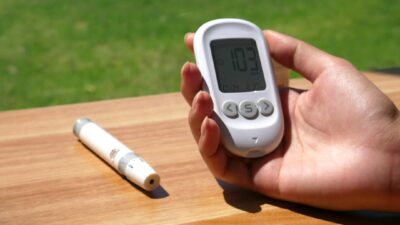
Annual labs including TSH, fasting glucose, A1C, and lipid panel are reasonable for anyone on long-term weight management therapy.
When the Scale Lies: Body Composition Change
The number on the scale does not capture body composition. People who add resistance training while on Zepbound often see the scale stall while waist circumference shrinks, clothes fit looser, and visible muscle definition increases. Track:
- Waist measurement at the navel weekly.
- Progress photos in the same lighting and clothing monthly.
- Strength gains in key lifts.
- How clothes fit, especially around the waist and hips.
When to Talk to Your Prescriber
Schedule a check-in if you have:
- Been at the maximum tolerated dose for 8-12 weeks with no measurable progress despite adherence.
- Lost less than 5 percent of body weight after 12 weeks at a therapeutic dose.
- Symptoms of a medical issue (fatigue, mood changes, irregular periods, cold intolerance).
- Difficulty tolerating the current dose.
The FDA label discontinues treatment in adults who have not lost at least 5 percent of body weight after a reasonable trial at a therapeutic dose. For people with diabetes or prediabetes, A1C improvements may justify continuing even when scale loss is modest. See our treatment hub for context on how weight loss interacts with prediabetes outcomes, and track A1C progress at our A1C levels guide.
The Bottom Line
Stalled Zepbound weight loss is rarely due to the medication suddenly failing. The most common culprits are titration dose, plateau biology, calorie creep, alcohol, lost muscle, sleep deficit, and untreated medical conditions. Audit your routine honestly, add resistance training and protein, measure body composition not just weight, and bring the data to your prescriber if a true plateau lasts more than 8-12 weeks at a therapeutic dose.