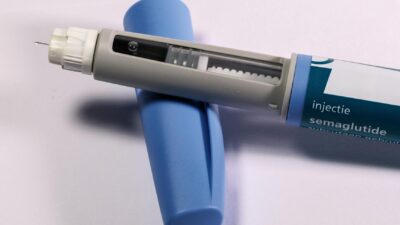
Oral semaglutide weight loss refers to the modest weight reduction many people experience on Rybelsus, the daily tablet form of semaglutide. The FDA approves Rybelsus only for type 2 diabetes, not for chronic weight management. Higher-dose oral semaglutide is being studied specifically for obesity, but as of 2026 is not approved.
What the Research Shows
Rybelsus was studied in the PIONEER clinical trial program in adults with type 2 diabetes. Across trials, the 14 mg daily dose lowered A1C by roughly 1.0 to 1.4 percent and reduced body weight by about 4 to 9 pounds over 26 to 52 weeks, on top of usual care. Some participants lost more, and some lost little to nothing. These studies were not designed as pure weight-loss trials, but weight change was a pre-specified secondary outcome.
The bigger weight-loss numbers come from the separate OASIS-1 trial, which tested a much higher 50 mg daily dose of oral semaglutide in adults with obesity but without diabetes. Participants lost an average of around 15 percent of body weight over 68 weeks. Novo Nordisk has filed for approval of a higher-dose oral semaglutide specifically for obesity, but as of 2026 it is not yet on the market.
Why the Fasting Rules Matter
Rybelsus only works if it absorbs. The FDA label requires you to take the tablet on an empty stomach with no more than 4 ounces of plain water, then wait at least 30 minutes before eating, drinking anything else, or taking other oral medications.
Breaking these rules dramatically reduces absorption. Inconsistent intake can produce inconsistent weight and glucose results, which is one reason injectable GLP-1 products sometimes outperform oral forms in real-world settings.
Oral vs. Injectable Semaglutide for Weight
| Feature | Oral Rybelsus (14 mg) | Injectable Wegovy (2.4 mg weekly) |
|---|---|---|
| FDA-approved use | Type 2 diabetes only | Chronic weight management |
| Typical weight loss | 4 to 9 lb in diabetes trials | ~15% of body weight in obesity trials |
| Dosing | Daily tablet, empty stomach | Weekly injection |
| Common side effects | Nausea, diarrhea, abdominal pain | Nausea, vomiting, diarrhea, constipation |
| Off-label weight use | Sometimes prescribed | Not needed; weight is the approved use |
Side Effects and Safety
The most common side effects of oral semaglutide are gastrointestinal: nausea, diarrhea, vomiting, abdominal pain, and constipation. Most are worst during the first weeks and during dose escalation, then ease. Severe vomiting or diarrhea can cause dehydration, which can in turn strain the kidneys.
Serious but less common risks include pancreatitis, gallbladder disease, and diabetic retinopathy complications in people with pre-existing eye disease. Rybelsus carries a boxed warning for thyroid C-cell tumors observed in rodents. It is contraindicated for anyone with a personal or family history of medullary thyroid carcinoma or multiple endocrine neoplasia syndrome type 2, and should not be used during pregnancy.
Where This Fits for Prediabetes
If your A1C level is in the prediabetes range, oral semaglutide is not a first-line option. The Diabetes Prevention Program trial, funded by NIH, showed that lifestyle change cut progression to type 2 diabetes by 58 percent in adults with prediabetes, outperforming metformin.
That is why standard guidance still emphasizes diet and nutrition and activity as the first steps. Prescription GLP-1 medications may enter the conversation later, but only a clinician can determine whether they are appropriate in your case.
What Happens If You Stop
Most research on GLP-1 drugs, including the well-studied STEP 1 trial of injectable semaglutide, shows significant weight regain within about a year of stopping treatment. Similar patterns are expected with oral semaglutide. That reality shapes how clinicians and patients plan for the long term: weight-loss medications are generally considered chronic therapies, not short courses, and sustainable change still requires ongoing lifestyle work.
The Bottom Line
Oral semaglutide produces modest weight loss in people with type 2 diabetes, and may produce larger weight loss at higher investigational doses. It is FDA-approved only for diabetes, and its effect depends on strict fasting rules. Injectable Wegovy remains the FDA-approved semaglutide product for chronic weight management. Any decision about using oral semaglutide for weight should happen with a licensed clinician who understands your full medical picture.
Medical disclaimer: This article is for educational purposes only and does not replace medical advice. Always consult a qualified healthcare provider before starting, stopping, or changing any medication.