“Ozempic face” is a colloquial term for the gaunt, aged, hollow-eyed appearance that can develop with rapid weight loss on semaglutide (Ozempic, Wegovy) or other GLP-1 medications. The mechanism is loss of facial fat that normally maintains youthful contours. The phenomenon isn’t specific to GLP-1 medications — any rapid weight loss produces similar changes; bariatric surgery patients experience similar appearance shifts. The term emerged as GLP-1 medications became widely used for weight loss and prominent figures showed noticeable facial changes. For adults losing weight on GLP-1 medications, some facial fat loss is unavoidable with substantial overall weight loss. Strategies to reduce severity include slower weight loss pace (1-2 lb/week vs 3-4 lb/week), adequate protein intake, and resistance training. Treatment options for adults bothered by the appearance include dermal fillers, Sculptra, fat grafting, and skin-tightening procedures.
What Ozempic Face Looks Like
- Hollow cheeks and temples.
- More prominent cheekbones (less padding).
- Deepened nasolabial folds (lines from nose to mouth corners).
- Visible jowls or sagging lower face.
- Tear trough deepening (hollow under eyes).
- Skin looseness.
- Overall aged appearance.
- Sometimes described as “gaunt” or “thin face.”
Why It Happens
| Factor | Contribution |
|---|---|
| Facial fat loss | Same fat loss occurring everywhere in body |
| Rapid weight loss | Skin doesn’t have time to adapt to new contours |
| Substantial total weight loss | 50+ lb produces more pronounced changes |
| Age | Older adults have less skin elasticity |
| Smoking history | Reduced collagen contributes |
| Sun damage | Reduced skin elasticity |
| Underlying low body fat | Less remaining facial fat reserve |
Prevention Strategies
- Slower weight loss: 1-2 lb per week vs 3-4 lb per week.
- Adequate protein: 1.2-1.6 g/kg body weight daily.
- Resistance training: 2-3 times weekly; preserves muscle mass.
- Avoid extreme calorie restriction: at least 1,200 cal/day for women, 1,500 for men.
- Hydration: adequate water supports skin health.
- Adequate sleep: supports tissue regeneration.
- Sun protection: SPF 30+ daily preserves skin elasticity.
- Don’t smoke: smoking accelerates facial aging.
- Topical retinoids: support collagen production over time.
Cosmetic Treatment Options
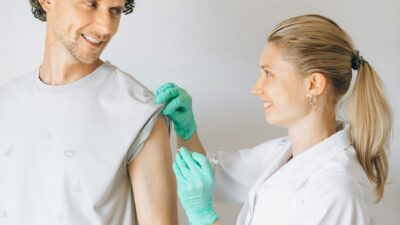
- Hyaluronic acid fillers (Restylane, Juvederm): restore volume to specific areas; results last 6-18 months; $600-1,200 per syringe; multiple syringes often needed.
- Sculptra (poly-L-lactic acid): stimulates collagen production gradually over months; results last 2 years; $800-1,500 per session; typically 2-3 sessions.
- Fat grafting (autologous fat transfer): surgical procedure transferring fat from elsewhere (abdomen, thighs); permanent results; $3,000-7,000.
- Radiesse (calcium hydroxylapatite): biostimulator; lasts 1-2 years.
- Bellafill (PMMA): long-lasting filler; lasts 5+ years.
- Skin tightening procedures: Ultherapy (focused ultrasound), Thermage (radiofrequency); tighten loose skin.
- Laser resurfacing: improves skin quality and elasticity.
The Bottom Line
“Ozempic face” describes the gaunt, aged appearance that can develop with rapid weight loss on semaglutide (Ozempic, Wegovy) or other GLP-1 medications. The cause is loss of facial fat occurring as part of overall weight loss — not specific to GLP-1 medications. Substantial weight loss (50+ lb) and rapid weight loss pace (3-4 lb/week) increase severity. Prevention strategies include slower weight loss pace (1-2 lb/week), adequate protein intake (1.2-1.6 g/kg body weight daily), resistance training 2-3 times weekly to preserve muscle, adequate hydration and sleep, sun protection, and avoiding smoking. The trade-off for slower weight loss is preserved facial appearance — many adults prefer this approach. Treatment options include dermal fillers (Restylane, Juvederm — 6-18 month results), Sculptra (collagen-stimulating, 2-year results), fat grafting (surgical, permanent), and skin tightening procedures (Ultherapy, Thermage). Some facial fat partially redistributes over 6-12 months after weight stabilizes. For adults bothered by appearance, cosmetic dermatology consultation provides individualized recommendations. The cost of treatment varies substantially ($600 for single filler syringe to $5,000+ for fat grafting). For adults using GLP-1 medications for diabetes management primarily, the weight loss benefit usually outweighs appearance concerns; for cosmetic-primary weight loss, slower pacing reduces facial impact. See our broader GLP-1 medications guide for context.