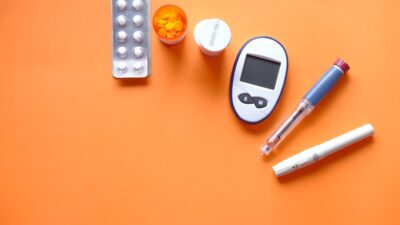
Pregnancy with type 2 diabetes is increasingly common — about 10 percent of pregnancies complicated by diabetes are now type 2, and the proportion is rising. Management starts with pre-pregnancy A1C below 6.5 percent, folate supplementation, and switching most oral medications to insulin (metformin sometimes continued based on MiTy trial evidence). Glucose targets match those for type 1 diabetes pregnancy — fasting under 95 mg/dL, 1-hour post-meal under 140 mg/dL, time in range above 70 percent on CGM. With planned, well-controlled pregnancy, outcomes for T2D mothers and babies approach those of women without diabetes.
Why T2D Pregnancy Is on the Rise
- Rising obesity rates in reproductive-aged women
- Earlier-onset type 2 diabetes — increasingly diagnosed in teens and 20s
- Older maternal age at first pregnancy
- Higher rates of polycystic ovary syndrome and metabolic syndrome
- Better recognition of T2D in women of childbearing age
About 10 percent of all diabetes-affected pregnancies are T2D — a number that has roughly doubled over the past two decades. The trend is most pronounced in women under 35, where it would once have been rare.
Preconception Planning
| Step | Detail |
|---|---|
| A1C target | <6.5% before conception |
| Medication review | Switch most orals to insulin; keep metformin in selected cases |
| Stop these | ACE/ARB, statins, SGLT2, GLP-1, DPP-4, sulfonylureas, TZDs |
| Continue or start | Insulin, metformin (case-by-case) |
| Folate | 400–1000 mcg daily; consider higher dose with obesity or prior NTD |
| Blood pressure | Switch to pregnancy-safe agent (labetalol, nifedipine, methyldopa) |
| Complications screen | Eyes, kidneys, thyroid, cardiac if longer duration |
| Weight | Optimize before pregnancy when feasible |
| Sleep apnea | Screen and treat — common in T2D, worse in pregnancy |
| Vaccinations | Rubella, varicella, hepatitis B, flu, Tdap status current |
| Contraception | Reliable method until ready |
For more on this phase, see our article on preconception diabetes care.
Medication Switches
Medications to Stop Before Conception
- ACE inhibitors (lisinopril, enalapril): Fetal renal damage, oligohydramnios — stop before conception
- ARBs (losartan, valsartan): Same risks as ACE inhibitors
- Statins: Theoretical concerns about cholesterol synthesis in fetal development — stop before conception
- SGLT2 inhibitors (empagliflozin, dapagliflozin): Animal data raises concerns; insufficient human data
- GLP-1 receptor agonists (semaglutide, tirzepatide, liraglutide): Animal toxicity, insufficient human safety data; long half-life means stopping 1 to 2 months before trying to conceive (longer for tirzepatide)
- DPP-4 inhibitors (sitagliptin, linagliptin): Limited safety data
- Sulfonylureas (glipizide, glimepiride): Cross placenta; glyburide associated with maternal hypoglycemia and neonatal complications
- Thiazolidinediones (pioglitazone): Not recommended
- Meglitinides (repaglinide): Limited data
Medications That Continue
- Insulin: The foundation of T2D pregnancy management. All commonly used analogs (aspart, lispro, detemir, glargine, NPH) are considered acceptable. Glargine and lispro are most extensively studied.
- Metformin: Continued in selected women — see MiTy trial below
The MiTy Trial: Metformin in T2D Pregnancy
The MiTy trial (Feig 2020, Lancet Diabetes & Endocrinology) randomized over 500 women with T2D in pregnancy to metformin or placebo added to insulin. Key findings:
- Less maternal weight gain in metformin group
- Lower total insulin doses
- Fewer large-for-gestational-age babies
- Lower cesarean delivery rates
- Reduced gestational hypertension
- However: more small-for-gestational-age babies in metformin group
- No difference in composite primary outcome (death, NICU admission, birth trauma)
The clinical implication: metformin alongside insulin can be useful in T2D pregnancy, particularly in higher-BMI women or those needing very high insulin doses, but the SGA signal warrants caution. Many specialists now use combination therapy; some prefer insulin alone. Decision is individualized.
Glucose Targets in T2D Pregnancy
- Fasting/pre-meal: 70 to 95 mg/dL
- 1-hour post-meal: <140 mg/dL
- 2-hour post-meal: <120 mg/dL
- A1C: <6.0 to 6.5%, individualized
- Time in range (63 to 140 mg/dL): >70% — increasingly emphasized
- Time below 63 mg/dL: <4%
- Hypoglycemia is generally less common than in T1D pregnancy but still possible, particularly with intensive insulin and metformin
How Insulin Needs Change
- First trimester: relatively stable or modest decline
- Second trimester: gradual rise begins around 16 to 18 weeks
- Third trimester: significant rise; insulin doses often double or triple from baseline
- Many women with T2D start at higher insulin requirements than T1D women (insulin resistance baseline) and end at very high doses (sometimes 200+ units/day)
- U-500 insulin is occasionally used for very high doses
- Postpartum: rapid drop, often back to pre-pregnancy regimen or less
Risks in T2D Pregnancy
| Risk | Detail |
|---|---|
| Congenital anomalies | Higher than non-diabetic pregnancies; correlates with first-trimester A1C |
| Miscarriage | Higher with elevated A1C |
| Preeclampsia | 2 to 4 times more common; aspirin prophylaxis often used |
| Gestational hypertension | Common, especially with pre-existing hypertension |
| Macrosomia / LGA | Driven by maternal hyperglycemia → fetal hyperinsulinemia |
| Cesarean delivery | Higher rates than non-diabetic pregnancies |
| Stillbirth | Slightly elevated risk, especially with poor control near term |
| Preterm delivery | Both spontaneous and indicated |
| Neonatal hypoglycemia | Common; monitored after birth |
| Neonatal respiratory distress, jaundice, polycythemia | More common |
Aspirin for Preeclampsia Prevention
Low-dose aspirin (81 to 162 mg) starting at 12 to 16 weeks is recommended by ACOG for women at high risk of preeclampsia, which includes most women with pre-existing diabetes. Continue until 36 weeks or delivery. This is a low-cost, high-yield intervention.
CGM in T2D Pregnancy
CGM evidence in T2D pregnancy is less robust than in T1D (where CONCEPTT showed clear benefit), but use is increasing. Benefits seen in observational studies and trials:
- Time-in-range data more informative than A1C
- Pattern recognition for postprandial spikes
- Helps guide insulin dose adjustments
- Many women find CGM less burdensome than 7-times-daily fingersticks
- Pregnancy-specific accuracy is generally maintained for Dexcom G6/G7 and Freestyle Libre 2/3
Nutrition in T2D Pregnancy
- Consistent carbohydrate amount and timing per meal — facilitates accurate insulin dosing
- About 175 g carb minimum per day (not ketogenic)
- Protein at least 1.1 g/kg
- Mediterranean or DASH framework
- Adequate calories — typically 30 kcal/kg ideal body weight in second and third trimester (less if very obese; consult dietitian)
- Limit added sugars and refined grains
- Prenatal vitamin with adequate folate
- Iron, calcium, vitamin D, DHA
- Avoid alcohol
- See related guidance on diet and nutrition
Weight Gain Targets
The Institute of Medicine guidelines apply, with closer attention in T2D given obesity prevalence:
- Normal BMI (18.5 to 24.9): 25 to 35 pounds total
- Overweight (25 to 29.9): 15 to 25 pounds total
- Class I obesity (30 to 34.9): 11 to 20 pounds total
- Class II/III obesity (≥35): 11 to 20 pounds — some specialists support less in very high BMI
- Twin pregnancies: more weight gain typically allowed
Monitoring Through Pregnancy
- Endocrinology visits every 2 to 4 weeks, more often near term
- MFM/OB visits per protocol
- Dilated eye exam each trimester if retinopathy exists; otherwise once
- UACR, creatinine each trimester
- Early dating ultrasound
- Anatomy scan at 18 to 22 weeks
- Fetal echocardiogram at 22 weeks
- Growth ultrasounds in third trimester
- Non-stress tests, biophysical profiles starting at 32 weeks (earlier with complications)
Delivery Planning
- Most women with T2D deliver at 37 to 40 weeks
- Earlier delivery for poor control, preeclampsia, growth concerns, vascular disease
- Vaginal delivery preferred; cesarean for obstetric indications including suspected macrosomia (≥4500 g threshold)
- Intrapartum glucose targets 70 to 110 mg/dL
- IV insulin and dextrose protocols common during labor
- Insulin needs drop sharply after placenta delivery
Postpartum and Long-Term
- Insulin requirements drop immediately postpartum — often to pre-pregnancy needs or below
- Breastfeeding women often need 10 to 20 percent less insulin
- Metformin is generally compatible with breastfeeding — see metformin while breastfeeding
- Most other oral agents not recommended during breastfeeding
- Postpartum mental health screening
- Contraception discussion before discharge
- Long-term diabetes management plan — see postpartum diabetes care
- Future pregnancies: same planning needed; intervals to optimize health
Mental Health Considerations
- T2D pregnancy is associated with higher rates of anxiety and depression
- The dual burden of pregnancy and diabetes can produce diabetes distress
- Screen with PHQ-9 in each trimester and postpartum
- Therapy, peer support, and SSRIs (sertraline most-studied in pregnancy) when needed
- Diabetes educator and registered dietitian support reduces burden
When to Seek Specialist Input
- Planning pregnancy — engage 3 to 6 months before trying
- Pregnancy confirmed — notify endocrinology and OB immediately
- A1C not at target — work on plan; reliable contraception meanwhile
- Symptoms suggesting preeclampsia (headache, vision changes, swelling, RUQ pain)
- Decreased fetal movement
- Glucose patterns changing rapidly
- Concerns about medications
- Mental health changes
See companion articles on pregnancy with type 1 diabetes and insulin during pregnancy.
The Bottom Line
Pregnancy with type 2 diabetes is increasingly common and can have excellent outcomes when planned. Pre-pregnancy A1C below 6.5 percent, folate supplementation, switching most oral medications to insulin, and stopping ACE/ARB/statins/SGLT2/GLP-1 agents before conception are the foundation. Metformin can sometimes continue based on MiTy trial evidence, especially in higher-BMI women or those needing very high insulin doses — but the small-for-gestational-age signal means use is individualized. Glucose targets match T1D pregnancy: fasting under 95 mg/dL, 1-hour post-meal under 140 mg/dL, time in range above 70 percent. CGM use is growing. Risks include preeclampsia (aspirin prophylaxis is routine), macrosomia, cesarean delivery, and neonatal hypoglycemia. Multidisciplinary care from preconception through postpartum produces the best outcomes. Talk to your endocrinologist and a maternal-fetal medicine specialist before conception — not after — to optimize your A1C and medication regimen safely.