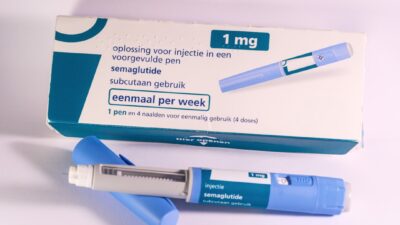
When people search for semaglutide before and after, they usually want to know how much changes and how fast. Clinical trials give the clearest answer: average body-weight loss of 12 to 15 percent, A1C reductions of 1.5 to 1.8 percentage points at the highest approved doses, and improvements in blood pressure, lipids, and cardiovascular risk markers over 26 to 68 weeks. Individual results vary widely.
What Changes Semaglutide Actually Produces
Semaglutide is a GLP-1 receptor agonist that mimics a gut hormone to lower blood sugar and reduce appetite. It is the active ingredient in Ozempic (type 2 diabetes), Wegovy (chronic weight management), and Rybelsus (oral type 2 diabetes). The “after” picture is shaped by which product, which dose, and which baseline condition you started with. See our prediabetes treatment overview for broader context on where these drugs fit.
Average Results from Landmark Trials
The table below summarizes average changes from peer-reviewed trials published in the New England Journal of Medicine and Diabetes Care. Individual outcomes sit on a wide curve around these averages.
| Trial | Dose | Duration | Key Change |
|---|---|---|---|
| STEP 1 (Wegovy, obesity) | 2.4 mg weekly | 68 weeks | -14.9% body weight |
| STEP 2 (Wegovy, T2D) | 2.4 mg weekly | 68 weeks | -9.6% body weight |
| SUSTAIN 7 (Ozempic, T2D) | 1 mg weekly | 40 weeks | A1C -1.8 points |
| PIONEER 3 (Rybelsus, T2D) | 14 mg daily | 52 weeks | A1C -1.3 points |
| SELECT (Wegovy, CVD) | 2.4 mg weekly | ~40 months | -20% MACE risk |
Beyond the Scale: Metabolic Changes
Weight is the most visible “before and after” metric, but clinicians track many others. Semaglutide tends to reduce systolic blood pressure by 4 to 7 mm Hg, lower fasting glucose by 20 to 40 mg/dL, improve triglycerides by 15 to 30 percent, and shrink waist circumference by several centimeters in trial averages. Many participants with baseline prediabetes see A1C drop back into the normal range, aligning with questions about whether prediabetes is reversible.
Timeline: When Changes Typically Appear
- Week 1 to 2: Reduced appetite, smaller portions, occasional nausea
- Week 4 to 8: Early scale change (1 to 3 percent), mood and habit shifts
- Week 8 to 16: Titration complete, weight loss accelerates
- Week 16 to 40: Steady progress, improved labs, possible medication deprescribing
- Week 40 to 68: Plateau near personal maximum, focus shifts to maintenance
Side Effects to Consider Alongside Benefits
Any realistic “before and after” includes side effects, not just wins on the scale.
- Common: nausea, diarrhea, constipation, vomiting, fatigue
- Less common: gallstones, gallbladder inflammation, hair thinning
- Serious: pancreatitis, acute kidney injury, diabetic retinopathy complications
- Boxed warning: thyroid C-cell tumors observed in rodents; contraindicated with medullary thyroid cancer or MEN 2
According to the FDA Wegovy approval, routine monitoring during titration is recommended to catch severe volume depletion early.
Why Photos Are a Weak Benchmark
Online before-and-after images are not peer-reviewed. They often show the strongest responders, omit mid-treatment regain, ignore side-effect drop-outs, and may combine medication with intense exercise or caloric restriction. Use trial averages and your own lab work as benchmarks. Pair the drug with evidence-based changes from our diet and nutrition guide to get more durable results.
Factors That Shape Your Personal Before and After
- Baseline BMI and body composition
- Age, sex, and hormonal status (menopause, thyroid health)
- Genetics, including variants that affect GLP-1 signaling
- Dietary pattern and protein intake during treatment
- Physical activity and resistance training frequency
- Sleep quality and screening for sleep apnea
- Medications that promote weight gain (certain antipsychotics, steroids)
- Stress and mental health support
What Happens If You Stop
The STEP 4 extension trial randomized participants already on Wegovy to either continue the drug or switch to placebo. Over the following year, the placebo group regained roughly two-thirds of their lost weight, while the continued-treatment group maintained and added to their losses. The takeaway is simple: obesity behaves like a chronic condition, and stopping any treatment, including semaglutide, typically triggers partial regain. Plan for long-term maintenance, not a short course.
Setting Realistic Personal Targets
A reasonable early goal is a 5 to 10 percent reduction in body weight over the first six months, which already improves blood pressure, glucose, and lipids for most people. For those wanting more, continued titration and sustained lifestyle change can deliver 15 percent or more. Focus on non-scale wins too: better sleep, fewer joint aches, lower resting heart rate, and improved energy.
The Bottom Line
Semaglutide before-and-after results are real, but they are also averages with wide individual variation. Expect meaningful weight, A1C, blood pressure, and lipid improvements over 6 to 16 months at the higher approved doses, along with some side effects. Stopping the drug usually undoes part of the benefit, so long-term planning matters. Your clinician is the right person to set goals, monitor labs, and decide when or whether to stop. This article is educational and is not a substitute for professional medical advice.