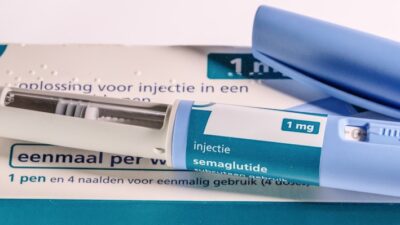
A tirzepatide compounding pharmacy is a state-licensed pharmacy that prepares custom versions of tirzepatide, the dual GIP/GLP-1 receptor agonist sold by Eli Lilly as Mounjaro and Zepbound. Compounded tirzepatide is not FDA-approved, and the regulatory landscape changed sharply after the FDA declared the tirzepatide shortage resolved in 2024.
What a Compounding Pharmacy Actually Does
Compounding pharmacies mix, alter, or combine ingredients to create a medication tailored to a specific patient. They fall into two federal categories: 503A traditional compounders, which dispense patient-specific prescriptions, and 503B outsourcing facilities, which manufacture larger batches for clinic use under stricter quality standards.
During the 2022-2024 tirzepatide shortage, U.S. law allowed both types of pharmacies to produce copies of the drug. Telehealth platforms and med spas partnered with compounders to ship affordable injectable pens to patients who could not access brand-name supply. That legal pathway narrowed sharply when the FDA announced the shortage was resolved.
FDA Approval Status: The Critical Distinction
Only Mounjaro (for type 2 diabetes) and Zepbound (for obesity and obstructive sleep apnea) are FDA-approved tirzepatide products. Every compounded version, no matter how professional the packaging, is an unapproved drug. The FDA does not review compounded formulations for safety, effectiveness, or manufacturing quality before they reach patients.
The agency has received hundreds of adverse-event reports tied to compounded GLP-1 medications, including dosing errors from unfamiliar concentrations and cases of hospitalization. The FDA specifically cautioned that some compounded products use salt forms of tirzepatide (tirzepatide sodium, tirzepatide acetate) that are not the active ingredient in the approved drug.
Potential Benefits People Cite
Patients turn to compounding pharmacies for three main reasons: cost, access, and customization. A compounded vial can cost a fraction of a brand pen, though that savings disappears if your insurance covers Mounjaro or Zepbound. Compounders also sometimes offer custom dose strengths that bridge the FDA-approved titration steps, which some prescribers find useful for patients who are dose-sensitive.
Safety Concerns You Should Know
Independent testing has flagged compounded GLP-1 products for inconsistent potency, bacterial contamination, and mislabeled concentrations. Because the active ingredient is not sourced through FDA-inspected supply chains, impurities are harder to detect. Storage instructions and stability data are often less robust than for brand-name pens.
Side effects of tirzepatide itself, whether brand or compounded, commonly include nausea, vomiting, diarrhea, constipation, and decreased appetite. More serious risks include pancreatitis, gallbladder disease, kidney injury from dehydration, and a boxed warning for thyroid C-cell tumors based on rodent studies. If you already have a history of medullary thyroid cancer or MEN2, tirzepatide is contraindicated.
Brand vs. Compounded Tirzepatide
| Feature | Mounjaro / Zepbound | Compounded Tirzepatide |
|---|---|---|
| FDA approval | Yes | No |
| Manufacturer | Eli Lilly | 503A or 503B pharmacy |
| Purity testing | FDA-inspected | Varies by pharmacy |
| Device | Pre-filled auto-injector pen | Usually vial and syringe |
| Dose strengths | 2.5, 5, 7.5, 10, 12.5, 15 mg | Variable, often custom |
| Insurance coverage | Often covered for indication | Rarely covered |
| Legal status (2025) | Fully legal | Restricted after shortage resolution |
Who Should Not Use Any Form of Tirzepatide
Tirzepatide is not appropriate for people with a personal or family history of medullary thyroid carcinoma, multiple endocrine neoplasia type 2, or severe gastrointestinal disease such as gastroparesis. Pregnancy, planning pregnancy, or breastfeeding are also reasons to avoid the drug. Anyone with pancreatitis history should weigh the risks carefully with their endocrinologist.
How Tirzepatide Fits Into Prediabetes Care
Tirzepatide is not FDA-approved specifically for prediabetes, but trials show it produces meaningful weight loss and A1C reduction in people with obesity and insulin resistance. For anyone exploring pharmacologic options, lifestyle change remains the foundation. Review our prediabetes treatment hub and our guide to reversing prediabetes before considering any injectable. Understanding your A1C level is the starting point for any treatment conversation.
Questions to Ask Before Using a Compounding Pharmacy
- Is this pharmacy licensed in my state, and is it registered with the FDA as a 503A or 503B facility?
- What is the source of the active pharmaceutical ingredient, and is it USP grade?
- Do you provide a certificate of analysis for each batch?
- Is the formulation tirzepatide base, or a salt form not found in the FDA-approved product?
- Who is the prescribing clinician, and can I speak with them directly about side effects?
The Bottom Line
A tirzepatide compounding pharmacy may offer lower prices or custom doses, but compounded products are not FDA-approved and carry real quality and safety uncertainties. With the tirzepatide shortage resolved, most large-scale compounding is no longer permitted under federal law. If you are considering tirzepatide for prediabetes, type 2 diabetes, or weight management, talk to a licensed clinician about FDA-approved Mounjaro or Zepbound first, and only consider compounded alternatives when a qualified prescriber recommends them.
Medical disclaimer: This article is for educational purposes only and is not a substitute for personalized medical advice. Always consult a licensed healthcare provider before starting or stopping any medication.