How to reverse insulin resistance comes down to four consistent levers: reducing visceral fat, moving regularly, eating fewer refined carbs and ultra-processed foods, and protecting sleep. Short-term improvements can show up within 1-2 weeks, but full reversal usually takes three to six months of steady change. This guide walks through the evidence-based timeline and the factors that make or break it.
What Insulin Resistance Actually Is
Insulin resistance means your muscle, liver, and fat cells respond less to insulin. The pancreas compensates by secreting more, keeping blood sugar normal at first. Over time, that compensation fails, fasting glucose rises, and prediabetes or type 2 diabetes can develop. It is the central defect in metabolic syndrome and a major driver of cardiovascular disease.
Is Insulin Resistance Reversible?
For most people, yes. Landmark trials like the Diabetes Prevention Program showed that a 7 percent weight loss plus 150 minutes of weekly activity cut the progression to type 2 diabetes by 58 percent over three years. The DiRECT trial demonstrated that intensive weight loss put diabetes into remission in nearly half of participants at 12 months. The body is plastic, especially early in the disease process. Learn more on our is prediabetes reversible page.
Realistic Reversal Timeline
| Timeframe | What Typically Improves | What to Measure |
|---|---|---|
| Days 1-7 | Post-meal glucose, energy, cravings | Fasting glucose, CGM peaks |
| Weeks 2-4 | Fasting insulin, triglycerides, liver fat | Fasting insulin, triglyceride/HDL ratio |
| Months 2-3 | Visceral fat, blood pressure, waist size | Waist circumference, BP |
| Months 3-6 | A1C, HOMA-IR, weight, fitness | A1C, HOMA-IR, VO2 max |
| Months 6-12 | Durable remission, cardiovascular risk | A1C, lipid panel, ALT |
Step 1: Dial In Diet
No single diet wins on every metric, but a few patterns consistently improve insulin sensitivity:
- Mediterranean: vegetables, legumes, whole grains, olive oil, fish, nuts
- Lower-carb: under 100-150 grams of carbs per day, emphasizing fiber
- Plate method: half non-starchy vegetables, a quarter lean protein, a quarter slow carbs
The single biggest swap for most people is eliminating sugar-sweetened beverages and refined-flour snacks. For specific meal guidance, see our diet and nutrition hub.
Step 2: Move Your Muscles Often
Muscle is the largest glucose sink in the body. Two complementary training types matter:
- Aerobic: 150 minutes per week of moderate activity (brisk walking, cycling, swimming) or 75 minutes of vigorous activity
- Resistance: two to three sessions per week targeting major muscle groups
Even a 10-15 minute walk after meals blunts post-meal glucose spikes measurably.
Step 3: Prioritize Sleep and Stress
A single night of 4-5 hours of sleep can reduce next-day insulin sensitivity by about 25 percent in healthy adults. Chronic short sleep and untreated obstructive sleep apnea consistently worsen insulin resistance. Aim for 7-9 hours, keep a consistent schedule, and screen for sleep apnea if you snore or wake unrefreshed.
Chronic stress raises cortisol, which drives hepatic glucose output. Daily stress-management practices (walks, breathwork, therapy) are not optional for people trying to reverse insulin resistance; they are part of the prescription.
Step 4: Target Visceral Fat
Visceral fat, the fat wrapped around abdominal organs, is metabolically the most harmful. A 5-10 percent body weight loss can shrink it substantially and dramatically improve insulin sensitivity even before reaching a “normal” BMI. Waist circumference (under 40 inches for men, under 35 inches for women) is a practical tracking metric.
Step 5: Know When Medication Helps
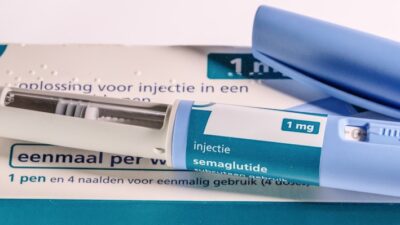
Lifestyle change is the foundation, but medications have a role for some. Metformin is the most studied, low-cost option and is often added when A1C is rising despite effort. GLP-1 and GIP/GLP-1 drugs (semaglutide, tirzepatide) produce larger weight loss and insulin sensitivity gains, though access and cost vary. These are decisions to make with a clinician, ideally alongside a structured lifestyle plan.
Markers Worth Tracking
- Fasting insulin (under 10 mIU/L is a reasonable target)
- HOMA-IR (under 2 generally indicates good insulin sensitivity)
- A1C every 3-6 months
- Triglyceride-to-HDL ratio (under 2 is favorable)
- Waist circumference and body composition
Common Reasons People Plateau
Stalled progress usually traces to one of a few culprits: under-sleeping, under-eating protein, underestimating liquid calories, too little resistance training, or an undiagnosed condition like hypothyroidism, PCOS, or sleep apnea. If changes are stalling after 8-12 weeks, it is time for a full workup rather than simply trying harder.
The Bottom Line
How to reverse insulin resistance is not a mystery: modest weight loss, consistent movement, better sleep, and a diet centered on whole foods will move the needle for most people. Expect early biochemical wins within a few weeks and durable changes within three to six months. Track objective markers, involve a clinician, and treat the plan as a long-term lifestyle, not a short-term diet.
Medical disclaimer: This article is educational and not a substitute for individualized medical advice. Consult your healthcare provider before making major diet, exercise, or medication changes.