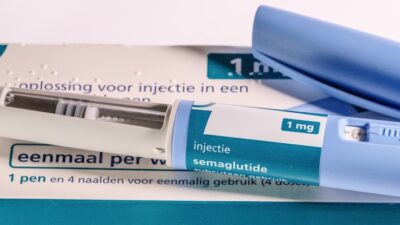
What is Zepbound used for? Zepbound (tirzepatide) is FDA-approved for chronic weight management in adults with obesity or overweight plus a weight-related condition, and for moderate-to-severe obstructive sleep apnea in adults with obesity. It is a once-weekly injection that activates both GIP and GLP-1 receptors, the same mechanism as Mounjaro.
The Two FDA-Approved Indications
Zepbound received its first FDA approval in November 2023 for chronic weight management. In December 2024, the FDA added a second indication: moderate-to-severe obstructive sleep apnea (OSA) in adults with obesity, as an adjunct to a reduced-calorie diet and increased physical activity. This was a first for any medication to treat OSA directly.
Chronic Weight Management Criteria
- BMI of 30 kg/m² or higher (obesity), OR
- BMI of 27 kg/m² or higher (overweight) plus at least one weight-related condition such as hypertension, type 2 diabetes, dyslipidemia, or obstructive sleep apnea
Obstructive Sleep Apnea Criteria
Adults with moderate-to-severe OSA (apnea-hypopnea index typically 15 or higher) and obesity, used with lifestyle intervention. The approval was based on the SURMOUNT-OSA trials, which showed meaningful reductions in AHI alongside weight loss.
How It Works Inside the Body
Tirzepatide binds both the GIP and GLP-1 receptors, which triggers four linked effects: increased insulin secretion when blood sugar is elevated, suppressed glucagon, slowed gastric emptying, and reduced appetite. The combined effect is less food intake, lower post-meal glucose, and, over time, substantial weight loss and improvements in metabolic markers.
What the Key Trials Showed
| Trial | Population | Key Outcome |
|---|---|---|
| SURMOUNT-1 | Adults with obesity, no diabetes | Up to 22.5% body weight loss at 15 mg over 72 weeks |
| SURMOUNT-2 | Adults with obesity and type 2 diabetes | ~15.7% weight loss at 15 mg |
| SURMOUNT-3 | After intensive lifestyle lead-in | Additional 18-21% weight loss on drug |
| SURMOUNT-4 | Maintenance vs. withdrawal | Continued loss on drug; regain on placebo |
| SURMOUNT-OSA | Adults with moderate-to-severe OSA + obesity | ~25-29 events per hour reduction in AHI |
How It Is Dosed
Zepbound is injected once weekly and titrated every four weeks from a 2.5 mg starting dose up to a maintenance dose of 5, 10, or 15 mg. The six available strengths (2.5, 5, 7.5, 10, 12.5, 15 mg) allow gradual escalation to minimize gastrointestinal side effects. Your clinician chooses the target maintenance dose based on efficacy and tolerability.
Common Side Effects
The most frequent side effects are gastrointestinal: nausea, diarrhea, vomiting, constipation, abdominal pain, and decreased appetite. They tend to be worst during dose escalation and improve over time. Injection-site reactions and mild fatigue are also common. Slow titration and dietary adjustments (smaller meals, less fatty food, good hydration) help most people tolerate therapy.
Serious Risks to Review
- Thyroid C-cell tumors: Boxed warning based on rodent studies; contraindicated in personal or family history of medullary thyroid carcinoma or MEN2
- Pancreatitis: Rare but possible; severe abdominal pain radiating to the back is a red flag
- Gallbladder disease: More common with rapid weight loss
- Kidney injury: Volume loss from severe GI symptoms can harm kidneys
- Hypoglycemia: Low risk alone, higher with insulin or sulfonylureas
- Suicidal ideation monitoring: FDA has asked for post-marketing surveillance; patients with mental health history should be monitored
The full FDA labeling details contraindications and warnings.
Zepbound vs. Other Options
For weight management, Zepbound competes with Wegovy (semaglutide), Saxenda (liraglutide), and older oral options like phentermine-topiramate and naltrexone-bupropion. Head-to-head data (SURMOUNT-5) suggest tirzepatide produces greater weight loss than semaglutide in adults with obesity. Still, individual response varies, and insurance often drives which medication is accessible.
Who Should Not Use Zepbound
- Personal or family history of medullary thyroid carcinoma
- Multiple endocrine neoplasia syndrome type 2 (MEN2)
- Known serious hypersensitivity to tirzepatide
- Pregnancy or planning pregnancy
- Breastfeeding
- Significant caution with gastroparesis, severe GI disease, or pancreatitis history
Cost and Coverage
Zepbound’s list price is roughly $1,060 per month for the pen formulation, though Eli Lilly has introduced a lower-priced vial offering at several dose strengths. Commercial insurance coverage varies; many plans require prior authorization and evidence of BMI and comorbidities. Medicare does not broadly cover weight-loss drugs, but the OSA indication may open new coverage pathways.
Where Zepbound Fits in Prediabetes Care
If you have prediabetes plus obesity, Zepbound’s weight loss can meaningfully improve insulin sensitivity and lower A1C, even though prediabetes itself is not an approved indication. Lifestyle change remains foundational. For context, see our reversing prediabetes guide, diet and nutrition hub, and A1C levels resource.
The Bottom Line
What is Zepbound used for? In 2026, it is approved for chronic weight management and moderate-to-severe obstructive sleep apnea in adults with obesity. It is a powerful tool with significant benefits and real risks, best used alongside diet, exercise, and medical supervision. If you are considering it, have an honest conversation with a qualified clinician about goals, long-term plans, and side effect monitoring.
Medical disclaimer: This article is educational only and does not replace personalized medical advice. Consult your healthcare provider before starting any medication.