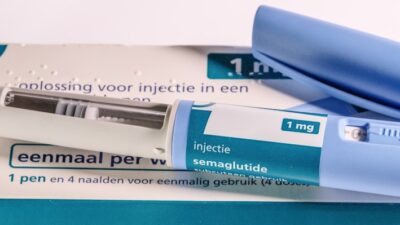
Semaglutide is the active ingredient inside Ozempic, so in one sense they are the “same” drug. But “is semaglutide the same as Ozempic” depends on what you are asking. Semaglutide is the generic compound; Ozempic is a specific FDA-approved brand-name injection dosed for adults with type 2 diabetes.
Semaglutide vs. Ozempic: The Generic vs. Brand Distinction
Semaglutide is a GLP-1 receptor agonist manufactured by Novo Nordisk. The company sells semaglutide under three distinct brand names, each approved by the FDA for specific indications. Ozempic is the once-weekly injection approved for type 2 diabetes. Wegovy is a higher-dose once-weekly injection approved for chronic weight management. Rybelsus is an oral tablet taken daily for type 2 diabetes.
That means every Ozempic pen contains semaglutide, but not every semaglutide product is Ozempic. Dose strengths, pen designs, and labeling differ between the three products even though the underlying molecule is identical.
How Semaglutide Works in the Body
Semaglutide mimics glucagon-like peptide-1 (GLP-1), a hormone your gut releases after meals. GLP-1 tells the pancreas to release insulin when glucose rises, slows how fast food leaves the stomach, and signals fullness to the brain. By activating the same receptor, semaglutide lowers post-meal glucose spikes and tends to reduce appetite.
Because it works on appetite and digestion as well as insulin, people taking semaglutide often lose weight. That is the mechanism that makes it relevant for many adults with prediabetes who also carry excess weight. Weight loss in turn improves A1C levels and insulin sensitivity.
Comparing the Three Semaglutide Brands
| Brand | FDA-Approved Use | Form | Typical Dose Range |
|---|---|---|---|
| Ozempic | Type 2 diabetes; cardiovascular risk reduction | Subcutaneous injection (pen) | 0.25 to 2.0 mg weekly |
| Wegovy | Chronic weight management | Subcutaneous injection (pen) | 0.25 to 2.4 mg weekly |
| Rybelsus | Type 2 diabetes | Oral tablet | 3, 7, or 14 mg daily |
Do not interchange brands on your own. Each product has a separate titration schedule and coverage policies, and your clinician will match the product to your diagnosis.
Common and Serious Side Effects
Gastrointestinal complaints dominate the side-effect profile. According to the FDA label, nausea, diarrhea, vomiting, constipation, and abdominal pain are reported by more than 5 percent of users in clinical trials. Symptoms usually ease as the body adjusts during dose titration.
Less common but more serious risks include pancreatitis, gallbladder disease, kidney injury from dehydration after severe vomiting, and diabetic retinopathy complications in people with pre-existing eye disease. Semaglutide carries a boxed warning about thyroid C-cell tumors observed in rodents, though a human link has not been established. It should not be used by anyone with a personal or family history of medullary thyroid carcinoma or multiple endocrine neoplasia syndrome type 2.
Who Might Be a Candidate
Semaglutide is approved for adults with type 2 diabetes or, in the case of Wegovy, for adults with obesity (BMI 30 or higher) or overweight (BMI 27 or higher) with at least one weight-related condition. It is not approved for type 1 diabetes or for people who are pregnant. Rybelsus is approved for type 2 diabetes only. None of the three products is approved for prediabetes specifically.
People with prediabetes sometimes ask whether semaglutide is appropriate. The first-line treatment for prediabetes remains lifestyle change, which research shows can cut progression to type 2 diabetes by more than half. Prescription medications like semaglutide are considered case-by-case by clinicians when lifestyle measures are not enough or when other conditions coexist.
Insurance and Access Differences
Because the three brand names target different FDA-approved uses, insurance coverage often differs by product. Ozempic is typically covered when a patient has a documented type 2 diabetes diagnosis and meets step-therapy requirements, such as trying metformin first. Wegovy coverage for chronic weight management varies widely by employer and plan, and many plans still exclude anti-obesity medications. Rybelsus, as a tablet, may be covered under a pharmacy benefit with its own tier and prior-authorization rules.
Because of these coverage differences, a clinician cannot simply substitute one semaglutide brand for another when insurance changes. The correct product depends on your diagnosis, your plan, and sometimes on what is in stock during periods of manufacturer shortage. Do not switch products on your own or try to source semaglutide from an unlicensed online pharmacy.
How Semaglutide Fits Alongside Diet and Activity
Every semaglutide product is approved as an adjunct to diet and physical activity, not as a replacement for them. Clinical trials that led to FDA approvals paired the drug with lifestyle counseling. People who continue walking, strength training, and focusing on balanced meals while on semaglutide tend to see better long-term results than those relying solely on the medication.
Stopping semaglutide generally leads to a rebound in appetite and, for many, regain of lost weight within a year. That reality is part of why clinicians frame GLP-1 therapy as a long-term tool rather than a short course. A licensed prescriber can help you set realistic expectations, plan for ongoing lifestyle support, and monitor any side effects.
The Bottom Line
Semaglutide is the generic chemical inside Ozempic, Wegovy, and Rybelsus. Ozempic refers specifically to the injectable version dosed for type 2 diabetes. The three products share the same active ingredient but differ in dose, form, and FDA-approved use. Any decision about starting, switching, or stopping a semaglutide product should be made with a licensed clinician who can weigh your medical history, insurance coverage, and treatment goals.
Medical disclaimer: This article is for educational purposes only and does not replace medical advice. Always consult a qualified healthcare provider before starting, stopping, or changing any medication.