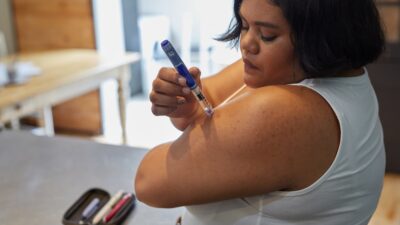
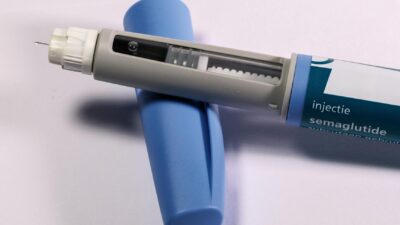
Tirzepatide tablets are not currently FDA-approved. As of 2026, tirzepatide is only available as a subcutaneous injection sold under the brand names Mounjaro for type 2 diabetes and Zepbound for chronic weight management. No oral tirzepatide pill has reached the U.S. market.
Why There Is No Tirzepatide Tablet Yet
Tirzepatide is a peptide, meaning it is a chain of amino acids. When peptides are swallowed, stomach acid and digestive enzymes usually break them down before they can reach the bloodstream. That is the same obstacle that kept semaglutide limited to injections until researchers at Novo Nordisk paired it with an absorption enhancer to create Rybelsus.
Eli Lilly, tirzepatide’s maker, has not developed a tablet version of tirzepatide itself. Instead, the company is pursuing a chemically distinct oral candidate called orforglipron. That drug is a small molecule, which resists stomach breakdown, and activates only the GLP-1 receptor rather than both GLP-1 and GIP. As of 2026, orforglipron is in late-stage clinical trials but has not been approved.
Beware of “Tirzepatide Tablets” Sold Online
Search results for “tirzepatide tablets” often return unlicensed online pharmacies or wellness clinics. Any product marketed this way is not FDA-approved. The FDA has repeatedly warned consumers about unapproved GLP-1 products, including counterfeit tablets, compounded formulations with inconsistent potency, and products sold without a valid prescription.
Risks include incorrect dosing, contamination, unknown active ingredients, and lack of safety monitoring. For anyone managing prediabetes or type 2 diabetes, these uncertainties can directly harm your glucose control and overall health.
Available Tirzepatide Products (Injectable Only)
| Brand | FDA-Approved Use | Form | Dosing |
|---|---|---|---|
| Mounjaro | Type 2 diabetes | Subcutaneous injection (pen) | Weekly, titrated from 2.5 mg up to 15 mg |
| Zepbound | Chronic weight management | Subcutaneous injection (pen or vial) | Weekly, titrated from 2.5 mg up to 15 mg |
| Orforglipron (investigational) | Not approved yet | Oral tablet | Study doses only |
How Injectable Tirzepatide Works
Tirzepatide activates two incretin receptors, GLP-1 and GIP. Both are hormones your gut releases after meals. Together they tell the pancreas to release insulin, slow stomach emptying, and reduce appetite. The dual mechanism is what distinguishes tirzepatide from older single-receptor GLP-1 drugs.
In pivotal clinical trials, tirzepatide produced larger A1C reductions and more weight loss than placebo and several active comparators. These data supported FDA approvals of Mounjaro and Zepbound. For people with prediabetes, however, these drugs are not first-line. Standard prediabetes treatment emphasizes weight loss and activity, and diet and nutrition changes remain central.
Side Effects to Know About
The side-effect profile for injectable tirzepatide is dominated by gastrointestinal symptoms: nausea, diarrhea, vomiting, constipation, and abdominal pain. Most ease with time but can be intense during dose escalation. Injection-site reactions can also occur.
Serious but less common risks include pancreatitis, gallbladder disease, acute kidney injury from severe vomiting, and diabetic retinopathy complications in people with pre-existing eye disease. Tirzepatide carries a boxed warning for thyroid C-cell tumors observed in rodents and is contraindicated for anyone with a personal or family history of medullary thyroid carcinoma or multiple endocrine neoplasia syndrome type 2. It should not be used during pregnancy.
What to Do If You Want an Oral GLP-1
If injections are a barrier and you want an oral option, the only FDA-approved oral GLP-1 in 2026 is Rybelsus (oral semaglutide), indicated for type 2 diabetes. Oral tirzepatide does not yet exist. A licensed clinician can discuss whether Rybelsus, an injectable GLP-1, or a non-GLP-1 strategy fits your diagnosis and goals. Your A1C level, weight history, and other medications all factor into the choice.
Why the Distinction Between Peptides and Small Molecules Matters
The reason injectable tirzepatide cannot simply be pressed into tablets is chemistry. Tirzepatide is a large peptide. Swallowing a peptide typically means it meets stomach acid, pepsin, and other digestive enzymes that break it into amino acids long before it can act on GLP-1 or GIP receptors. Novo Nordisk partly solved this for semaglutide by pairing it with an absorption enhancer called SNAC that protects the peptide long enough to reach the bloodstream; the trade-off is the strict fasting rules users must follow every morning.
Small molecules like orforglipron are a different chemical class altogether. They are designed to survive digestion and bind to GLP-1 receptors on their own. If future small-molecule dual GLP-1/GIP agonists reach the market, they could eventually serve as a true oral equivalent of tirzepatide, but those molecules are in earlier research stages and have not been submitted for FDA review.
Protecting Yourself From Counterfeit Products
Because tirzepatide is in high demand, counterfeit products show up in many forms online. Telehealth clinics advertising tirzepatide pills, compounding pharmacies claiming to offer an oral version, and overseas sellers are all outside the FDA-approved supply chain. Warning signs include prices far below typical retail, requests to pay by cryptocurrency or wire transfer, and lack of a US-licensed prescriber or pharmacy. If a product arrives in packaging that does not match Mounjaro or Zepbound labeling, do not inject or swallow it.
The Bottom Line
Tirzepatide tablets are not an FDA-approved option as of 2026. Any product sold under that name is unregulated and potentially unsafe. Injectable tirzepatide (Mounjaro and Zepbound) and investigational oral drugs like orforglipron are the legitimate products and candidates in this space. Bring any decision about starting or switching GLP-1 therapy to a licensed clinician who can evaluate your health history.
Medical disclaimer: This article is for educational purposes only and does not replace medical advice. Always consult a qualified healthcare provider before starting, stopping, or changing any medication.