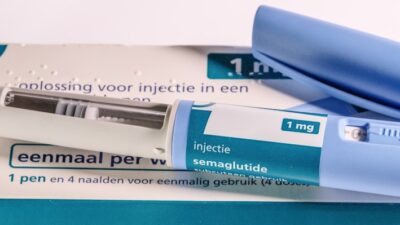
Oral tirzepatide is not yet an FDA-approved medication. As of 2026, tirzepatide exists only as an injectable under the brand names Mounjaro (for type 2 diabetes) and Zepbound (for chronic weight management). Oral GLP-1 and dual GIP/GLP-1 pills are in late-stage clinical development, and early data suggest they could soon bring injection-level benefits in tablet form.
Why an Oral Formulation Matters
Injectable therapy is effective but introduces barriers: needle aversion, refrigeration needs, manufacturing bottlenecks, and weekly scheduling. A daily pill would reshape access to GLP-1 therapy for people who avoid injections and for health systems that struggle to scale injection-based care. Oral options could also lower manufacturing costs because small-molecule tablets are cheaper to produce than prefilled injection pens.
Oral semaglutide (Rybelsus) has already shown that the general approach is viable, though it requires fasted administration and delivers smaller effects than injectable semaglutide. The next generation of oral drugs aims to close that gap. For broader medication context, see the prediabetes treatment hub.
Oral Candidates in the Pipeline
| Drug | Mechanism | Developer | Stage | Early Efficacy Signals |
|---|---|---|---|---|
| Orforglipron | Small-molecule GLP-1 | Eli Lilly | Phase 3 | 14.7 percent weight loss at 36 weeks |
| Oral tirzepatide-like candidates | Dual GIP/GLP-1 | Eli Lilly (preclinical to Phase 1) | Early | Not yet reported |
| Danuglipron | Small-molecule GLP-1 | Pfizer (discontinued 2023 to 2024) | Discontinued | GI tolerability issues |
| Oral GLP-1/glucagon combos | Dual agonists | Multiple sponsors | Phase 2 | Early weight signals |
| Rybelsus (oral semaglutide) | GLP-1 peptide | Novo Nordisk | Approved | 1.0 percent A1C, 3 to 5 percent weight loss |
Orforglipron is the most prominent oral candidate likely to reach market soon. It is not tirzepatide — it is a GLP-1 agonist — but it illustrates how close oral therapy has come to injectable efficacy.
How a Small-Molecule Oral GLP-1 Actually Works
Traditional GLP-1 drugs are peptides. Peptides break down easily in the stomach, which is why injectable forms dominate and why oral semaglutide requires complex absorption enhancers. Small-molecule oral drugs like orforglipron skip this problem by mimicking GLP-1 signaling with a conventional drug-like molecule. They can be taken without regard to food, store at room temperature, and scale through standard pharmaceutical manufacturing.
Tirzepatide itself is a peptide engineered to hit both GIP and GLP-1 receptors. Creating a small-molecule dual agonist that delivers tirzepatide-like efficacy is harder, and the first candidates are still in early human trials. Realistically, the first “oral tirzepatide” experience most patients will have is likely a dual-agonist small molecule that behaves similarly but is chemically distinct.
Expected Benefits Compared to Injections
Clinicians monitoring oral GLP-1 trials highlight several likely advantages and compromises:
- Convenience — daily pill with no needles and no refrigeration.
- Supply resilience — tablets scale faster than pen injections.
- Lower cost potential — pending real-world pricing.
- Slightly lower peak efficacy — oral pills may deliver 85 to 95 percent of injectable weight loss based on current data.
- Stricter adherence needs — a missed dose matters more for daily than weekly therapy.
- Food timing requirements — some oral peptides need fasted dosing; small-molecule drugs typically do not.
Side Effects to Expect
Because oral GLP-1 and dual-agonist drugs engage the same receptors as their injectable counterparts, the side-effect profile is largely similar:
- Nausea, especially during dose escalation
- Constipation and, less commonly, diarrhea
- Headache and fatigue in the first 2 to 4 weeks
- Decreased appetite
- Rare but notable risks: pancreatitis, gallbladder disease, and thyroid concerns class-wide
Hydration, fiber, and slow dose titration remain the best mitigations, matching the approach used with injectable agents.
What to Do While Waiting
If you are considering starting a GLP-1 now but wondering whether to wait for oral options, speak with a clinician who can weigh your current risk. Evidence-based lifestyle intervention remains first-line for prediabetes and early type 2 diabetes. Reference the prediabetes diet hub for structured eating strategies, and monitor your A1C levels over time to quantify progress.
When medication is indicated, current injectable tirzepatide (Mounjaro and Zepbound) remains highly effective, and most insurance plans cover it for appropriate indications. According to the FDA approval package for tirzepatide, the injectable form delivers the largest A1C and weight reductions of any currently approved monotherapy.
The Bottom Line
Oral tirzepatide does not exist as an approved commercial product. What you will likely see first is an oral small-molecule GLP-1 like orforglipron and, eventually, oral dual-agonist successors. Early trial data are promising and suggest pill-based therapy will approach injectable efficacy without matching it perfectly. If you need GLP-1 therapy now, start with current FDA-approved injectable options under medical supervision and stay informed as oral candidates reach the market.