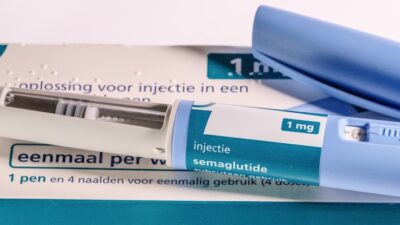
Microdosing tirzepatide means injecting weekly doses below the FDA-approved 2.5 mg starting dose, often 0.5-2 mg. It is not FDA-approved, not studied in large randomized trials, and almost always relies on compounded tirzepatide. Claims of gentler side effects and lower cost are common; rigorous evidence that it works as well as approved dosing is not.
Where the Term Comes From
The word “microdose” was popularized in the context of psychedelics and nootropics, meaning sub-perceptual amounts taken for subtle effects. It was adopted by some GLP-1 and GIP/GLP-1 users to describe weekly doses smaller than the FDA-approved schedule. Social media videos, online forums, and some telehealth platforms have amplified the practice, particularly as people try to avoid nausea or lower monthly costs.
The FDA-Approved Dosing Baseline
Tirzepatide is FDA-approved as Mounjaro (type 2 diabetes) and Zepbound (obesity, obstructive sleep apnea) in six dose strengths: 2.5, 5, 7.5, 10, 12.5, and 15 mg once weekly. Trials used these exact doses, escalating every four weeks. The 2.5 mg starting dose is considered subtherapeutic for efficacy but therapeutic for minimizing side effects during initiation. Any dose below 2.5 mg falls outside the studied range.
Why People Try Microdosing
- Side effect sensitivity: Some patients experience severe nausea or vomiting even at 2.5 mg
- Cost stretching: Drawing smaller doses makes a single vial last longer
- Maintenance strategy: After reaching a weight goal, patients may want a lower dose
- Reduced muscle loss concern: Some hypothesize slower weight loss preserves lean mass
- Hormonal benefits: Anecdotal claims about improved insulin sensitivity at tiny doses
What the Evidence Actually Shows
SURPASS and SURMOUNT trials only tested doses from 5 mg up. The 2.5 mg dose was a titration-only dose. No published randomized trial has tested 0.5-2 mg weekly for efficacy outcomes. Case series and self-reported surveys exist, but selection bias, placebo effect, and concurrent diet changes make it impossible to isolate drug effect.
Pharmacokinetically, tirzepatide has a half-life of about five days. At very low weekly doses, steady-state drug levels may simply be too low to engage receptors meaningfully, though this has not been formally quantified for weight or A1C endpoints.
The Compounded-Supply Problem
Almost all microdosing relies on compounded tirzepatide because FDA-approved pens deliver fixed doses and are difficult to split accurately. Compounded vials are not FDA-approved; concentration and purity vary by pharmacy. After the FDA declared the tirzepatide shortage resolved, large-scale compounding was substantially restricted, further reducing reliable supply.
Risks Particular to Microdosing
| Risk | Why It Matters |
|---|---|
| Dosing errors | Confusion between units on an insulin syringe and milligrams of drug has caused significant overdoses |
| Batch variation | Different pharmacies use different concentrations; switching suppliers can unintentionally triple your dose |
| Contamination | Repeatedly drawing from a multidose vial increases bacterial contamination risk |
| Unknown potency | Without certificate of analysis, stated mg/mL may not match actual drug content |
| Placebo effect | Many reported benefits may come from concurrent diet changes, not the drug |
| Serious side effects | Pancreatitis, gallbladder disease, and thyroid C-cell tumor warning still apply |
What Clinicians Actually Do
Many experienced endocrinologists and obesity-medicine physicians do tailor dosing. This might mean staying on 2.5 mg longer than four weeks, extending dosing intervals (every 10-14 days instead of weekly), or dropping back to a lower approved dose for maintenance. These adjustments stay within the FDA-approved strengths and use pharmacy-dispensed, branded product. That is meaningfully different from drawing 0.3 mL out of a compounded vial of unverified potency.
Questions Worth Asking
- Is there a clinical reason to use a dose below 2.5 mg, and does my clinician support it?
- Is the source a licensed U.S. pharmacy with batch testing available?
- Can I achieve my goals with the FDA-approved titration instead?
- What side effects or lab changes should prompt me to stop?
- How will we measure whether the dose is actually doing anything?
Microdosing in the Prediabetes Conversation
For prediabetes, lifestyle change remains the highest-evidence intervention. Medication has a role in selected cases, but microdosing an unapproved form of tirzepatide is not established care. Review our treatment and reversing prediabetes pages, and understand your A1C trajectory before jumping to injectables.
Serious Warnings Still Apply
A lower dose does not eliminate tirzepatide’s boxed warning for thyroid C-cell tumors or its contraindications in people with personal or family history of medullary thyroid carcinoma or MEN2. Pancreatitis, gallbladder disease, and kidney injury from dehydration remain possible. Severe abdominal pain, vision changes, neck lumps, or signs of low blood sugar (when combined with other diabetes medications) should prompt urgent medical evaluation.
The Bottom Line
Microdosing tirzepatide is a marketing-driven practice with real but understudied appeal. It sits outside FDA approval, outside major trials, and usually inside the compounded pharmacy ecosystem, which introduces its own risks. If you want to minimize side effects or costs, talk to your clinician about the lowest FDA-approved dose and legitimate savings programs first. Never titrate, split, or dose tirzepatide based on social media protocols.
Medical disclaimer: This article is educational only and is not medical advice. Dosing decisions must be made with your licensed prescriber.