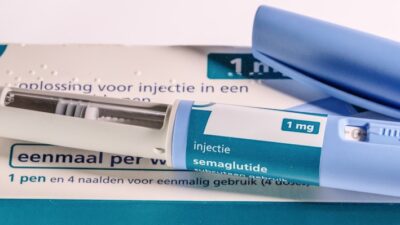
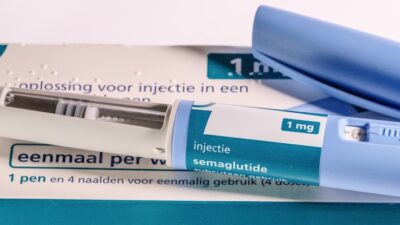
Zepbound dosage follows a stepwise titration: start at 2.5 mg once weekly, then increase by 2.5 mg every four weeks until you reach a maintenance dose of 5, 10, or 15 mg. Six FDA-approved strengths are available, each delivered via a pre-filled auto-injector pen. Higher doses produce greater weight loss, but the right dose depends on tolerability, goals, and clinician judgment.
What Zepbound Is and Who It Is For
Zepbound (tirzepatide) is a once-weekly injection FDA-approved for chronic weight management in adults with obesity (BMI 30 or higher) or overweight (BMI 27 or higher) with at least one weight-related condition. In late 2024, it was also approved for moderate-to-severe obstructive sleep apnea in adults with obesity. It is the same molecule as Mounjaro, but Mounjaro is approved for type 2 diabetes.
The Six Zepbound Dose Strengths
| Dose | Role | Typical Duration |
|---|---|---|
| 2.5 mg | Starting dose (subtherapeutic) | 4 weeks |
| 5 mg | First therapeutic / maintenance option | 4 weeks or ongoing |
| 7.5 mg | Titration step | 4 weeks |
| 10 mg | Maintenance option | Ongoing |
| 12.5 mg | Titration step | 4 weeks |
| 15 mg | Maximum maintenance dose | Ongoing |
Why Titration Matters
Tirzepatide slows gastric emptying, which is part of why it reduces appetite but also why it causes nausea. Starting low and going slow gives your GI tract time to adapt. The 2.5 mg starting dose is not expected to deliver meaningful weight loss; it is there to reduce side effects. Skipping or rushing the titration increases vomiting, dehydration, and discontinuation rates.
Dose-Response: What Trials Show
SURMOUNT-1, the landmark obesity trial, randomized adults to placebo or Zepbound at 5, 10, or 15 mg. Over 72 weeks, average weight loss was:
- Placebo: about 3% body weight
- 5 mg: about 15% body weight
- 10 mg: about 19% body weight
- 15 mg: about 21-22% body weight
Higher doses produce bigger effects on average, but individual results vary widely. Some people reach their goals at 5 or 10 mg without needing to push to 15 mg. The FDA approval announcement summarizes the evidence base.
How to Inject It
Zepbound comes in a single-dose pen or vial. Inject once a week, on the same day, into the abdomen, thigh, or upper arm. Rotate sites to reduce skin reactions. The timing does not depend on meals. Store pens in the refrigerator, but they can be kept at room temperature (below 86 degrees F) for up to 21 days if needed.
What Drives Dose Adjustments
Your clinician may slow, pause, or step down titration if you experience:
- Severe or persistent nausea, vomiting, or diarrhea
- Signs of dehydration or acute kidney injury
- Gallbladder symptoms (right upper abdominal pain)
- Signs of pancreatitis (severe, persistent abdominal pain radiating to the back)
- Unplanned weight loss below a healthy threshold
Side Effects by Dose
Gastrointestinal side effects are the most common and tend to cluster during dose escalation. Nausea affected roughly 25-30 percent of participants across dose groups in SURMOUNT-1. Rates of diarrhea, constipation, and vomiting rose modestly with higher doses, but most side effects were mild to moderate. Serious events (pancreatitis, severe hypoglycemia, kidney injury) were rare.
What If You Plateau on a Dose?
Weight loss typically slows after the first 6-9 months on any given dose. Your clinician may discuss moving up to the next dose, reassessing diet and activity, screening for sleep apnea or thyroid issues, or adding another modality. SURMOUNT-4 data suggest that continued use at an effective maintenance dose preserves most weight loss; stopping leads to regain.
Zepbound and Prediabetes
Zepbound is not specifically approved for prediabetes, but weight loss of this magnitude typically improves insulin sensitivity and can move A1C out of the prediabetic range. For most people, lifestyle change remains the first-line approach. If you are curious about A1C targets and lifestyle strategies, see our A1C levels guide and prediabetes treatment hub. Pharmacotherapy should be layered on lifestyle change, not replace it.
Questions to Ask Before Adjusting Your Dose
- Am I tolerating this dose well enough to step up?
- Are my A1C, weight, and blood pressure moving in the right direction?
- Am I experiencing any warning signs (severe GI symptoms, neck lump, vision changes)?
- What is my long-term plan if I reach my goal or need to stop?
The Bottom Line
Zepbound dosage runs from 2.5 mg to 15 mg once weekly, titrated every four weeks. The starting dose minimizes side effects; the maintenance dose is individualized to balance efficacy and tolerability. Higher doses generally produce more weight loss, but the right Zepbound dosage is the one your clinician selects based on your response, side effects, and overall health. Never self-adjust, share, or source this medication outside of a licensed prescription.
Medical disclaimer: This article is for educational purposes and is not medical advice. Dosing decisions should be made with your prescribing clinician.