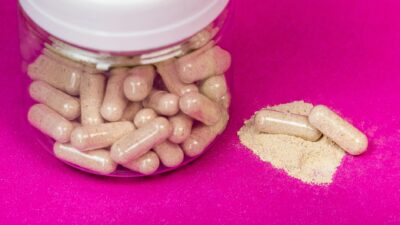
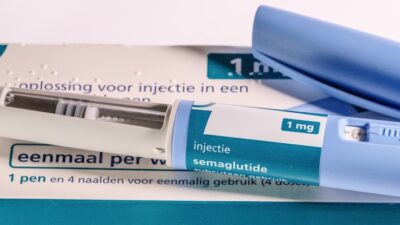
There is no FDA-approved generic Ozempic on the U.S. market as of 2026. Ozempic (semaglutide) is still patent-protected, which means no legitimate generic can be manufactured and sold by another company. Products marketed as generic Ozempic are almost always compounded semaglutide, which is not FDA-approved and carries real safety questions.
Why There Is No Generic Ozempic Yet
A true generic drug is an FDA-approved copy of a brand-name drug, manufactured by a different company after the original product’s patents and exclusivity periods expire. Ozempic is made by Novo Nordisk, with active patents and regulatory protections that extend into the early 2030s in the United States. Until those expire, and until another manufacturer files and earns FDA approval, no generic semaglutide injection can legally exist here.
Even after patents lapse, biologic and peptide drugs like semaglutide often go through a more complex “follow-on” pathway rather than the simple generic process used for small-molecule pills. That adds time to the likely launch window.
What Is Actually Being Sold as “Generic Ozempic”
When you see the phrase online, it almost always points to one of three things:
- Compounded semaglutide: Made by a U.S. compounding pharmacy, not FDA-approved, of variable quality
- Counterfeit or illicit product: Often sold without a prescription or shipped from overseas
- Mislabeled peptide: Research chemicals labeled “not for human use” that are redirected to patients
None of these meet the FDA definition of a generic. The FDA has warned about adverse events from unapproved GLP-1 products including dosing errors and hospitalizations.
The Compounding Shortage Window
Federal law allows compounding pharmacies to produce copies of an FDA-approved drug when it is listed in shortage. Semaglutide was on the FDA shortage list for much of 2022-2024, creating a temporary legal pathway for compounded versions. The FDA declared the shortage resolved in 2025, which substantially limits ongoing large-scale compounding. Many telehealth platforms adjusted or paused their compounded semaglutide programs as a result.
Real, FDA-Approved Alternatives
If cost or access is the issue, several approved options may help, each with tradeoffs:
| Drug | Class | Route | Approved For |
|---|---|---|---|
| Ozempic (semaglutide) | GLP-1 | Weekly injection | Type 2 diabetes |
| Wegovy (semaglutide) | GLP-1 | Weekly injection | Obesity / weight management |
| Rybelsus (semaglutide) | GLP-1 | Daily oral tablet | Type 2 diabetes |
| Trulicity (dulaglutide) | GLP-1 | Weekly injection | Type 2 diabetes, CV risk |
| Victoza (liraglutide) | GLP-1 | Daily injection | Type 2 diabetes |
| Saxenda (liraglutide) | GLP-1 | Daily injection | Obesity |
| Mounjaro (tirzepatide) | GIP/GLP-1 | Weekly injection | Type 2 diabetes |
| Zepbound (tirzepatide) | GIP/GLP-1 | Weekly injection | Obesity, sleep apnea |
Benefits of Legitimate Semaglutide
FDA-approved semaglutide (Ozempic, Wegovy, Rybelsus) has consistent quality control, verified active ingredient, reliable dosing, and a large safety database from major trials like SUSTAIN, STEP, and SELECT. A1C reductions of 1-1.8 percentage points are typical in type 2 diabetes trials, and weight loss averages 10-15 percent at maintenance doses of Wegovy.
Side Effects Are the Same, Regardless of Source
Whether brand or compounded, semaglutide can cause:
- Nausea, vomiting, diarrhea, and constipation (most common)
- Abdominal pain or discomfort
- Gallstones and pancreatitis (less common)
- Hypoglycemia when combined with insulin or sulfonylureas
- Possible risk of thyroid C-cell tumors (boxed warning based on rodent studies)
With compounded products, you also inherit the additional risks of inconsistent potency, impurities, and dosing errors.
Cost Strategies That Do Not Involve Unapproved Drugs
- Check manufacturer savings programs (Novo Nordisk and Eli Lilly both run them)
- Confirm whether your insurance formulary covers Ozempic, Mounjaro, or Trulicity
- Discuss whether a less expensive approved alternative (metformin, SGLT2, liraglutide) is reasonable for you
- Ask about patient assistance programs for people without insurance
Where Lifestyle and Low-Cost Therapy Still Matter
For prediabetes, structured lifestyle change outperforms metformin in most head-to-head trials and costs almost nothing. Review our reversing prediabetes guide and our diet and nutrition hub. For some, tracking progress starts with understanding A1C levels and working with a clinician on a goal-based plan.
Red Flags When Shopping Online
Avoid any source that offers semaglutide without a prescription, ships from overseas, does not identify a licensed U.S. prescriber, advertises suspiciously low prices, or sells products labeled “research chemical” or “not for human use.” These are among the strongest signals of counterfeit or illicit product.
The Bottom Line
Generic Ozempic, in the FDA sense of a bioequivalent, approved copy, does not exist as of 2026 and is unlikely before the early 2030s. Anything marketed that way today is almost certainly compounded or counterfeit. If cost or access is a problem, work with a licensed clinician on FDA-approved alternatives, assistance programs, or lifestyle-first strategies. Do not trade real savings for unknown safety.
Medical disclaimer: This article is educational only and is not a substitute for personalized medical advice. Always consult a licensed healthcare provider about medication options.