Semaglutide syringe dosage refers to the volume of drug drawn into an insulin syringe when a compounded vial formulation is prescribed instead of a prefilled pen. Because the milligrams delivered per unit depend on the pharmacy’s concentration, only your prescriber can set a safe dose. This article explains the concepts, not specific amounts.
Why Syringe Dosing Differs From Pen Dosing
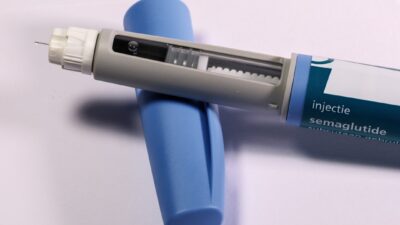
Brand-name semaglutide products (Ozempic for type 2 diabetes, Wegovy for weight management, Rybelsus as an oral tablet) come in prefilled devices with fixed milligram steps. You dial a dose such as 0.25 mg, 0.5 mg, 1 mg, 1.7 mg, or 2.4 mg. The device handles the math.
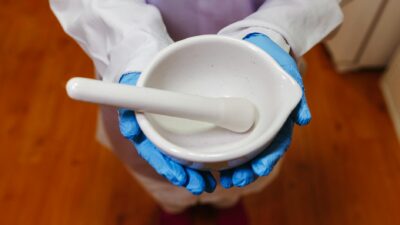
Compounded semaglutide, by contrast, is typically shipped as a vial of solution. You draw it into an insulin syringe where the markings measure volume in “units” (1 unit equals 0.01 mL on a U-100 syringe). The milligrams you deliver depend entirely on how concentrated that particular vial is, which varies by compounding pharmacy and batch.
Common Compounded Concentrations (Illustrative Only)
The table below is for educational reference. It does not tell you what to inject. Always defer to the concentration printed on your specific pharmacy label and the dose your prescriber wrote.
| Illustrative vial concentration | Volume of 10 units (0.10 mL) | Volume of 25 units (0.25 mL) |
|---|---|---|
| 1 mg/mL | 0.10 mg | 0.25 mg |
| 2.5 mg/mL | 0.25 mg | 0.625 mg |
| 5 mg/mL | 0.50 mg | 1.25 mg |
Two vials that look identical can contain very different drug amounts. This is the central safety issue flagged in the FDA’s 2024 communication on compounded semaglutide dosing errors.
Titration Principles Your Clinician May Use
Commercial semaglutide is titrated upward slowly to reduce gastrointestinal side effects. Wegovy’s labeled schedule, for instance, escalates across 16 weeks from a low starting dose to a maintenance target. Compounded regimens often mirror this philosophy but execute it with syringe volumes that require manual calculation.
If you have prediabetes or are taking semaglutide for weight management, your prescriber will weigh how quickly to step up based on tolerance, nausea, and any glucose-related goals. That judgement is clinical, not a number you can look up.
Common Side Effects to Report
Regardless of whether you use a pen or a syringe, semaglutide’s side-effect profile is similar: nausea, vomiting, diarrhea, constipation, and abdominal discomfort are most common. More serious concerns include pancreatitis, gallbladder disease, and (from animal data) a boxed warning about medullary thyroid carcinoma risk.
Report severe or persistent symptoms to your prescriber. Also report accidental overdose immediately — a syringe dosing error that delivers far more than intended can cause prolonged nausea and vomiting because of semaglutide’s long half-life.
Handling, Storage, and Injection Safety
Compounded semaglutide vials typically require refrigeration and have a shorter beyond-use date than sealed pens. Rotating injection sites across the abdomen, thigh, or upper arm reduces local irritation. Dispose of syringes in an FDA-cleared sharps container, never loose trash.
If you also monitor glucose — for example after tracking your A1C levels — note that semaglutide can lower fasting readings, and if combined with insulin or a sulfonylurea, hypoglycemia risk rises.
Red Flags That Warrant a Pharmacy Call
- Label concentration does not match what your prescriber told you to expect.
- Syringe markings (U-100 vs U-40, or 0.3 mL vs 1 mL) differ from prior refills.
- Vial appears cloudy, discolored, or contains particles.
- The pharmacy label lists an ingredient (for example, “semaglutide sodium”) that differs from the base semaglutide your doctor prescribed — FDA has warned that certain salt forms are not the same active ingredient.
- You are unsure how many units to draw. Do not guess; call before injecting.
How This Fits Into a Broader Plan
Medication is one tool. For most people with prediabetes, lifestyle treatment — a modest weight reduction, improved nutrition, and consistent activity — produces the largest absolute risk reduction for progression to type 2 diabetes. GLP-1 medications may be added when clinically appropriate. According to the American Diabetes Association Standards of Care, pharmacotherapy decisions should be individualized.
The Bottom Line
Semaglutide syringe dosage is not a number you can pull from a chart. It depends on the exact concentration in your vial, the milligram target your prescriber set, and a careful unit-to-volume calculation that your pharmacist should confirm. Never self-adjust, and call your clinician if anything on the label or syringe looks different from your previous fill.
This article is for educational purposes only and is not medical advice. Always consult a licensed healthcare professional about any medication, dose, or health decision.