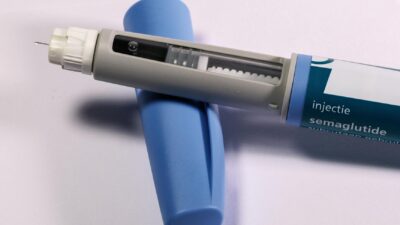
Tirzepatide dosage for weight loss follows a slow, stepped titration. The FDA-approved Zepbound schedule starts at 2.5 mg once weekly for 4 weeks, then increases by 2.5 mg every 4 weeks to a maintenance dose of 5 mg, 10 mg, or 15 mg. The slow ramp reduces nausea and other GI side effects while allowing the body to adapt. Your clinician decides the final dose based on response and tolerability.
How Tirzepatide Dosing Was Studied
Tirzepatide is a dual GLP-1 and GIP receptor agonist. The SURMOUNT-1 trial randomized adults with obesity or overweight plus a weight-related condition (but no diabetes) to 5 mg, 10 mg, or 15 mg once weekly versus placebo for 72 weeks. Mean percent body weight loss was 15.0 percent at 5 mg, 19.5 percent at 10 mg, and 20.9 percent at 15 mg. The FDA approved all three doses as maintenance options when it cleared the brand Zepbound in November 2023. Understanding where weight loss fits into metabolic reversal helps frame why the dosing ramp exists.
The Standard Titration Schedule
| Weeks | Dose | Purpose |
|---|---|---|
| 1-4 | 2.5 mg weekly | Starter dose to build tolerance; not meant for maintenance |
| 5-8 | 5 mg weekly | First maintenance option; stop here if responding well |
| 9-12 | 7.5 mg weekly | Titration step only |
| 13-16 | 10 mg weekly | Second maintenance option |
| 17-20 | 12.5 mg weekly | Titration step only |
| 21+ | 15 mg weekly | Third maintenance option; highest approved dose |
The 2.5 mg, 7.5 mg, and 12.5 mg doses are transitional. They are there to reduce side effects, not to drive weight loss. The maintenance doses are 5, 10, and 15 mg.
Why a Slow Titration Matters
The most common side effects (nausea, diarrhea, constipation, reflux, abdominal discomfort) cluster in the first 4 to 8 weeks of each new dose. Slowing the climb lets the gut adapt, reduces dropouts, and preserves consistent weekly dosing. Jumping a step usually backfires, delivering worse symptoms without faster weight loss. If side effects at a given step are difficult, your clinician may:
- Hold the dose for an additional 4 weeks before stepping up
- Step back to the previous dose temporarily
- Add supportive care, such as hydration, fiber, and anti-nausea medications
- Pause escalation altogether if the current dose produces acceptable results
Choosing a Maintenance Dose
Many patients reach meaningful results at 5 mg or 10 mg and never need 15 mg. Factors clinicians consider include current weight loss trajectory, side effect burden, cost and insurance coverage, comorbidities like blood pressure or A1C, and the patient’s goals. SURMOUNT-2 suggested that people with diabetes may need higher doses to achieve the same percent weight loss as those without diabetes.
Handling Plateaus
Plateaus are normal. A lower body weight requires fewer calories, and appetite suppression blunts, not eliminates, intake. Before raising the dose, most clinicians review:
- Protein intake (aim for 1.2 to 1.6 g per kg body weight)
- Strength training frequency
- Sleep duration and quality
- Adherence to weekly injections
- Hidden calories in beverages, condiments, and snacks
If those are addressed and weight is still stuck after 8 to 12 weeks, moving up one step is reasonable.
Missed Doses and Switching
Per the FDA label, a missed dose can be taken within 4 days; otherwise skip and resume on the usual day. Do not double up. Patients switching from Ozempic or Wegovy (semaglutide) usually restart tirzepatide at 2.5 mg regardless of their previous semaglutide dose, because the drugs have different receptor profiles.
When to Talk to Your Prescriber
Contact your clinician if you have persistent vomiting, severe abdominal pain, signs of pancreatitis, new gallbladder symptoms, or symptoms suggesting thyroid disease. Also reach out if weight loss is much slower than expected at the current dose for more than 8 to 12 weeks. For a broader treatment discussion, including lifestyle change, see our hub.
The Bottom Line
Tirzepatide dosage for weight loss is a stepped, 4-week-per-level titration from 2.5 mg to a maintenance dose of 5, 10, or 15 mg weekly. Higher doses usually mean more weight loss but also more side effects, so the “right” dose is the lowest one that delivers meaningful results with acceptable tolerability. All dosing decisions should be individualized by a licensed clinician who monitors your full medical picture.
Medical Disclaimer: This article is informational only. Do not change your tirzepatide dose without guidance from your prescribing clinician.