Tirzepatide before-and-after results, based on the SURMOUNT-1 clinical trial published in the New England Journal of Medicine, show adults without diabetes lost an average of 15 percent to 22 percent of their body weight over 72 weeks. A1C in adults with type 2 diabetes typically dropped 1.8 to 2.4 percentage points at the highest dose. But averages hide substantial variation — and social media photos hide even more.
What the Clinical Trials Actually Showed
SURMOUNT-1 randomized 2,539 adults with obesity (but without diabetes) to placebo or one of three tirzepatide doses for 72 weeks. The primary outcome was percentage change in body weight.
| Group | Average Weight Loss (72 weeks) | Average Lbs Lost (200 lb starting) |
|---|---|---|
| Placebo | 3.1% | 6 lbs |
| Tirzepatide 5 mg | 15.0% | 30 lbs |
| Tirzepatide 10 mg | 19.5% | 39 lbs |
| Tirzepatide 15 mg | 20.9% | 42 lbs |
More than 85 percent of participants on the 10 mg or 15 mg dose lost at least 5 percent of body weight — the clinical threshold for meaningful metabolic improvement. In the SURPASS trials for type 2 diabetes, the weight loss was slightly smaller (around 10-13 percent average) but A1C reductions were larger.
Typical Timeline of Before-and-After Changes
Weight loss on tirzepatide is not linear. Most people see this general pattern:
- Weeks 1-4: Appetite drops noticeably. Weight loss of 2-5 pounds, often more water than fat.
- Months 2-3: First substantial fat loss, typically 5-8 percent of body weight.
- Months 4-6: Continued steady loss as dose escalates; 10-15 percent common.
- Months 7-12: Loss slows but continues; many reach 17-20 percent.
- Month 12-18: Plateau at the individual’s new set point.
According to the FDA label for Zepbound, dose should be escalated gradually — starting at 2.5 mg and advancing every four weeks — to minimize gastrointestinal side effects that can derail adherence.
What Changes Beyond the Scale
Before-and-after photos show the visible shift, but lab results often change just as dramatically. Commonly reported changes in trial data include:
- A1C drops of 1.8-2.4 points (in diabetes)
- Systolic blood pressure reduction of 6-8 mmHg
- Triglyceride reductions of 20-30 percent
- Reduced waist circumference of 4-7 inches
- Improved sleep apnea severity
- Lower liver fat on imaging
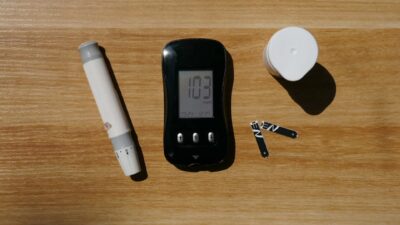
If you are tracking progress, paired lab work every three to six months tells a fuller story than photographs. Review your A1C trajectory alongside weight and waist measurements.
Why Individual Results Vary So Much
Even at the same dose, one person may lose 30 percent while another loses 8 percent. Contributing factors include:
- Starting weight and body composition — people with more fat mass often lose more in absolute terms.
- Adherence — missed doses interrupt the steady-state appetite suppression.
- Dietary habits — tirzepatide reduces hunger but does not override high-calorie food choices.
- Muscle mass and activity — resistance training preserves lean mass during weight loss.
- Genetics — GLP-1 and GIP receptor variants can affect response.
- Side effects — severe nausea can reduce dose tolerance.
What Happens When People Stop
The SURMOUNT-4 withdrawal trial followed people who had lost weight on tirzepatide for 36 weeks, then randomized them to continue or switch to placebo. Those who continued tirzepatide maintained or added to their loss. Those who stopped regained about half the lost weight within a year. This pattern is consistent with the underlying biology of obesity and not unique to tirzepatide — it is why many clinicians treat weight-loss medications as chronic therapy.
See the treatment hub for broader context on long-term weight management strategies.
Reading Social Media Photos Responsibly
Before-and-after images online typically show the top 10-20 percent of responders, rarely shot with consistent lighting or at consistent weight phases. They often omit side effects, medication cost, or lifestyle changes the person also made. Use clinical trial averages — not TikTok composites — as your baseline expectation, and discuss realistic personal targets with your prescriber.
Preserving Results: What Matters Between Photos
The most striking “after” photos usually reflect more than the medication. Habits that amplify and protect tirzepatide results include maintaining adequate protein intake (roughly 0.7 to 1 gram per pound of goal body weight), strength training at least twice weekly to preserve lean mass, prioritizing sleep and stress management, and attending regular follow-ups with the prescriber. These habits are also what distinguish people who keep the weight off from those who regain. On the flip side, highly restrictive dieting on top of tirzepatide can accelerate muscle loss and undermine long-term results.
The Bottom Line
Tirzepatide produces some of the largest weight and A1C changes ever seen in a non-surgical therapy, but individual variation is substantial. A realistic before-and-after expectation is 15-22 percent of body weight over 18 months on higher doses, with comparable improvements in metabolic labs. Stopping usually means partial regain. Talk to a clinician about whether this mechanism and commitment fit your situation.
This article is for educational purposes only and is not a substitute for medical advice. Medication decisions should always be made with a licensed clinician.