How to lower insulin: the most effective strategies are modest weight loss, reduced intake of refined carbohydrates, regular physical activity (especially resistance training), adequate sleep, and — when lifestyle measures are insufficient — medications prescribed by a clinician. Elevated insulin almost always reflects insulin resistance, and the same levers that improve sensitivity bring insulin levels down over time.
Why High Insulin Matters
Insulin is the hormone that moves glucose out of the bloodstream and into cells. When cells become resistant to its effects, the pancreas compensates by producing more. Over years, this elevated insulin level (called hyperinsulinemia) contributes to weight gain, fatty liver, prediabetes, and ultimately type 2 diabetes. Chronically elevated insulin is also associated with higher risk for cardiovascular disease and certain cancers.
The markers commonly used to identify elevated insulin include:
| Marker | Typical Normal | Elevated Concern |
|---|---|---|
| Fasting insulin | <7 uIU/mL | >10 uIU/mL |
| Fasting glucose | <95 mg/dL | 100-125 mg/dL (prediabetes) |
| HOMA-IR | <1.5 | >2.5 |
| A1C | <5.7% | 5.7-6.4% (prediabetes) |
| Triglyceride/HDL ratio | <2.0 | >3.0 |
Strategy 1: Modest Weight Loss
The landmark Diabetes Prevention Program trial showed that a 7 percent reduction in body weight plus 150 minutes of weekly physical activity reduced progression from prediabetes to diabetes by 58 percent. Fasting insulin typically drops substantially with the first 5 to 10 percent of weight loss, especially when visceral (abdominal) fat is reduced. Even non-scale changes — such as a smaller waist circumference — correlate with lower insulin.
Strategy 2: Reduce Refined Carbohydrates
Refined carbs (white bread, sugary drinks, baked goods, white rice) produce rapid blood glucose spikes that trigger large insulin releases. Over time, reducing these foods and replacing them with fiber-rich alternatives lowers the insulin burden your pancreas must produce.
Practical swaps that tend to lower insulin load include:
- Sugary drinks to water, unsweetened tea, or sparkling water
- White bread to whole-grain or seed-heavy bread
- White rice to brown rice, quinoa, or cauliflower rice
- Breakfast cereal to eggs, Greek yogurt, or oatmeal
- Fruit juice to whole fruit
According to the CDC, dietary pattern changes like these are central to diabetes prevention and routinely lower insulin over months.
Strategy 3: Move More, Especially Resistance Training
Exercise improves insulin sensitivity through two pathways: aerobic activity increases glucose uptake into muscles during and after activity, and resistance training builds more insulin-sensitive muscle mass. Either alone helps; combined, they are additive.
Evidence-based targets:
- 150 minutes of moderate aerobic activity per week (e.g., brisk walking)
- 2-3 resistance training sessions per week targeting major muscle groups
- Frequent short movement breaks during long sitting periods
A single bout of exercise can measurably improve insulin sensitivity for up to 48 hours, which is why consistency matters more than intensity.
Strategy 4: Prioritize Sleep
Even a few nights of sleep restriction (5 hours or less) measurably worsen insulin sensitivity in laboratory studies. Chronic short sleep is associated with elevated fasting insulin, higher A1C, and increased diabetes risk. Adults with insulin resistance typically aim for 7 to 9 hours of sleep nightly with consistent bed and wake times. Screening for sleep apnea is important, as untreated apnea strongly worsens metabolic health.
Strategy 5: Manage Stress
Chronic stress elevates cortisol, which in turn raises blood glucose and insulin. Techniques with measured metabolic benefit include regular exercise, adequate sleep, mindfulness-based interventions, and addressing major stressors (work, relationships, finances) where possible. These are harder to prescribe than a specific diet but meaningfully affect insulin over time.
When Medication Joins the Plan
If lifestyle changes do not adequately lower insulin — or if risk factors are severe — a clinician may discuss medication. Commonly considered options:
- Metformin: Reduces hepatic glucose production and modestly improves insulin sensitivity. First-line for many prediabetes and type 2 diabetes patients.
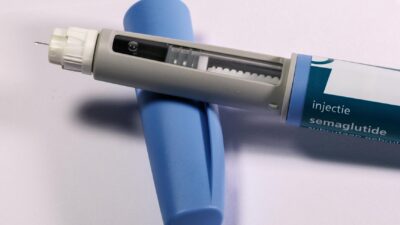
- GLP-1 receptor agonists (semaglutide, tirzepatide): Produce substantial weight loss that secondarily lowers insulin.
- SGLT2 inhibitors: Cause the kidneys to excrete glucose, indirectly reducing insulin demand.
Review your A1C numbers and overall picture with your clinician to determine whether medication is warranted. Explore the treatment hub for context on how lifestyle and medication options fit together.
Measuring Progress
Track progress with paired labs every three to six months. Meaningful reductions in fasting insulin and HOMA-IR are the clearest signs that insulin resistance is improving. Weight, waist circumference, and A1C are also useful. Avoid obsessing over a single measurement — trends across multiple time points matter more than any one reading.
What Does Not Work As Well As Advertised
A few strategies are popular but weakly supported:
- Apple cider vinegar: Small short-term effects on glucose; not a substitute for weight loss or exercise.
- Cinnamon supplements: Inconsistent trial results.
- Ketogenic diet long-term: Can lower insulin quickly, but adherence and cardiovascular effects are debated.
- Extreme fasting: Can produce short-term insulin drops but is difficult to sustain and may rebound.
The Bottom Line
Lowering insulin is ultimately about improving insulin sensitivity, and the pillars — modest weight loss, reduced refined carbs, regular activity (including resistance training), good sleep, and stress management — are consistent across decades of research. Medications can help in specific cases but work best alongside lifestyle change. Track progress with labs every three to six months, and work with a clinician to individualize the plan.
This article is for educational purposes only and is not a substitute for medical advice. Always consult your doctor before changing medications or starting a new exercise program.