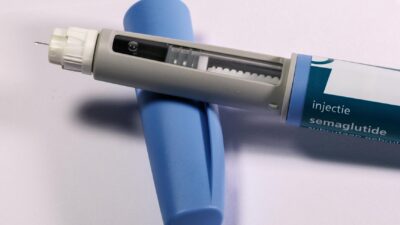
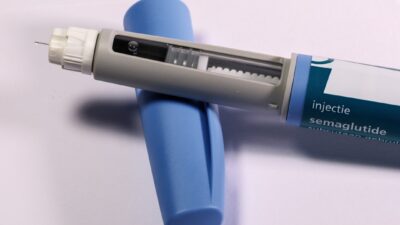
The FDA-labeled Zepbound starting dose is 2.5 mg injected under the skin once weekly for four weeks. This introductory dose is designed to help your body adjust to tirzepatide before your clinician escalates to a maintenance dose. Only a licensed prescriber can set, change, or pause doses for you.
Why Zepbound Starts Low
Zepbound contains tirzepatide, a dual GIP and GLP-1 receptor agonist that slows gastric emptying and alters appetite signals. Those actions can produce strong gastrointestinal effects, especially during the first weeks of therapy. The 2.5 mg starting dose is intentionally sub-therapeutic: it is not expected to produce significant weight change, but it introduces the medicine gradually to limit nausea, diarrhea, constipation, and vomiting.
The label explicitly states that the 2.5 mg dose is for treatment initiation and is not intended for chronic weight management. Your clinician will reassess after four weeks and decide whether to step up.
Standard Titration Schedule
FDA labeling outlines the following stepwise increase. Doses are escalated by 2.5 mg every four weeks until a maintenance dose is identified.
| Week | Weekly Dose | Purpose |
|---|---|---|
| 1-4 | 2.5 mg | Introduction; tolerability check |
| 5-8 | 5 mg | First therapeutic dose |
| 9-12 | 7.5 mg (optional step) | Intermediate step for tolerability |
| 13-16 | 10 mg | Common maintenance option |
| 17-20 | 12.5 mg (optional step) | Intermediate step before higher maintenance |
| 21+ | 15 mg | Maximum labeled maintenance dose |
Not everyone reaches 15 mg. Some patients respond well at 5 mg or 10 mg and stay there. Others need slower advancement or pauses at a step before the next increase.
Benefits of a Slow Start
In the SURMOUNT-1 trial, participants who completed full titration to 5 mg, 10 mg, or 15 mg had average body weight reductions of 15%, 19.5%, and 20.9% respectively after 72 weeks. Critically, side effect dropout rates were lowest among people who titrated slowly per label. A measured starting dose also:
- Reduces nausea and vomiting peaks
- Lowers dehydration risk (which can protect the kidneys)
- Gives your clinician time to check tolerability before committing to a higher dose
- Allows lifestyle changes (eating pattern, hydration, activity) to take root alongside therapy
Our nutrition guide offers eating strategies that complement GLP-1-class therapy, including smaller portions, adequate protein, and fiber timing.
Side Effects to Expect During the Starting Dose
According to the FDA label, the most common side effects at initiation are gastrointestinal. Most are mild to moderate and tend to decrease over weeks 2 to 4.
- Nausea is the most common early complaint and often peaks within 48 hours of injection.
- Diarrhea and constipation can both occur, sometimes alternating.
- Fatigue and injection-site irritation are less common but documented.
- Serious warnings include pancreatitis, gallbladder disease, severe GI reactions, and acute kidney injury from dehydration. A boxed warning addresses thyroid C-cell tumors.
Call your clinician promptly for severe abdominal pain, persistent vomiting, signs of dehydration, vision changes, or symptoms suggesting gallbladder problems. Read the full FDA Zepbound label for a complete warning list.
Monitoring and Lifestyle Alongside Titration
Clinicians often review weight, hydration status, GI symptoms, and glucose trends at each dose change. For adults with concurrent prediabetes or type 2 diabetes, A1C levels may be tracked to gauge metabolic response. If you live with insulin resistance or family history of diabetes, explore whether prediabetes is reversible to understand how lifestyle layers onto medical therapy.
When Clinicians Pause or Step Back
Several scenarios may lead a clinician to hold the starting dose longer or revert after escalation:
- Persistent nausea preventing hydration
- Suspected pancreatitis symptoms
- New gallbladder-related pain
- Significant dehydration or acute kidney injury signals
- Missed doses beyond four consecutive weeks, which may require re-titration from 2.5 mg
Do not adjust your own dose. Self-titration, splitting pens, or using unverified compounded tirzepatide from non-pharmacy sources increases safety risks and is not supported by the FDA label.
Medical disclaimer: This article is educational only and is not medical advice. Do not start, stop, or change any prescription medication without consulting a licensed clinician.
The Bottom Line
The Zepbound starting dose of 2.5 mg once weekly for four weeks is an onboarding step, not a maintenance dose. Expect a structured, clinician-led titration schedule with regular check-ins, dose adjustments tied to tolerability, and lifestyle supports to reinforce results. Communicate side effects early, respect the label, and let your prescriber guide every change.