The phrase “how I cured my insulin resistance” dominates wellness blogs, but clinicians rarely use the word “cure.” Insulin resistance is considered reversible or manageable — not curable in the permanent sense — because the underlying metabolic tendency can return if weight, diet, or activity habits slip. The good news: meaningful, lab-confirmed reversal is achievable for many people.
Why “Cured” Is the Wrong Word — and What Actually Happens
Insulin resistance develops when muscle, liver, and fat cells stop responding efficiently to insulin, forcing the pancreas to produce more of it. Over years, this can exhaust beta-cell function and lead to prediabetes and type 2 diabetes. When someone claims a cure, what usually happened is their cells regained sensitivity through reduced fat mass, improved muscle quality, or better sleep — but the underlying genetic and metabolic risk remains.
That distinction matters. A person who “cured” their insulin resistance through six months of exercise and calorie reduction is typically one regain of 15 pounds away from seeing labs drift again. Calling it remission, reversal, or long-term management is more accurate and helps people stay vigilant.
Evidence-Based Strategies That Improve Insulin Sensitivity
The landmark Diabetes Prevention Program trial, published in the New England Journal of Medicine in 2002, showed that intensive lifestyle intervention reduced progression from prediabetes to diabetes by 58 percent — outperforming metformin. The intervention centered on modest weight loss (7 percent of body weight) and 150 minutes of weekly moderate activity.
Key strategies consistently supported by research include:
- Weight loss of 5 to 10 percent — the single most powerful lever for improving insulin sensitivity in people with overweight or obesity.
- Resistance training — building muscle creates more insulin-sensitive tissue that clears glucose from the bloodstream.
- Aerobic exercise — 150 minutes weekly improves fasting insulin independent of weight loss.
- Reduced refined carbs and added sugars — lowers postprandial insulin spikes.
- Adequate sleep (7 to 9 hours) — even a few nights of sleep restriction measurably worsen insulin sensitivity.
What Lab Results Tell You About Progress
Online anecdotes rarely include actual numbers. A serious assessment uses repeated labs to confirm reversal.
| Marker | Insulin Resistant Range | Improved Range |
|---|---|---|
| Fasting insulin | >10 uIU/mL | <7 uIU/mL |
| Fasting glucose | 100-125 mg/dL | <95 mg/dL |
| HOMA-IR | >2.5 | <1.5 |
| A1C | 5.7-6.4% | <5.7% |
| Triglyceride/HDL ratio | >3.0 | <2.0 |
Seeing these numbers normalize across two separate blood draws over six months is a much stronger signal than any before-and-after photo. Learn more about A1C levels and what the numbers mean.
Where Medication Fits In
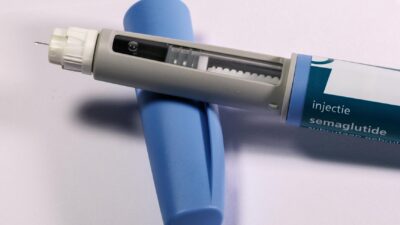
Metformin, GLP-1 receptor agonists (semaglutide, tirzepatide), and SGLT2 inhibitors can all improve insulin sensitivity or reduce the metabolic burden. According to the American Diabetes Association, metformin is commonly recommended for high-risk adults with prediabetes, particularly those with BMI over 35 or a history of gestational diabetes. But medications work best layered on top of lifestyle change — not as a substitute.
If your fasting insulin drops from 18 to 6 after starting a GLP-1 plus exercise, you have not been “cured” by the drug. You have produced a metabolic environment that lets cells respond to insulin again. Maintaining that environment is the real work.
Why Personal Stories Can Mislead
The “how I cured” genre skips survivorship bias. Readers see the person whose numbers normalized, not the hundreds who tried the same protocol and regained weight within two years. Published follow-up data from lifestyle intervention trials show that roughly 40 to 50 percent of participants maintain clinically significant improvement at five years — a meaningful outcome, but far from universal.
Treat testimonials as hypotheses worth discussing with your clinician, not prescriptions. Pair them with formal guidance from the prediabetes treatment hub.
Why Maintenance Matters More Than Initial Reversal
The harder challenge in insulin resistance is not reversing it — it is keeping it reversed. Published five-year follow-up from lifestyle intervention trials shows substantial regression to insulin resistance when participants regain weight or drift from activity patterns. Maintenance approaches that preserve gains tend to share common features: regular self-weighing, continued exercise structure, periodic lab checks, and clinician follow-up. Support from a dietitian, diabetes educator, or coach is often decisive in the transition from “I reversed this” to “I still have this under control two years later.” Treating reversal as an ongoing project, rather than a finish line, matches the biology.
The Bottom Line
You can meaningfully reverse insulin resistance with sustained lifestyle change — sometimes supported by medication — and labs can confirm the progress. But “cured” oversells the reality: the metabolic vulnerability usually remains. Focus on durable habits, track your numbers, and partner with a clinician who can adjust the plan as your body changes.
This article is for educational purposes only and is not a substitute for medical advice. Always consult your doctor before changing medications or starting a new exercise program.