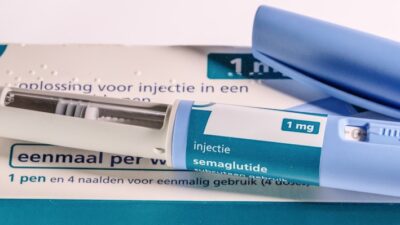
Tirzepatide dosage follows a structured titration schedule: 2.5 mg once weekly for the first four weeks, then an increase of 2.5 mg every four weeks as tolerated, up to a maximum of 15 mg weekly. The 2.5 mg starter dose is for tolerance only and is not considered therapeutic. Below is the full FDA-approved schedule for both brand names — Mounjaro (type 2 diabetes) and Zepbound (chronic weight management) — along with missed-dose rules and common adjustments.
What Tirzepatide Is
Tirzepatide is a once-weekly injectable dual agonist that activates both the GIP (glucose-dependent insulinotropic polypeptide) and GLP-1 (glucagon-like peptide-1) receptors. The FDA approved it as Mounjaro for adults with type 2 diabetes in May 2022 and as Zepbound for chronic weight management in November 2023. Both brands use identical active ingredient and identical dosing.
It is delivered by pre-filled, single-dose pen (for Zepbound, single-dose vials are also available). The injection is given subcutaneously into the abdomen, thigh, or upper arm once every seven days on the same day each week.
The FDA-Approved Tirzepatide Dosage Schedule
The schedule is identical whether the drug is prescribed for diabetes or weight management. The core principle: start low, go slow, and stop escalating when the patient reaches an effective, tolerated dose.
| Week | Weekly Dose | Purpose | Typical Role |
|---|---|---|---|
| 1-4 | 2.5 mg | Tolerance build-up | Starter only (not therapeutic) |
| 5-8 | 5 mg | First maintenance option | Continue if effective and tolerated |
| 9-12 | 7.5 mg | Step-up bridge | Intermediate dose |
| 13-16 | 10 mg | Second maintenance option | Continue if effective and tolerated |
| 17-20 | 12.5 mg | Step-up bridge | Intermediate dose |
| 21+ | 15 mg | Maximum dose | Only if lower doses insufficient |
Prescribers are expected to wait at least four weeks between dose increases. If the current dose is working and well-tolerated, there is no requirement to escalate further — many people stay at 5 mg or 10 mg long-term.
Why Titration Is So Important
Tirzepatide slows gastric emptying as part of its mechanism. That is also the main driver of nausea, vomiting, and abdominal discomfort, especially during dose changes. Escalating slowly gives the gut time to adapt. The FDA label notes that fewer than 7% of trial participants stopped due to side effects when the scheduled titration was followed.
Missed-Dose Rules
- Within 4 days of the scheduled dose: Take it as soon as you remember, then continue on your regular weekly schedule.
- More than 4 days late: Skip the missed dose. Take the next dose on the normally scheduled day.
- Never inject two doses within 72 hours of each other.
- If you miss more than one dose in a row, contact your prescriber — you may need to re-titrate.
Dose Adjustments for Combination Therapy
Hypoglycemia is uncommon with tirzepatide as monotherapy. It becomes a real concern when tirzepatide is combined with:
- Insulin: Prescribers often reduce basal insulin by 10-20% when starting tirzepatide and adjust further as glucose readings fall.
- Sulfonylureas (glipizide, glyburide, glimepiride): Dose reduction is typically considered.
- Meglitinides (repaglinide, nateglinide): Similar considerations as sulfonylureas.
Metformin, SGLT2 inhibitors, DPP-4 inhibitors, and other GLP-1 receptor agonists are not typically used with tirzepatide simultaneously; they either don’t cause hypoglycemia or belong to overlapping drug classes.
Special Populations
- Kidney impairment: No dose adjustment required by the label, but clinicians monitor more carefully — dehydration from vomiting or diarrhea can worsen kidney function.
- Liver impairment: No dose adjustment.
- Older adults: No specific dose adjustment, but slower titration is common in practice.
- Pregnancy and breastfeeding: Not recommended; use effective contraception if able to become pregnant.
- Pediatrics: Not approved for patients under 18.
Injection Technique Reminders
- Rotate injection sites among abdomen, thigh, and upper arm
- Inject on the same day each week; time of day does not matter
- Store unused pens in the refrigerator (36-46 F); do not freeze
- Once in use, pens can be kept at room temperature per label instructions
- Inspect the solution — it should be clear and colorless to slightly yellow
How Tirzepatide Fits Into a Broader Plan
Tirzepatide is paired with diet, physical activity, and clinical follow-up. For people with prediabetes — an earlier stage on the glucose spectrum — lifestyle change remains first-line and prediabetes is often reversible without medication. For type 2 diabetes or obesity, tirzepatide is one option within a broader treatment plan.
The Bottom Line
Tirzepatide dosage follows a deliberate, label-specified schedule: start at 2.5 mg weekly, step up by 2.5 mg every four weeks, stop at the lowest effective dose, and never exceed 15 mg weekly. Missed-dose rules, concurrent-medication adjustments, and slow titration are all there to balance efficacy against the gastrointestinal side effects this drug class is known for. Always work with a qualified clinician to personalize your dose and monitor response.
This article is educational and does not replace personalized medical advice.