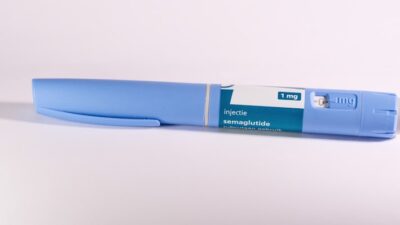
The FDA prescribing information for tirzepatide lists three approved subcutaneous injection sites: the abdomen, the front of the thigh, and the back of the upper arm. Each weekly dose of Mounjaro or Zepbound can be given in any of these regions, and rotation between them is the standard recommendation to keep absorption steady and skin reactions to a minimum.
What Counts as an Approved Tirzepatide Injection Site
Tirzepatide is a once-weekly GLP-1/GIP receptor agonist approved by the FDA for type 2 diabetes (Mounjaro) and chronic weight management (Zepbound). The medication comes as a single-dose pen or vial and is delivered into the layer of fat just under the skin, called the subcutaneous tissue. The label identifies three anatomical regions where that fat layer is thick enough and the blood supply predictable enough to support consistent absorption.
The abdomen is typically the most popular site. Users are instructed to stay at least two inches away from the navel and to avoid the waistband area where clothing pressure can cause irritation. The front or outer thigh is a second option, best used in the middle third of the leg between the hip and knee. The back of the upper arm is the third option, though self-injection there can be awkward without a mirror or a helper.
Comparing the Three Regions
While the FDA label notes that overall exposure is comparable across sites, subtle differences in circulation and subcutaneous fat thickness can influence how quickly a dose begins to act on appetite and glucose signaling. The table below summarizes general considerations; it is educational and not a directive for any specific person.
| Site | Typical ease of self-injection | General notes | Common user reports |
|---|---|---|---|
| Abdomen (2+ inches from navel) | Easiest for most adults | Consistent fat layer; easy to see and rotate | Mild stinging; occasional bruising |
| Front/outer thigh | Easy while seated | Useful if abdomen is sore or scarred | Can feel sharper due to nerve density |
| Back of upper arm | Hardest without help | Good rotation option; less visible scars | May require a mirror or partner |
Why Site Rotation Matters
Rotating injection sites is widely recommended across insulin and GLP-1 therapies. The American Diabetes Association has long emphasized that repeated injection in the same spot can cause lipohypertrophy, a firm nodule of thickened fatty tissue that absorbs medication unpredictably. Because tirzepatide is a weekly drug with a long half-life, inconsistent absorption from a damaged site can blunt effect or cause unexpected side-effect patterns.
Clinicians generally suggest dividing each region into quadrants and moving at least one inch within the same region between doses, while also alternating across regions over the month. Keeping a simple log — or using the reminder feature on a smartphone — helps avoid accidentally reusing the same spot. If the skin feels unusually firm, dimpled, or numb in one area, that site should be rested and reviewed with a clinician.
General Technique Points
Technique questions should always be directed to the prescribing clinician or pharmacist, who can demonstrate the pen and observe your first injection. In general, the FDA label and manufacturer guides emphasize several points: let the pen reach room temperature for a more comfortable injection, inspect the solution for particles, clean the skin with alcohol and allow it to dry, press the pen firmly against the skin at the recommended angle, and hold it in place until the full dose has been delivered. Dispose of the device in an FDA-cleared sharps container.
People who also inject insulin are usually advised to keep tirzepatide in a different subcutaneous region from their insulin rotation to simplify tracking. Anyone newly diagnosed with prediabetes or diabetes can learn more from our prediabetes overview, while those monitoring progress may find our A1C levels guide useful alongside any injectable therapy.
When to Call Your Clinician
Mild injection-site reactions — brief stinging, a small bruise, a bit of redness — are common and typically fade within a few days. Reactions that should prompt a call to the prescribing team include expanding redness or warmth, pus, fever, severe pain, a persistent firm lump, or numbness that does not resolve. Any signs of a broader allergic reaction such as facial swelling or difficulty breathing warrant emergency care rather than a routine call.
Tirzepatide can also cause systemic effects that are unrelated to site selection, including nausea, diarrhea, and changes in appetite. For comprehensive treatment context, users can discuss these patterns with their clinician rather than assuming the injection site is to blame.
External Guidance and Evidence
The most authoritative written source is the current FDA prescribing information for Zepbound and the parallel label for Mounjaro, both of which describe the approved sites, storage, and handling. General injection safety guidance is available through the CDC Injection Safety page. These resources do not replace personalized instructions from your clinician, but they are trustworthy starting points for patient education.
The Bottom Line
Tirzepatide can be injected into the abdomen, thigh, or back of the upper arm according to the FDA label, with weekly rotation to protect skin and support consistent absorption. Absorption differences between approved sites are minor for most people, and proper technique matters more than which specific region is used. Anyone starting therapy or troubleshooting a site problem should review their plan with the prescribing clinician rather than adjusting doses or sites on their own.
Medical disclaimer: This article is for educational purposes only and is not a substitute for advice from a qualified healthcare professional. Do not start, stop, or change any medication based on information in this article.