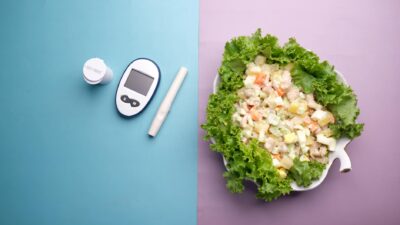
Traditional Chinese Medicine (TCM) treats diabetes as “xiao ke” or wasting-thirsting disease through herbal formulas, acupuncture, dietary therapy, qigong, and tuina massage. Evidence from systematic reviews suggests small fasting glucose reductions with some herbs such as astragalus, ginseng, and coptis, but trial quality is generally low. TCM is best used to complement — not replace — conventional diabetes care, and patients should choose NCCAOM-certified practitioners and laboratory-tested herbal products to reduce safety risks.
TCM’s Understanding of Diabetes
Classical Chinese medical texts dating back more than 2,000 years describe “xiao ke” — literally “wasting and thirsting” — a syndrome that closely matches diabetes mellitus as the term is used in modern medicine. TCM theory divides xiao ke into upper, middle, and lower forms depending on the predominant symptoms.
- Upper xiao ke — excessive thirst, dry mouth (lung heat pattern)
- Middle xiao ke — excessive hunger, weight loss (stomach heat pattern)
- Lower xiao ke — frequent urination, fatigue (kidney yin deficiency pattern)
TCM practitioners diagnose by interview, observation, pulse-taking at the wrist, and tongue inspection. The same Western diagnosis (type 2 diabetes) may receive different TCM pattern diagnoses, leading to individualized herbal formulas.
Common TCM Herbs for Diabetes
| Herb (Pinyin) | Botanical Name | Traditional Role | Active Compounds |
|---|---|---|---|
| Huang Qi (Astragalus) | Astragalus membranaceus | Tonify qi, strengthen spleen | Astragalosides, polysaccharides |
| Ren Shen (Ginseng) | Panax ginseng | Tonify yuan qi, generate fluids | Ginsenosides |
| Huang Lian (Coptis) | Coptis chinensis | Clear heat, dry damp | Berberine |
| Sheng Di Huang (Rehmannia) | Rehmannia glutinosa | Nourish yin, generate fluids | Catalpol, iridoids |
| Zhi Mu (Anemarrhena) | Anemarrhena asphodeloides | Clear heat, nourish yin | Mangiferin, timosaponins |
| Ku Gua (Bitter Melon) | Momordica charantia | Clear heat, drain dampness | Charantin, momordicin |
| Shan Yao (Chinese Yam) | Dioscorea opposita | Tonify spleen, kidney, lung | Allantoin, dioscin |
What the Evidence Shows
Systematic reviews and meta-analyses — including Cochrane reviews on Chinese herbal medicine for type 2 diabetes — generally report:
- Small reductions in fasting plasma glucose (often 10 to 25 mg/dL)
- Modest A1C reductions (often 0.3 to 0.6 percentage points)
- Improvements in some symptom scores
- Heterogeneous study quality, with concerns about randomization, blinding, and publication bias
- Short trial durations (typically 8 to 24 weeks)
Individual herb studies are similar — berberine (from coptis) has the strongest evidence among single ingredients, with several trials showing A1C reductions comparable to metformin in modest sample sizes. See our berberine overview for a deeper dive.
Acupuncture for Diabetes
Acupuncture is a separate TCM modality often used together with herbs. Common targets in diabetes practice include:
- Painful diabetic neuropathy — multiple small randomized trials suggest symptomatic improvement
- Gastroparesis — limited evidence for nausea and motility
- Stress reduction and sleep — secondary effects on glucose
- Weight regulation — auricular and body acupuncture as adjuncts
The NIH NCCIH considers acupuncture broadly safe when performed by a trained practitioner using sterile single-use needles. People with neuropathy or peripheral vascular disease should mention this so practitioners avoid sites with reduced sensation or healing capacity.
Other TCM Modalities
Dietary Therapy
- Foods classified by energetic properties (cooling, warming) and tastes
- Avoidance of excess sweet, greasy, or “damp-forming” foods
- Emphasis on whole grains, vegetables, and warming herbs
Qigong and Tai Chi
- Slow, meditative movement with breath regulation
- Several trials show small A1C reductions and improvements in fitness, balance, and quality of life
- Low-impact and accessible to older adults
Tuina (Chinese Massage)
- Manual therapy targeting acupuncture meridians
- Used adjunctively for circulation, pain, and stress
Safety Concerns
| Concern | Detail |
|---|---|
| Heavy metal contamination | Imported herbs have tested positive for lead, arsenic, mercury, and cadmium in independent studies |
| Pesticide residues | Non-organic herbal products can exceed regulatory limits |
| Undisclosed drug ingredients | FDA has flagged “all-natural” diabetes products containing unlisted glyburide, metformin, or sibutramine |
| Drug interactions | Ginseng, astragalus, and others may interact with insulin, sulfonylureas, warfarin, immunosuppressants |
| Hypoglycemia | Adding glucose-lowering herbs to insulin or sulfonylureas can trigger lows |
| Kidney and liver effects | Some herbs (aristolochia, certain rhubarb preparations) have caused nephrotoxicity and hepatotoxicity |
Finding a Credentialed Practitioner
- Licensed Acupuncturist (LAc) at the state level
- NCCAOM Diplomate in Acupuncture, Chinese Herbology, or Oriental Medicine
- Graduates of ACAOM-accredited schools (3 to 4 year master-level programs)
- Some MDs hold additional medical acupuncture certifications
- Look for diabetes-specific clinical experience and willingness to coordinate with your endocrinologist
Insurance and Access
- Medicare covers acupuncture only for chronic low back pain (no diabetes coverage)
- Some Medicaid programs cover acupuncture in limited states
- Private insurance coverage of acupuncture is expanding but inconsistent; herbal formulas are rarely covered
- Veterans Health Administration offers acupuncture for select conditions through whole-health programs
- Out-of-pocket session cost ranges roughly 60 to 150 dollars; herbal formulas 30 to 100 dollars per month
How TCM Fits With Conventional Diabetes Care
The most defensible role of TCM in diabetes management today is as a complementary practice — used alongside metformin, lifestyle change, blood pressure medication, and regular A1C monitoring. Conditions where TCM has the most plausible benefit include painful neuropathy, sleep and stress regulation, and quality-of-life support.
If you are considering TCM, talk with your diabetes provider before starting any new herb or formula. Bring the actual product label or formula list — many practitioners welcome a copy of the patient’s medications to design a non-interacting protocol. For broader context on complementary options, see our overviews of diabetes treatment and diet and nutrition.
Related Reading
Specific TCM-adjacent topics covered in this batch include acupuncture for diabetes, ayurveda for diabetes, berberine, and bitter melon. For the foundation of self-management, start with our guide to whether prediabetes is reversible.
The Bottom Line
Traditional Chinese Medicine offers a centuries-old framework for treating xiao ke (diabetes) through herbs, acupuncture, dietary therapy, and movement. Evidence supports small benefits for certain herbs (berberine especially) and symptomatic relief for neuropathic pain with acupuncture, but study quality is mixed and safety concerns around contamination, adulteration, and drug interactions are real. Patients interested in TCM should choose NCCAOM-credentialed practitioners, prefer laboratory-tested herbal products, and keep their primary care team informed. TCM may complement — but does not replace — A1C monitoring, prescribed medications, and lifestyle changes that remain the foundation of modern diabetes care.