Type II diabetes treatment combines lifestyle changes — diet, physical activity, weight management — with medications that lower blood sugar and reduce cardiovascular and kidney risk. A1C targets are individualized, typically under 7.0%. The right plan depends on your numbers, risk profile, and priorities.
The Four Pillars of Treatment
According to the ADA Standards of Care, a complete treatment plan covers:
- Glucose control through diet, activity, and medications.
- Cardiovascular risk reduction via blood pressure, lipids, and antiplatelet therapy when appropriate.
- Kidney and eye protection through annual screening and guideline-directed therapy.
- Mental health and quality of life — diabetes distress, depression, and financial barriers are common.
Medication alone will not achieve all four. Lifestyle always remains part of diabetes treatment.
Glucose Targets
| Metric | Typical Target |
|---|---|
| A1C (most non-pregnant adults) | Less than 7.0% |
| A1C (older adults, frail, limited life expectancy) | 7.5 to 8.5% |
| Fasting / pre-meal glucose | 80 to 130 mg/dL |
| Post-meal glucose (1-2 hours) | Less than 180 mg/dL |
| Time in range (if using CGM) | Greater than 70% |
Tighter targets (A1C closer to 6.5%) may be appropriate for younger, healthier people with no hypoglycemia history and short diabetes duration. Understanding your A1C levels helps you and your team set a realistic target.
Lifestyle Interventions
Nutrition
No single diet fits everyone. Patterns with evidence for type 2 diabetes include Mediterranean, DASH, plant-forward, and lower-carbohydrate approaches. Common elements:
- Non-starchy vegetables at most meals.
- Lean protein (fish, poultry, legumes, tofu).
- Whole grains over refined; portion attention to rice, pasta, bread.
- Healthy fats (olive oil, nuts, avocado).
- Minimal sugar-sweetened beverages.
A registered dietitian can personalize the plan. See our diet and nutrition hub for food-level guidance.
Physical Activity
The ADA recommends at least 150 minutes per week of moderate-intensity aerobic activity spread over three or more days, plus two or more sessions of resistance training. Breaking up sedentary time every 30 minutes further improves post-meal glucose.
Weight Management
Losing 5 to 10% of body weight can substantially improve insulin sensitivity and A1C. The NIDDK emphasizes that sustained weight loss often does more than any single medication. Larger losses (15%+) can produce remission in some people, particularly within five years of diagnosis.
Sleep, Stress, and Tobacco
Poor sleep worsens insulin resistance; chronic stress elevates cortisol and glucose; smoking amplifies cardiovascular risk. Addressing these is part of treatment, not separate from it.
Medication Classes
Metformin
First-line for most adults. Lowers A1C by about 1 to 2 percentage points, is weight-neutral or slightly weight-favorable, and has a long safety record. GI side effects are common but usually improve over weeks. Dose-adjust in kidney disease; avoid if eGFR is below 30.
GLP-1 Receptor Agonists
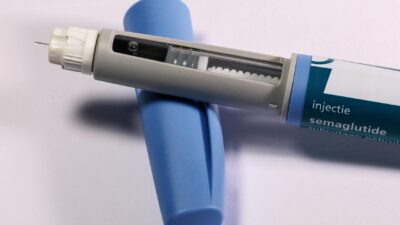
Semaglutide, dulaglutide, liraglutide, tirzepatide (a dual GIP/GLP-1 agonist). A1C reductions of 1 to 2 points plus meaningful weight loss. Preferred when cardiovascular disease or obesity is present. Typical side effects are GI; rare concerns include pancreatitis and gallbladder disease.
SGLT2 Inhibitors
Empagliflozin, dapagliflozin, canagliflozin, ertugliflozin. Lower A1C by about 0.6 to 1.0 points, promote modest weight loss, reduce blood pressure, and — most importantly — reduce heart failure hospitalization, slow chronic kidney disease, and lower cardiovascular death in people with those conditions. Watch for genital yeast infections, volume depletion, and rare diabetic ketoacidosis.
DPP-4 Inhibitors
Sitagliptin, linagliptin, saxagliptin, alogliptin. A1C reductions of 0.5 to 0.8 points, weight-neutral, low hypoglycemia risk. Good tolerability but fewer cardiovascular or renal benefits than GLP-1 agonists or SGLT2 inhibitors.
Sulfonylureas
Glipizide, glimepiride, glyburide. Inexpensive and effective (about 1 to 2 point A1C drop) but cause weight gain and hypoglycemia. Usually reserved for second or third line when cost is a barrier.
Thiazolidinediones (TZDs)
Pioglitazone. Improves insulin sensitivity and has cardiovascular benefit in people with insulin resistance, but causes weight gain, fluid retention, and bone loss.
Insulin
Eventually needed by some people as beta cell function declines. Basal insulin (glargine, degludec, detemir) once daily is the common starting point, with short- or rapid-acting insulin added if post-meal control is insufficient.
Where Each Class Fits
| Priority | Preferred Class |
|---|---|
| Cardiovascular disease | GLP-1 agonist or SGLT2 inhibitor |
| Heart failure | SGLT2 inhibitor |
| Chronic kidney disease | SGLT2 inhibitor; finerenone; GLP-1 agonist |
| Obesity / weight loss | GLP-1 agonist (especially semaglutide, tirzepatide) |
| Cost-conscious | Metformin, sulfonylurea, NPH insulin |
| Hypoglycemia concern | Metformin, GLP-1, SGLT2, DPP-4 |
Managing Other Risk Factors
- Blood pressure: Typically less than 130/80 mmHg. ACE inhibitors or ARBs are preferred in people with albuminuria.
- Cholesterol: Statins are recommended for most adults with type 2 diabetes ages 40 to 75, and often for others based on risk.
- Aspirin: Considered for secondary prevention (known cardiovascular disease); individualized for primary prevention.
- Vaccinations: Flu annually, pneumococcal, COVID-19, hepatitis B, RSV as age-appropriate.
Routine Screening Checklist
| Screen | Frequency |
|---|---|
| A1C | Every 3-6 months |
| Blood pressure | Every visit |
| Lipid panel | Annually |
| Kidney (urine ACR, eGFR) | Annually |
| Dilated eye exam | Annually (or as recommended) |
| Comprehensive foot exam | Annually; check feet daily at home |
| Dental exam | Twice yearly |
Common Myths About Type 2 Treatment
- “Starting insulin means you failed.” False. Type 2 progresses over time in many people, and insulin is simply another tool.
- “You can’t eat any carbs.” False. The amount and type of carbs matter more than elimination.
- “Exercise doesn’t help if you’re on medication.” False. Activity improves insulin sensitivity and cardiovascular outcomes regardless of drug therapy.
- “Herbal supplements are as good as medication.” Generally false. Some (cinnamon, berberine) have mild effects, but none replace proven therapies. Always tell your clinician what supplements you take.
When to Intensify Treatment
Consider intensification if A1C is above target after three months of a given regimen, if you have recurrent hyperglycemia symptoms, or if cardiovascular or kidney disease develops. Add medications one at a time so you can tell which is helping and which is causing side effects.
When to De-Intensify
Older adults, those with hypoglycemia, and those who have lost significant weight may need medication reduction. A1C below 6.5% on sulfonylureas or insulin, or recurrent lows, suggests the regimen is too intense.
The Bottom Line
Type II diabetes treatment today is more personalized than ever. Lifestyle remains the foundation, but modern medications — particularly GLP-1 agonists and SGLT2 inhibitors — can improve glucose, weight, heart, and kidney outcomes together. Build a plan with your care team, review it at least twice a year, and adjust as life changes. Treatment is not about perfection; it is about keeping A1C, blood pressure, lipids, and weight trending in directions that protect your long-term health.