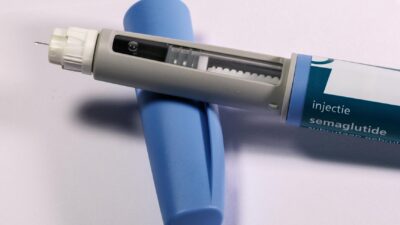
What to eat on semaglutide comes down to three priorities: enough protein to protect muscle, low-fat and smaller-volume meals to limit nausea, and steady hydration plus fiber to prevent constipation. The medication reduces appetite and slows gastric emptying, so every bite needs to earn its place by delivering protein, fiber, or micronutrients.
The Core Nutrition Framework
Semaglutide creates a sustained calorie deficit by lowering hunger. That deficit is only healthy if you still meet protein and micronutrient targets. A reasonable protein goal is 0.6 to 0.8 grams per pound of goal body weight, distributed across three to four meals of 25 to 40 grams each. Under-eating protein during rapid weight loss accelerates loss of lean mass, which slows metabolism long term.
Carbohydrates should come mostly from vegetables, legumes, fruit, and minimally processed whole grains. Fats should lean toward monounsaturated and omega-3 sources — olive oil, avocado, nuts, salmon — but in smaller portions than pre-therapy because dietary fat slows gastric emptying further and worsens nausea.
Foods That Work Well on Semaglutide
| Category | Good Choices | Why It Helps |
|---|---|---|
| Lean protein | Chicken breast, turkey, cod, shrimp, eggs, tofu, Greek yogurt | High satiety, preserves muscle, low fat reduces nausea |
| Vegetables | Leafy greens, zucchini, bell peppers, broccoli, tomatoes | Fiber and micronutrients with low calorie density |
| Complex carbs | Oats, quinoa, sweet potato, beans, berries | Steady glucose, supports gut function |
| Healthy fats (small amounts) | Olive oil, avocado, almonds, chia seeds | Supports nutrient absorption; limit portions to reduce GI load |
| Hydration | Water, unsweetened tea, broth, sparkling water | Prevents constipation and dehydration |
Foods to Limit or Avoid
Greasy fried foods, cream-based dishes, large meat portions, and oversized restaurant meals consistently trigger nausea. Sugary desserts, alcohol on an empty stomach, and very spicy foods can also cause symptoms. Carbonated beverages add gastric volume and gas that amplify fullness. Ultra-processed snacks often pack calories without protein, making it harder to hit daily targets in a low-appetite state.
If you experience “sulfur burps” — a frequently reported semaglutide side effect — foods high in sulfur such as eggs, cruciferous vegetables, red meat, and dairy may worsen the symptom for some people. Rotating protein sources and eating slightly smaller portions can help.
Meal Timing and Portion Strategy
Most people do better with three smaller meals plus one optional protein-rich snack rather than one or two large meals. Eat slowly. Stop at the first sign of fullness, which may arrive sooner than you expect. If nausea appears during a meal, pause, sip water, and return to food only if it subsides. Pushing through fullness increases the chance of vomiting and sets up food aversions.
On injection day, some people prefer lighter, simpler meals for 24 to 48 hours when GI side effects peak. As you adapt to a new dose, normal variety usually returns. Building consistent meal times also helps anchor daily habits that complement the overall treatment approach.
Protein Targets Without Overeating
- Breakfast: Greek yogurt with berries and chia, or two eggs with spinach — about 20-30 grams of protein.
- Lunch: grilled chicken salad with beans and olive oil, or lentil soup with turkey — 30-40 grams.
- Dinner: baked salmon with roasted vegetables and quinoa, or tofu stir-fry — 25-35 grams.
- Snack (optional): cottage cheese, protein shake with water, or edamame — 15-20 grams.
A protein shake blended with water (not milk, which slows emptying more) can rescue a day when solid food feels impossible. Bone broth adds sodium and small amounts of protein that help when nausea is peaking.
Managing Constipation and Hydration
Slower gastric emptying, lower food volume, and reduced fluid intake combine to cause constipation for many people on semaglutide. Aim for 60 to 90 ounces of fluid daily, depending on body size and activity. Fiber targets remain 25 to 35 grams per day, but increase gradually — suddenly adding a large bowl of beans on top of reduced intake can trigger bloating. A daily serving of berries, a few tablespoons of chia or flax, and cooked vegetables at lunch and dinner meet fiber goals without overwhelming the gut.
Special Situations
If you take insulin or a sulfonylurea, coordinate meal carbohydrate content with your prescriber because lower appetite can increase hypoglycemia risk. For people with prediabetes who also carry excess weight, the semaglutide appetite reduction is a window to build diet and nutrition habits that will outlast the medication. According to the American Diabetes Association, lifestyle change remains central even when pharmacotherapy is in use.
The Bottom Line
Eating well on semaglutide means getting enough protein, hydrating consistently, and choosing lower-fat, moderate-portion meals that sit comfortably in a slower-emptying stomach. Focus on whole foods, track protein rather than calories in the first months, and build routines that will survive the eventual taper or maintenance phase. Always coordinate meal planning with your healthcare team if you take other glucose-lowering medications.
Medical disclaimer: This article is for educational purposes only and does not replace professional nutrition or medical advice. Consult your prescriber and, when possible, a registered dietitian for personalized guidance.