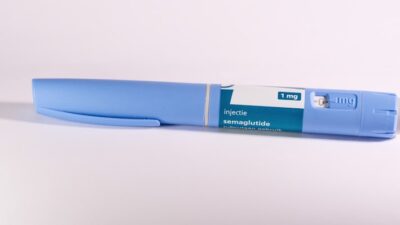
Zepbound 5mg is the first maintenance dose in the FDA-labeled tirzepatide titration schedule for chronic weight management. People typically reach 5 mg after four weeks at the 2.5 mg initiation dose. At 5 mg, many people see meaningful appetite and weight changes, though higher doses were used in pivotal trials for peak efficacy.
What Zepbound Is
Zepbound is the FDA-approved brand name of tirzepatide for chronic weight management in adults with obesity or overweight plus a weight-related condition. Tirzepatide activates two gut hormone receptors, GLP-1 and GIP, which slows gastric emptying, reduces appetite, and improves glucose handling.
Where 5 mg Fits in the Schedule
According to the FDA label for Zepbound, tirzepatide is started at 2.5 mg weekly for four weeks as an initiation dose. The labeled first maintenance dose is 5 mg weekly. From there, the label allows increases in 2.5 mg increments no sooner than every four weeks, up to a maximum labeled maintenance dose of 15 mg weekly.
| Step | Dose | Duration | Purpose |
|---|---|---|---|
| Initiation | 2.5 mg weekly | 4 weeks | Tolerability, not maintenance |
| Maintenance 1 | 5 mg weekly | 4+ weeks | First therapeutic maintenance dose |
| Titration | 7.5 mg, 10 mg, 12.5 mg weekly | 4+ weeks each | Further response if needed |
| Max maintenance | 15 mg weekly | Ongoing | Maximum labeled dose |
What Happens at 5 mg
At 5 mg, most people notice stronger appetite suppression than at 2.5 mg and may see meaningful weight changes over the following weeks. In the SURMOUNT-1 trial, the 5 mg arm produced about 15 percent average weight loss over 72 weeks, compared with about 19.5 percent at 10 mg and 20.9 percent at 15 mg. This is based on continued use, not a single month at 5 mg.
Benefits Often Seen at the 5 mg Step
- Reduced hunger between meals
- Earlier satiety during meals
- Steadier blood sugar for people with type 2 diabetes, though Zepbound is labeled for weight, not diabetes
- Gradual weight reduction when paired with nutrition and activity changes
- Improvements in related markers such as blood pressure and lipids, on average, in trials
Side Effects During the Step to 5 mg
Because 5 mg is a step up from 2.5 mg, gastrointestinal symptoms may briefly intensify. Common side effects include nausea, diarrhea, constipation, vomiting, and abdominal pain. Most are mild to moderate and improve within one to two weeks at the new dose. Serious but less frequent warnings apply across all tirzepatide doses.
Serious Warnings to Keep in Mind
The Zepbound label includes warnings for pancreatitis, gallbladder disease, acute kidney injury from dehydration, hypersensitivity reactions, severe gastrointestinal disease, diabetic retinopathy complications in people with diabetes, and a boxed warning for thyroid C-cell tumors based on rodent studies. Not everyone is a candidate; people with a personal or family history of medullary thyroid carcinoma or MEN 2 should not use tirzepatide.
Is 5 mg Your Final Dose?
For some people, 5 mg is a transition to a higher dose. For others, it becomes a long-term maintenance dose if weight and metabolic goals are met with acceptable side effects. Your clinician evaluates response, tolerability, lab work, and goals to decide whether to advance. Do not change the dose on your own, and do not skip follow-up appointments.
Practical Tips at 5 mg
- Keep a consistent injection day; if you miss a dose, follow label instructions for timing.
- Rotate injection sites between the abdomen, thigh, and upper arm.
- Eat smaller meals, especially in the first days after the step-up.
- Stay hydrated; watch for dehydration if you have significant GI symptoms.
- Keep a simple symptom log to share with your clinician.
How 5 mg Fits With Lifestyle Change
Medication works best alongside sustainable changes. Review our diet and nutrition hub for practical meal patterns that pair well with GLP-1 therapy. If you are exploring Zepbound because of a rising A1C, our A1C levels guide explains interpretation. For broader strategies, see our treatment and reversibility overviews.
Cost and Access Considerations
Zepbound is a brand-name medication and is often expensive without insurance. Insurance coverage for weight-management drugs is improving but remains uneven. Manufacturer savings programs may help eligible patients. Ask your prescriber and pharmacist about the specific cost for the 5 mg pen in your plan, and whether prior authorization is required.
Questions to Ask at the Step-Up
- How will we decide whether to stay at 5 mg or move higher?
- What side effects should prompt me to call your office?
- Do I need any lab work before titrating further?
- How will we evaluate progress – weight, waist, labs, or all of the above?
Storage and Injection Basics
Zepbound pens are typically stored in the refrigerator until used, with a shorter labeled window at room temperature. Each single-dose pen contains one weekly dose. Do not share pens or needles, even with family members. Dispose of used pens in an FDA-approved sharps container, not household trash.
The Bottom Line
Zepbound 5 mg is the first maintenance dose after four weeks at the 2.5 mg initiation dose. It is where many people first feel meaningful appetite and weight effects, though higher doses were used for maximum efficacy in trials. Stay on the titration plan your clinician gives you, watch for side effects, and keep follow-up visits so progress and safety are reviewed together. This article is educational and not medical advice.
Sources and References
- FDA label for Zepbound (tirzepatide) injection
- FDA label for Mounjaro (tirzepatide) injection
- NEJM – Tirzepatide Once Weekly for the Treatment of Obesity (Jastreboff et al., 2022) – SURMOUNT-1
- NIDDK – Prescription Medications to Treat Overweight and Obesity