If you are researching Mochi semaglutide, you are likely comparing telehealth options for GLP-1 weight-management care. Mochi Health is a U.S. telehealth company that focuses on weight management and offers virtual visits with licensed clinicians. This article is informational only and is not an endorsement; always verify licensure, medication type, and safety details directly with any program.
What Mochi Health Is
Mochi Health is a telehealth platform that connects patients with licensed clinicians for evaluation and, when appropriate, treatment of obesity and related conditions. Like other U.S. telehealth services, it operates under state medical licensure rules and pharmacy regulations. Treatment plans may include nutrition and behavior coaching, lab monitoring, and prescription medications such as GLP-1 agonists.
Where Semaglutide Fits In
Semaglutide is a GLP-1 receptor agonist approved by the FDA for type 2 diabetes (Ozempic, Rybelsus) and for chronic weight management (Wegovy). It is prescription-only. Some telehealth companies have also offered compounded semaglutide during periods when FDA shortage status allowed pharmacies to prepare it under specific rules. Status can change, so the product dispensed today may differ from what was dispensed a year ago.
Branded Versus Compounded Semaglutide
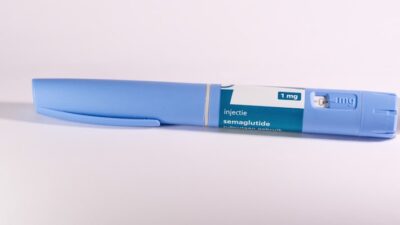
Understanding what kind of semaglutide you would receive is essential. Branded semaglutide is manufactured under FDA oversight and sold in pre-filled pens that dial in milligrams directly. Compounded semaglutide is mixed by a compounding pharmacy and is not FDA-approved. Concentrations, salt forms, and excipients can differ from branded pens.
| Attribute | Branded (Wegovy, Ozempic) | Compounded |
|---|---|---|
| FDA approval | Yes | No |
| Delivery form | Pre-filled pen, dose in mg | Often vial and syringe, unit-based measurement |
| Concentration | Standardized per label | Varies by pharmacy |
| Cost (cash) | Higher sticker price | Often lower |
| Insurance coverage | Possible with prior authorization | Generally not covered |
How a Telehealth Visit Typically Works
A legitimate telehealth program generally follows these steps: identity verification, medical history intake, a synchronous or asynchronous clinician evaluation, review of labs or prior records, prescribing decision, pharmacy dispensing, and scheduled follow-up. Support for side-effect management and dose adjustments is a sign of a serious clinical program.
What the FDA Says About GLP-1 Programs
The FDA has cautioned consumers about unapproved GLP-1 products sold online, including counterfeit semaglutide, salt forms such as semaglutide sodium not found in approved drugs, and sellers that distribute the drug without a prescription. Any program – whether Mochi, a competitor, or a local clinic – should be transparent about what is dispensed and from where.
Side Effects to Expect on Semaglutide
Regardless of which telehealth company prescribes it, semaglutide side effects come from the drug itself. Common effects include:
- Nausea, especially during titration
- Diarrhea or constipation
- Vomiting, usually at higher doses or after heavy meals
- Abdominal pain or reflux
- Decreased appetite and early satiety
- Injection-site reactions
Serious warnings on the Wegovy and Ozempic labels include pancreatitis, gallbladder disease, kidney injury from dehydration, hypersensitivity reactions, and a boxed thyroid C-cell tumor warning based on rodent studies.
Questions Worth Asking Before Enrolling
- Is the prescribing clinician licensed in my state?
- Will I receive FDA-approved Wegovy or compounded semaglutide?
- Which pharmacy will dispense the medication, and is it state-licensed?
- What initial lab work or records are required?
- How do I reach a clinician for side effects?
- What are the total monthly costs, including visits, medications, and shipping?
- What happens if I need to stop or switch?
Cost and Coverage Considerations
Cash prices for branded semaglutide can exceed a thousand dollars monthly without insurance or manufacturer programs. Compounded options are often cheaper but carry different regulatory considerations. Some insurers cover Wegovy for obesity when prior authorization criteria are met; Medicare coverage for weight-loss medications is evolving. Ask any telehealth platform for a plain-English cost breakdown.
How GLP-1 Therapy Fits Into Broader Care
GLP-1 medications are one tool in a longer plan. If your goal is to prevent progression to type 2 diabetes, nutrition and activity changes remain central. Our prediabetes overview, diet and nutrition hub, and treatment overview can help you set expectations. If you are evaluating progress, our A1C levels guide explains how to interpret lab changes.
When Telehealth May Not Be Enough
Some patients need in-person evaluation, including those with complex GI histories, advanced kidney or liver disease, or unstable mental health conditions. A good telehealth program recognizes its limits and refers out when appropriate. If your situation is complex, an in-person clinician or an integrated obesity medicine practice may be a better fit.
The Bottom Line
Mochi Health is one of several telehealth platforms that may prescribe semaglutide for eligible patients. Whether a telehealth program fits you depends less on marketing and more on fundamentals: clinician licensure, real evaluation, clear product sourcing, side-effect support, and transparent pricing. Ask direct questions and compare answers. This article is educational and not medical advice or an endorsement of any vendor.