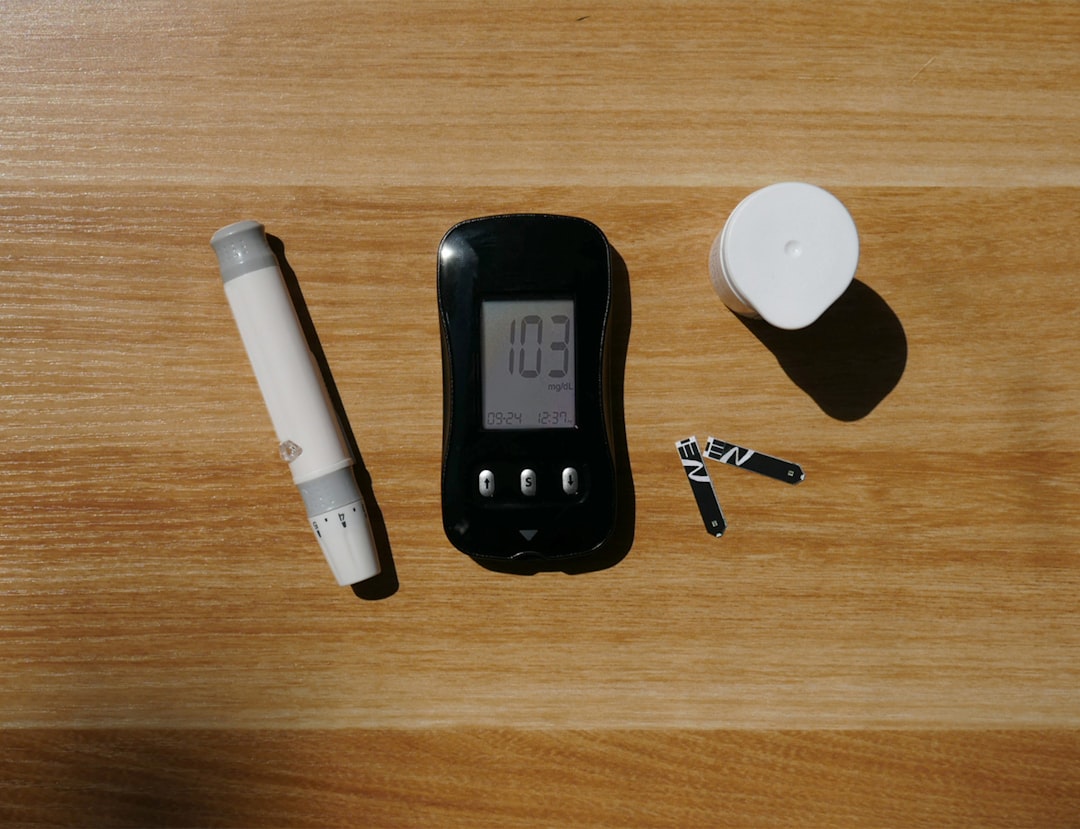
Prediabetes and high blood pressure are closely linked – about half of adults with prediabetes also have elevated blood pressure. Both conditions share a common root in insulin resistance, and together they dramatically raise the risk of heart attack, stroke, and kidney disease. Controlling them as a pair is far more protective than addressing either one alone.
Why the Two Travel Together
Insulin does more than regulate blood sugar. It also influences sodium handling in the kidneys, constricts small blood vessels, and activates the sympathetic (fight-or-flight) nervous system. When cells become resistant to insulin, the pancreas compensates by producing more – and those elevated insulin levels push blood pressure up through multiple pathways:
- Kidneys retain more sodium and water, expanding blood volume
- Arterial walls stiffen and constrict more readily
- Sympathetic nervous system activity rises, increasing heart rate and peripheral resistance
- Low-grade inflammation damages the endothelium (blood vessel lining)
The result: elevated blood pressure often appears alongside – or even before – abnormal blood sugar. Both are pillars of metabolic syndrome, along with abdominal obesity, high triglycerides, and low HDL cholesterol.
Understanding the Numbers
| Category | Systolic (mmHg) | Diastolic (mmHg) |
|---|---|---|
| Normal | < 120 | < 80 |
| Elevated | 120 – 129 | < 80 |
| Stage 1 hypertension | 130 – 139 | 80 – 89 |
| Stage 2 hypertension | ≥ 140 | ≥ 90 |
| Hypertensive crisis | > 180 | > 120 |
The American Heart Association guidelines are based on these thresholds. For people with prediabetes, the commonly recommended target is below 130/80 mmHg, reflecting the elevated cardiovascular risk carried by the combination.
Why the Combination Is More Dangerous
High blood pressure and elevated blood sugar damage the vascular system through different but overlapping mechanisms. High glucose promotes advanced glycation end-products (AGEs) that stiffen arteries; high blood pressure mechanically stresses those same vessels. When they occur together, damage accelerates in:
- Heart: Higher rates of heart attack, heart failure, and atrial fibrillation.
- Brain: Increased risk of stroke and vascular cognitive decline.
- Kidneys: Faster decline in filtration rate and earlier albuminuria – see our article on prediabetes and kidney disease.
- Eyes: Higher risk of retinopathy and vein occlusion.
- Legs: Peripheral artery disease and non-healing wounds.
How to Screen and Monitor
Blood pressure should be measured at every doctor visit. Because in-office readings can be falsely high (white-coat hypertension) or falsely low, home monitoring is increasingly recommended for anyone with borderline or confirmed hypertension. Useful practices:
- Use a validated upper-arm cuff, not a wrist cuff
- Sit quietly for 5 minutes before measuring, feet flat, back supported
- Take two readings a minute apart, morning and evening, for one week
- Average the readings (excluding the first day) to get a representative number
Lifestyle Changes That Help Both
1. DASH-Style Eating
The DASH (Dietary Approaches to Stop Hypertension) pattern emphasizes vegetables, fruits, whole grains, low-fat dairy, legumes, and lean protein while minimizing red meat, added sugar, and sodium. In randomized trials, DASH lowers systolic blood pressure by 8 to 14 mmHg. It also improves insulin sensitivity, making it a natural fit for prediabetes nutrition.
2. Sodium Reduction
Cutting sodium to under 2,300 mg daily (or 1,500 mg for salt-sensitive individuals) lowers systolic pressure an additional 2 to 8 mmHg. Most dietary sodium hides in bread, deli meat, canned soup, and restaurant food.
3. Potassium-Rich Foods
Potassium counterbalances sodium. Good sources include leafy greens, beans, bananas, avocados, sweet potatoes, and plain yogurt. If you have kidney disease, ask your doctor about personal potassium limits.
4. Regular Aerobic Exercise
150 minutes per week of moderate-intensity aerobic activity reduces systolic blood pressure by about 5 mmHg and improves A1C by 0.3 to 0.5 percentage points.
5. Weight Loss
Every 2 pounds lost drops systolic blood pressure by roughly 1 mmHg. A 5 to 10 percent weight reduction often makes the difference between medication and lifestyle-only management.
6. Sleep and Stress
Poor sleep and unmanaged stress raise both cortisol and sympathetic nervous system activity, worsening both blood pressure and insulin resistance. Target 7 to 9 hours of sleep and build in daily recovery time.
7. Limit Alcohol and Stop Smoking
Keep alcohol to a maximum of one drink per day for women or two for men. Smoking cessation lowers blood pressure within weeks and reduces cardiovascular risk substantially over time.
Medication Considerations
When lifestyle alone is insufficient, several blood pressure medication classes are safe – and some are especially helpful – for people with prediabetes:
- ACE inhibitors and ARBs: Often first choice because they protect kidneys and have neutral to favorable metabolic effects.
- Calcium channel blockers: Metabolically neutral and effective, especially in older adults.
- Thiazide diuretics: Effective at low doses; higher doses may slightly worsen glucose tolerance.
- Beta-blockers: Usually reserved for specific indications like coronary disease; some older ones can reduce insulin sensitivity.
Medication choice is individualized – consult your doctor about what fits your broader health picture.
The Bottom Line
Prediabetes and high blood pressure are two sides of the same metabolic coin. Treating them together – with weight management, a DASH-style diet, regular movement, adequate sleep, and, when needed, the right medications – delivers compounding benefits. If you have prediabetes, ask about your blood pressure at every visit and consider a home monitor. For trusted patient-level guidance, the American Heart Association high blood pressure center and the NHLBI DASH eating plan are worth bookmarking. To address the metabolic side, see our prediabetes treatment overview.