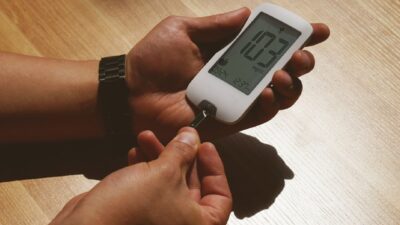
A 128 blood sugar reading sits at a crossroads: if you were fasting, 128 mg/dL is inside the prediabetes zone and one notch below the diabetes threshold; if it was taken after a meal, 128 is generally acceptable for most adults. What matters is timing, repetition, and the full clinical picture.
How to Read a 128 mg/dL Result
Blood glucose numbers only make sense in context. A 128 mg/dL reading two hours after a bowl of oatmeal is expected physiology. The same 128 first thing in the morning, with nothing to eat or drink since the night before, is a yellow flag that deserves a follow-up lab test. Single readings cannot diagnose diabetes on their own.
The American Diabetes Association uses defined cutoffs for fasting plasma glucose. Below 100 mg/dL is considered normal, 100 to 125 falls in the prediabetes range, and 126 or higher on two separate tests meets the diagnostic criterion for diabetes. A fasting 128 sits one unit past that boundary.
ADA Reference Ranges for Fasting and Post-Meal Glucose
The table below summarizes the ADA diagnostic thresholds and where a 128 mg/dL value fits for each common test type. These apply to non-pregnant adults; pregnancy and certain illnesses shift the cutoffs.
| Test Type | Normal | Prediabetes | Diabetes | Where 128 Falls |
|---|---|---|---|---|
| Fasting plasma glucose | Below 100 mg/dL | 100-125 mg/dL | 126 mg/dL or higher | Just past diabetes cutoff |
| 2-hour post-meal | Below 140 mg/dL | 140-199 mg/dL | 200 mg/dL or higher | Within normal range |
| Random (any time) | Below 140 mg/dL | 140-199 mg/dL | 200 mg/dL or higher with symptoms | Normal range |
| Oral glucose tolerance (2-hour) | Below 140 mg/dL | 140-199 mg/dL | 200 mg/dL or higher | Normal range |
Why One Number Does Not Equal a Diagnosis
Diagnosing prediabetes or diabetes requires either a confirming second test, a clearly elevated A1C, or a symptomatic reading with values well above threshold. The CDC’s diagnostic guidance emphasizes that variability in lab draws, meter accuracy, and daily physiology means a single reading cannot label you.
For a fuller picture on screening, read our guides to A1C levels and prediabetes overall. A1C reflects average glucose over two to three months and smooths out the noise of any single fingerstick.
What Can Push a Single Reading to 128
Many ordinary variables can tilt a glucose value upward by 10 to 30 points. A few to consider before assuming the worst:
- Eating carbohydrate within the last two to three hours, including juice or sweetened coffee
- Poor sleep the night before the test
- Acute illness, infection, or high fever
- Stress and elevated cortisol
- Medications such as steroids, beta-blockers, and some antipsychotics
- Dehydration, which concentrates blood solutes
- Improper fingerstick technique, such as not washing hands before testing
Steps to Take After a 128 Reading
If you saw 128 mg/dL at home and it was taken fasting, the most useful next step is a lab-based confirmation rather than worry. A fasting plasma glucose at a clinical lab, paired with an A1C, gives your clinician the data needed to classify risk. For strategy on what to change if prediabetes is confirmed, see our diet and nutrition resources and our reversal guide.
How Accurate Is a Home Meter at 128?
FDA guidance allows home meters to read within plus or minus 15 percent of a reference lab value at glucose levels at or above 75 mg/dL. At 128 mg/dL, that means the true value could reasonably be anywhere from about 109 to 147 mg/dL. That tolerance is another reason to rely on trend data, not single numbers, when your reading hovers near a threshold.
When to Call Your Clinician
Call a clinician promptly if any of the following apply alongside a 128 reading: unexplained weight loss, frequent urination, persistent thirst, blurry vision, numbness in the feet, or slow-healing wounds. Those symptoms are listed on the American Diabetes Association’s diagnostic criteria and raise the urgency of workup considerably.
The Bottom Line
A 128 mg/dL blood sugar reading is reassuring after a meal and worth a closer look if fasting. Because one value cannot confirm a diagnosis, the right response is to repeat the test in a controlled setting, pair it with A1C, and discuss the results with your clinician. This article is educational and is not medical advice.