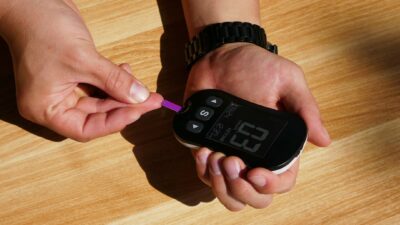
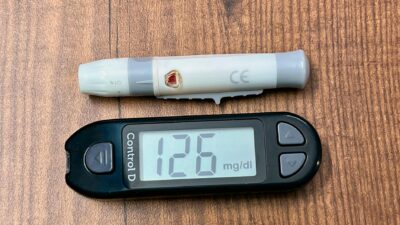
A 130 blood sugar reading is usually normal when taken one to two hours after a meal, but it sits in the prediabetes zone when measured fasting. The meaning of the number depends on when you tested, what you ate, and whether similar values show up on other days. A single 130 mg/dL reading is not a diagnosis, but repeated fasting values in that range deserve a conversation with your clinician.
What 130 mg/dL Means by Context
Blood sugar fluctuates through the day. The American Diabetes Association classifies fasting glucose based on a morning test taken after at least eight hours without food. Under 100 mg/dL is normal, 100 to 125 mg/dL is prediabetes, and 126 mg/dL or higher on two separate days defines diabetes. After meals, targets are different. A non-diabetic adult typically peaks below 140 mg/dL two hours after eating, so a 130 mg/dL post-meal reading is not unusual and is not a sign of disease.
This is why context changes everything. A 130 mg/dL reading 90 minutes after pasta is unremarkable. The same value first thing in the morning before breakfast is a yellow flag worth tracking.
130 in a Glucose Target Table
| Test Time | Normal | Prediabetes / Elevated | Diabetes Range |
|---|---|---|---|
| Fasting (8 hours no food) | Under 100 mg/dL | 100 to 125 mg/dL | 126 mg/dL or higher |
| Two hours after a meal | Under 140 mg/dL | 140 to 199 mg/dL | 200 mg/dL or higher |
| Random (any time) | Usually under 140 mg/dL | 140 to 199 mg/dL | 200 mg/dL or higher with symptoms |
| A1C | Under 5.7 percent | 5.7 to 6.4 percent | 6.5 percent or higher |
Reading the table, a 130 fasting value lands in prediabetes. A 130 post-meal value sits in the normal range. An A1C check confirms the longer-term picture.
Why Fasting Numbers Drift Upward First
Fasting glucose creeps up when the liver releases too much sugar overnight or when insulin sensitivity declines. People with early insulin resistance often see fasting values rise before post-meal values do. That is why repeated fasting readings near 100 to 130 mg/dL are a common first clue of prediabetes, even if daytime readings still look normal.
The CDC recommends routine diabetes screening for adults at average risk starting at age 35, and earlier for people with obesity, family history, gestational diabetes history, or other risk factors. If home values hint at prediabetes, ask for the A1C test or a fasting plasma glucose as a confirmation.
What Raises Blood Sugar to 130
Common causes of a 130 mg/dL reading include recent carbohydrate intake, especially refined grains and sweetened drinks, stress and poor sleep, dehydration, corticosteroid use, infection or illness, and skipped activity after a meal. In people with prediabetes, fasting readings near 130 can follow late-night snacking, alcohol, or inconsistent medication.
A single spike is not damaging on its own. What matters is the pattern. Readings that repeatedly hit 130 mg/dL or more at the same time of day suggest something worth adjusting, whether it is meal timing, medication, or exercise.
Quick Steps If You See a 130
If you were not expecting a 130, retest with a fresh strip and clean hands. Wash first, dry thoroughly, and use the second drop of blood to avoid contamination from food residue. A short walk of 10 to 20 minutes after meals has been shown to soften post-meal peaks. Drinking water helps if you are dehydrated. Avoid reacting with a single dramatic change in medication or food without input from your clinician.
Longer-term levers matter more. Regular activity, balanced meals that pair carbs with protein and fiber, consistent sleep, and stress management all help lower fasting values. Many people with early prediabetes can return fasting glucose to normal through those steps.
How 130 Blood Sugar Relates to A1C
A1C reflects average blood sugar over the previous two to three months. A fasting glucose that averages around 130 mg/dL tends to translate into an A1C near 6.0 to 6.2 percent, which is firmly in the prediabetes band of 5.7 to 6.4 percent. If your fasting glucose is often that high but your A1C still reads normal, ask about repeating the test. Conditions such as anemia or certain hemoglobin variants can skew A1C values. Understanding your A1C levels alongside meter readings gives a fuller picture than either number alone.
When to Call Your Clinician
Call sooner rather than later if fasting readings repeatedly hit 130 mg/dL, if post-meal readings stay above 180 mg/dL two hours after eating, or if you have symptoms such as unusual thirst, frequent urination, blurred vision, or unexplained weight changes. People already diagnosed with prediabetes or diabetes should review meter logs with their clinician at least once a year, and sooner if trends shift.
The Bottom Line
A 130 blood sugar value can be totally normal, a mild yellow flag, or a call to action, depending on when you tested and how often the number appears. Use timing and patterns rather than single numbers to judge. Pair home testing with regular A1C checks, and adjust diet, activity, and medication in partnership with your clinician so your readings move in the right direction over time.
Medical disclaimer: This article is for educational purposes only and does not replace medical advice. Always consult a qualified healthcare provider before starting, stopping, or changing any medical device or therapy.