A blood sugar over 400 mg/dL is a medical warning sign. It usually means something meaningful has changed — missed medication, illness, steroid use, infection, dehydration, pump failure, or undiagnosed diabetes — and it requires prompt attention. Here is what to do immediately, when to call 911, and how to prevent it from happening again.
First, Recognize the Danger Signs
The number itself is important, but so are the symptoms. Call 911 or go to an emergency department if you have any of the following alongside a blood sugar over 400 mg/dL:
- Vomiting or inability to keep fluids down.
- Rapid or deep, labored breathing.
- Fruity or acetone-smelling breath.
- Confusion, extreme drowsiness, or difficulty staying awake.
- Severe abdominal pain.
- Chest pain or shortness of breath.
- Loss of consciousness.
These can indicate diabetic ketoacidosis (DKA) or hyperosmolar hyperglycemic state (HHS), both of which are medical emergencies.
Next, Confirm the Reading
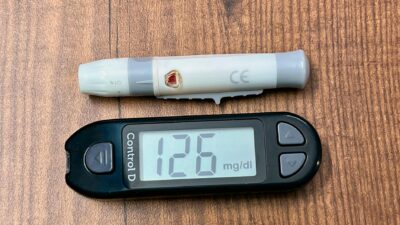
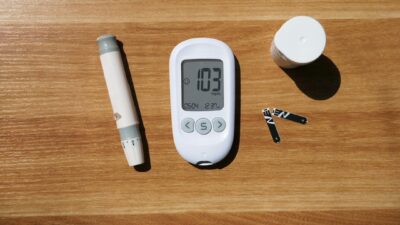
CGMs and meters can occasionally produce erroneous readings. If your number is above 400:
- Wash your hands with soap and water (residual food on fingers can skew fingersticks).
- Repeat the test with a fresh, properly stored test strip.
- If using a CGM, check the trend arrow and consider a fingerstick as a cross-check, especially if you have symptoms that do not match the number.
A confirmed reading above 400 mg/dL deserves action. A clearly erroneous reading deserves a clean repeat rather than a medication response.
Check for Ketones if You Have Diabetes
The American Diabetes Association recommends checking for ketones (urine strips or blood ketone meter) when blood glucose is above 240 mg/dL or when you feel ill, regardless of glucose. A blood glucose over 400 mg/dL with positive ketones raises the risk of DKA, especially in type 1 diabetes. Moderate or large ketones plus high glucose generally warrants a call to your clinician or an emergency department.
What to Do — and What Not to Do — While You Decide
While waiting for guidance or transport:
- Hydrate. Sip water steadily unless you are vomiting or have been told to restrict fluids.
- Do not exercise. High glucose with possible ketones can worsen with exertion.
- Do not “stack” insulin. Repeatedly giving correction doses every 30 minutes can stack and cause severe lows. Follow the correction guidance your clinician has set for you — no improvising.
- Hold new carbohydrate-heavy foods. Address the high first, then resume normal eating once stable.
- If you use an insulin pump, consider a set change with fresh insulin; pump failure is a common cause of unexplained highs.
When to Call 911 vs. When to Call Your Clinician
| Situation | Action |
|---|---|
| Blood sugar over 400 with vomiting, confusion, or trouble breathing | Call 911 or go to the ER |
| Over 400 with moderate/large ketones | Call clinician or go to the ER |
| Over 400, feeling okay, no ketones, able to drink fluids | Call your diabetes care team that day |
| Repeated readings over 400 without a clear cause | Urgent clinician visit — treatment plan likely needs adjustment |
| No prior diabetes diagnosis, reading over 400 | Seek medical evaluation the same day |
Why Blood Sugar Over 400 Happens
Common drivers include:
- Missed insulin doses or oral medications.
- Insulin pump occlusion, site failure, or bad insulin (heat-damaged or expired).
- Infection, fever, or acute illness.
- Major emotional or physical stress.
- New medications, especially steroids.
- Very large carbohydrate meals without corresponding medication adjustment.
- Undiagnosed or newly progressing diabetes.
Preventing the Next Spike
Once the immediate high is resolved with clinician oversight, the next step is identifying why. A structured review usually helps:
- Confirm you have a written sick-day plan and know when to check ketones.
- Check pump and sensor supplies, rotate sites, and replace expired insulin.
- Reassess the overall diabetes treatment plan with your clinician — medications or doses may need updating.
- Look at recent meal patterns and adjust diet and nutrition to reduce repeated post-meal highs.
- Review long-term control using A1C levels trends, not just individual readings.
A Note on “Normal” vs. “Warning” vs. “Emergency”
According to the ADA, typical general glucose targets are 80–130 mg/dL before meals and less than 180 mg/dL 1–2 hours after the start of a meal, but individualized targets vary. Any reading over 240 mg/dL warrants ketone testing if you have diabetes. Readings over 400 mg/dL are not part of routine control and always deserve attention.
Medical Disclaimer
This article is for educational purposes only and is not medical advice. A blood sugar reading over 400 mg/dL requires evaluation by a licensed healthcare professional. When in doubt, call your clinician or 911. Do not change medications based on internet information.
The Bottom Line
If your blood sugar is over 400 mg/dL, treat it as a medical situation, not a routine number. Confirm the reading, check ketones if you have diabetes, hydrate, avoid exercise and insulin stacking, and get in touch with your clinician — or call 911 if you have symptoms like vomiting, confusion, or fruity breath. Then, once the immediate crisis passes, work with your healthcare team to understand why it happened and how to keep it from happening again.