A blood sugar spike is a rapid rise in glucose after eating, typically peaking 30 to 90 minutes after a meal and returning toward baseline within 2 to 3 hours. In adults without diabetes, peaks usually stay under 140 mg/dL. In type 2 diabetes, common targets are under 180 mg/dL at two hours. Large, frequent spikes are uncomfortable in the short term and raise long-term risk of complications, but small adjustments to food, movement, and timing meaningfully flatten the curve.
What a Spike Looks Like on a Graph
If you wear a continuous glucose monitor, a classic spike appears as a steep upslope starting 15 to 30 minutes after eating, a peak at 60 to 90 minutes, and a descent back toward baseline over the next hour or two. Healthy glucose responses are gentle curves; problematic responses are tall, narrow peaks or long plateaus. The difference depends on what you ate, how much, what you did afterward, and your insulin sensitivity.
Post-meal glucose matters because the peaks, not only the averages, shape how you feel and drive some complications. Tracking curves alongside A1C levels gives a more complete picture than any single number.
Typical Triggers for Big Spikes
Not all foods spike glucose equally. The table below summarizes common high-spike and low-spike patterns, though individual responses vary considerably.
| Pattern | Typical Spike Magnitude | Why |
|---|---|---|
| Sugary soda, juice, candy | Very high, fast peak | Liquid sugar absorbs quickly; no fiber or fat |
| White bread, rice, pasta alone | High, fast peak | Refined carbs digest quickly into glucose |
| Whole grains with protein | Moderate, slower peak | Fiber and protein slow gastric emptying |
| Beans, lentils, oats | Lower, gentle curve | High fiber and resistant starch |
| Pizza, creamy pasta | Delayed, prolonged peak | High fat slows emptying but extends response |
| Leafy greens, non-starchy vegetables | Minimal | Very low digestible carbs |
Non-Food Drivers You Should Know
Food dominates post-meal glucose, but other factors strongly influence the curve.
- Sleep. One night of short or poor sleep raises next-day glucose responses by 10 to 20 percent in many studies.
- Stress. Cortisol and adrenaline raise blood sugar independent of eating.
- Time of day. Insulin sensitivity is typically lowest in the morning, so breakfast often spikes more than dinner with the same meal.
- Hormonal cycles. Menstrual phase, pregnancy, and menopause shift insulin resistance.
- Inactivity. Sitting for long periods amplifies spikes; brief movement blunts them.
- Illness or infection. Inflammation raises glucose even without eating.
Symptoms of a Big Spike
Not every spike produces obvious symptoms, especially small ones. Larger peaks above roughly 180 to 220 mg/dL can cause fatigue, brain fog, irritability, blurred vision, headache, sudden thirst, and frequent urination. Some people feel a subsequent low (“reactive hypoglycemia”) as insulin catches up, which produces shakiness, sweating, and intense hunger. Chronic spikes wear down beta cells, raise inflammation, and accelerate cardiovascular and neurological complications.
Flattening the Curve
You do not need a restrictive diet to reduce spikes. A handful of low-effort habits move the needle.
- Eat protein and vegetables first, carbs last. Studies show this meal sequencing can reduce peaks by 30 to 50 percent.
- Walk for 10 to 20 minutes after meals. Muscle contractions pull glucose out of the blood.
- Choose whole-food carbs. Beans, lentils, oats, berries, and whole grains spike less than refined equivalents.
- Include fat and fiber. A tablespoon of olive oil, a handful of nuts, or a side of vegetables softens the peak.
- Avoid sugary drinks. Liquid sugar is the most reliable way to create a big spike.
- Sleep and manage stress. These lower the baseline from which each meal starts.
Our diet and nutrition hub has more detailed templates that incorporate these principles without heavy restriction.
Measuring Your Own Spikes
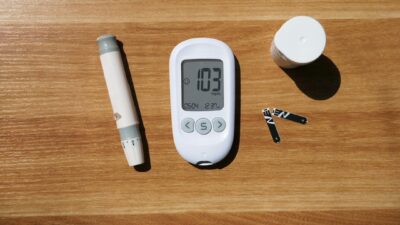
You can learn a lot with a simple meter and a one-hour and two-hour post-meal check. Test before eating, then again at 60 and 120 minutes after the first bite. Do this for several different meal types for a week, and patterns emerge. Continuous glucose monitors give even richer data if accessible. According to the CDC, self-monitoring patterns are among the most reliable tools for tailoring diabetes care.
When Spikes Are a Medical Red Flag
Repeated post-meal readings above 200 mg/dL in someone without a diabetes diagnosis should trigger formal testing for prediabetes or diabetes. In people with diabetes, consistently high spikes may signal that medication needs adjustment, that meal composition has drifted, or that an illness is brewing. Our treatment hub covers how clinicians respond to persistent hyperglycemia.
The Bottom Line
A blood sugar spike is a normal phenomenon that becomes problematic when it is large, frequent, or poorly timed. The most effective responses are practical rather than extreme: sequence your meals, walk after eating, favor whole-food carbs, sleep well, and use data to learn your individual patterns. If spikes remain large despite reasonable habits, share the data with your clinician, because medication or a different meal pattern may be the missing piece.
Medical disclaimer: This article is for educational purposes only and is not a substitute for professional medical advice, diagnosis, or treatment. Always consult your physician or qualified healthcare provider with any questions about a medical condition or treatment.