Glucose after eating normally rises within 15 minutes, peaks between 60 and 90 minutes, and returns toward baseline by two hours. In adults without diabetes, a two-hour post-meal reading under 140 mg/dL is considered normal. People with prediabetes or diabetes often see higher peaks and slower returns, and small changes in meal timing, portion size, and activity can reshape the post-meal curve.
How Glucose Changes After a Meal
Every meal triggers a cascade. Carbs break down into glucose, which enters the bloodstream and signals the pancreas to release insulin. Insulin tells muscle and liver cells to take up glucose, while hormones such as GLP-1 slow gastric emptying to smooth the rise. In a healthy system, glucose climbs and falls within a two-hour window. In insulin resistance, the cascade is sluggish. The pancreas works harder, glucose peaks higher, and the return to baseline stretches out.
The shape of the curve matters for long-term health. Repeated high peaks and long time above target contribute to higher A1C, a marker of average blood sugar over three months.
Target Ranges for Post-Meal Glucose
| Group | Two-Hour Post-Meal Target | Notes |
|---|---|---|
| Adults without diabetes | Under 140 mg/dL | Normal range per ADA |
| Adults with prediabetes | 140 to 199 mg/dL defines the range | Confirm with oral glucose tolerance test |
| Adults with diabetes | Under 180 mg/dL | Individual targets vary by age and medications |
| Pregnancy (gestational) | Often under 120 mg/dL at one hour | Follow obstetric guidance |
| Older adults with hypoglycemia risk | Individualized | Clinician may set higher ceilings |
These numbers are general benchmarks. Your personal targets may differ based on medications and clinical history.
What Influences the Size of the Rise
Meal composition has the biggest effect. Refined carbs such as white bread, rice, pasta, and sugary drinks raise glucose faster and higher than slow-digesting foods. Fiber, protein, and fat slow absorption and blunt the peak. Portion size adds on top of that. A one-cup serving of oatmeal produces a smaller rise than a two-cup serving even though the glycemic index is identical.
Beyond food, activity before or after meals lowers peaks. Even a 10 to 20 minute walk inside 30 minutes of finishing a meal has been shown to reduce peak glucose. Sleep debt, stress, illness, menstrual phase, and some medications can push post-meal glucose higher independent of what you ate.
Why Two-Hour Readings Matter Most
Clinical guidelines use the two-hour post-meal reading because it captures whether glucose is returning to baseline as expected. The CDC oral glucose tolerance test measures glucose two hours after a 75-gram glucose drink. A value of 140 to 199 mg/dL at that mark defines prediabetes, and 200 mg/dL or higher points to diabetes. Home testing uses a similar logic for mixed meals.
Peak values inside 60 to 90 minutes are useful for learning how a specific meal affects you, especially with a CGM. For clinical decisions, the two-hour number remains the reference.
How to Test Glucose After a Meal
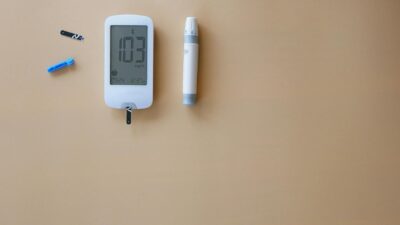
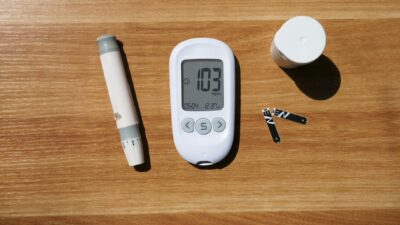
Start the timer at the first bite. Two hours later, wash your hands with soap and water, dry them thoroughly, and test. Use the second drop of blood, which is cleaner than the first. Record the value along with the meal and the time. Consistency is important. Testing at the same time after similar meals over several days shows patterns better than one-off tests.
A CGM shows the full post-meal curve, which is helpful when trying to compare meals side by side. Many people find that seeing the curve is more motivating than seeing a single number and more informative for dietary choices.
Strategies to Soften the Rise
Small adjustments add up. Eating protein first, then vegetables, then carbs slows glucose absorption. Replacing juice with whole fruit, white rice with brown rice or cauliflower rice, or sugary cereal with eggs and avocado flattens the curve. Adding a tablespoon of vinegar or a cup of tea with a meal has shown small but consistent reductions in peaks in research studies.
Movement after meals is one of the simplest levers. A short walk lowers peaks even without any food change. Resistance training and daily step counts improve insulin sensitivity over weeks and reduce overall A1C levels.
When to Review With a Clinician
If two-hour readings consistently sit above 140 mg/dL and you have not been diagnosed with prediabetes or diabetes, schedule a visit. An A1C test or fasting plasma glucose can confirm whether home values fit a diagnostic category. For people already diagnosed, post-meal readings above personal targets guide medication and lifestyle changes. Bring a log of readings, meals, and activity so your clinician can spot patterns quickly.
Urgent review is needed if readings stay above 250 mg/dL for hours, if you develop ketones in urine, or if you have severe symptoms such as vomiting, rapid breathing, or confusion. These can signal diabetic ketoacidosis, a medical emergency.
Common Mistakes When Interpreting Post-Meal Readings
Testing too early catches the peak and can be misleading if you use it as a pass-fail check. Testing too late may show a value that has already returned to baseline. Skipping handwashing, using expired strips, or testing inconsistent meals muddies patterns. A single high reading is not a diagnosis, but a pattern of high readings is worth acting on. Pair home data with annual lab testing for the full picture.
Food Choices That Support Post-Meal Targets
A balanced plate typically includes a palm-sized portion of lean protein, half a plate of non-starchy vegetables, and a controlled portion of whole-grain carbs or beans. Adding healthy fats from olive oil, nuts, or avocado extends fullness. Sweetened drinks are the single fastest path to a spike, so swapping them for water, unsweetened tea, or sparkling water is one of the highest-yield changes for post-meal glucose.
The Bottom Line
Glucose after eating normally peaks inside 90 minutes and returns toward baseline by two hours. A two-hour reading under 140 mg/dL is the classic normal benchmark. Use home testing or a CGM to learn your personal response, tweak meal composition and timing, and take post-meal walks to soften peaks. Share trends with your clinician, and lean on annual A1C testing to confirm the longer-term picture.
Medical disclaimer: This article is for educational purposes only and does not replace medical advice. Always consult a qualified healthcare provider before starting, stopping, or changing any medical device or therapy.