To lower glucose levels in blood safely, use a mix of short-term moves such as walking and hydration plus long-term moves such as smaller carb portions, weight loss, consistent sleep, and stress management. Medications may be part of the plan if lifestyle alone is not enough. The approach works at every stage from prediabetes to type 2 diabetes, although the specific targets and tools differ.
Short-Term Ways to Lower Blood Glucose
The fastest safe way to bring a high reading down is to move. A 10 to 20 minute walk after a meal can cut peak glucose by 20 to 30 mg/dL in many people because muscle contraction pulls glucose out of circulation without needing extra insulin. Drinking water matters too, since dehydration concentrates blood glucose and makes readings look higher. Avoid adding more carbs on top and wait for the meal to finish digesting. Do not take extra medication on your own.
These steps are not a substitute for ongoing treatment. They help manage a single reading while you figure out what caused the rise and whether you need a longer-term change.
Long-Term Lifestyle Changes That Lower Glucose
Sustained reductions in glucose come from habits that run for weeks and months. The landmark Diabetes Prevention Program showed that losing 5 to 7 percent of body weight and walking 150 minutes per week reduced progression from prediabetes to type 2 diabetes by 58 percent over three years. That effect outperformed metformin in the same trial for most age groups.
Weight loss improves insulin sensitivity, especially when fat is lost from the liver and visceral stores around abdominal organs. Even a 10-pound loss for someone near 200 pounds can produce measurable changes in fasting glucose and A1C.
Lifestyle Lever Comparison
| Lever | Typical Effect on A1C | Notes |
|---|---|---|
| 5 to 7 percent weight loss | 0.5 to 1.0 percentage points | Most effective single change for many |
| 150 min/week moderate activity | 0.3 to 0.6 points | Walking, cycling, swimming |
| Resistance training 2x/week | Additional 0.2 to 0.4 points | Builds insulin-sensitive muscle |
| Cutting sugar-sweetened drinks | Variable, often 0.2 to 0.5 points | Fastest nutrition win |
| Consistent sleep 7 to 8 hours | Small but real | Reduces fasting glucose |
| Metformin | 0.8 to 1.5 points | First-line medication for many |
| GLP-1 receptor agonist | 1.0 to 1.8 points | Adds significant weight loss |
No single lever is enough for everyone. Stacking two or three produces the biggest effect.
Diet Choices That Lower Glucose
Meals built around non-starchy vegetables, lean protein, healthy fats, and minimally processed whole grains produce smaller post-meal peaks than meals built around refined carbs and sweetened drinks. Swapping white bread and rice for oats, barley, lentils, or quinoa, and replacing juice or soda with water or unsweetened tea, can meaningfully lower both fasting and post-meal glucose within weeks.
Eating sequence matters too. Small studies show that eating protein and vegetables first, then carbs, reduces glucose peaks compared with eating carbs first. Vinegar before a carb-heavy meal has a small but consistent flattening effect. A prediabetes diet focused on plate balance rather than strict calorie counting is easier for most people to follow.
Exercise for Glucose Control
The American Diabetes Association recommends at least 150 minutes of moderate activity per week spread over at least three days. That could be brisk walking, cycling, swimming, or dancing. Add resistance training two or three times per week to build muscle, which acts as a glucose sink. Breaking up long sitting periods with a few minutes of movement each hour also helps.
For a quick post-meal intervention, walking for 10 to 20 minutes within 30 minutes of finishing a meal cuts the peak glucose. Morning workouts may help lower fasting glucose over time, but any consistent routine beats a perfect schedule that never happens.
Sleep and Stress
Chronic short sleep increases cortisol and insulin resistance. Large observational studies link regular sleep under six hours per night to higher fasting glucose and higher A1C. Aim for seven to nine hours with a consistent bedtime. Treat sleep apnea if present, because untreated apnea raises glucose and blood pressure together.
Stress triggers counterregulatory hormones that push glucose up. Mindfulness, yoga, time outdoors, and cognitive behavioral therapy for sleep or stress all show modest glucose benefits in controlled studies. The effect is smaller than weight loss or medication but real and cumulative.
Medications That Lower Blood Glucose
Lifestyle is the foundation, but medication is often needed. Metformin is the most common first-line medication because it lowers hepatic glucose output and improves insulin sensitivity with a strong safety record. GLP-1 receptor agonists such as semaglutide and tirzepatide lower glucose and support significant weight loss. SGLT2 inhibitors also lower glucose and protect the kidneys and heart. Insulin becomes necessary if beta-cell function is low or A1C is very high.
Decisions about which medication fits your situation should involve your clinician. Factors include current A1C, weight, kidney function, cardiovascular history, cost, and side effect profile. Check A1C levels at least twice a year if you are on glucose-lowering medication.
Tracking Progress Safely
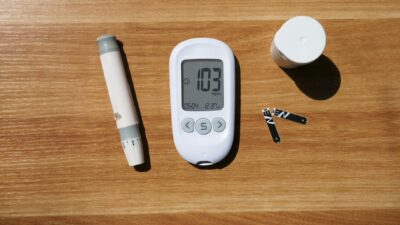
A home meter or CGM lets you see whether changes are working. Test fasting glucose a few mornings per week and post-meal values after common meals. Expect variability. Single readings jump around. Weekly averages are more useful than daily snapshots. Bring the log to appointments so your clinician can adjust the plan.
If you are on insulin or sulfonylureas, watch for low blood sugar symptoms such as shakiness, sweating, confusion, or lightheadedness, and treat with 15 grams of fast-acting carbs if glucose falls below 70 mg/dL. Lifestyle changes that lower glucose can change medication needs quickly, so stay in close touch with your clinician during the first few months.
The Bottom Line
How to lower glucose levels in blood comes down to stacking small, consistent levers. Walk after meals, drink water, and avoid more carbs when a reading runs high in the moment. Over weeks and months, build a routine with balanced meals, 150 minutes of weekly activity, resistance training, and seven to nine hours of sleep. Add medication when lifestyle alone is not enough, and track progress so you and your clinician can adjust as needed.
Medical disclaimer: This article is for educational purposes only and does not replace medical advice. Always consult a qualified healthcare provider before starting, stopping, or changing any medical device or therapy.