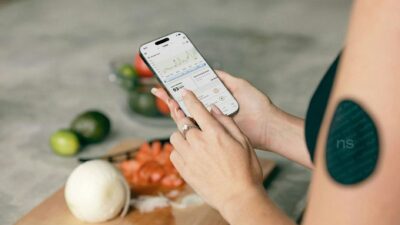
A CGM device is a small wearable medical device that continuously measures glucose in the fluid just beneath your skin and sends those readings wirelessly to a phone or dedicated receiver. Rather than a single number from a fingerstick, a CGM shows where your glucose has been, where it is now, and where it is heading — typically with a new reading every 1 to 5 minutes.
What a CGM Device Actually Measures
It is important to understand what a CGM measures. The sensor reads glucose in interstitial fluid, not capillary blood. In most situations interstitial and blood glucose track each other closely, but there is a physiologic lag of a few minutes, most noticeable during rapid changes. This is why CGM and fingerstick readings may not always match exactly — a normal feature of the technology.
Components of a Typical CGM Device
Most modern systems share the same architecture:
- Sensor: A hair-thin filament sits in the interstitial space. An enzyme on the filament reacts with glucose and produces an electrical signal.
- Transmitter / electronics: A small pod on the skin converts the signal into glucose estimates and transmits them.
- Display: A smartphone app or dedicated receiver shows current glucose, a trend arrow, and history.
- Optional sharing: Readings can often be shared with family, caregivers, or clinicians through cloud services.
Depending on the brand, sensor wear time is typically 10, 14, or 15 days, after which you replace the unit.
How CGM Accuracy Is Described
The most commonly cited accuracy measure is MARD — mean absolute relative difference between sensor readings and a laboratory reference. Lower MARD means better accuracy. Major FDA-cleared CGMs publish MARD values in the single digits, but that number is an average across many subjects and conditions; individual sessions can differ.
| Accuracy Concept | What It Means in Daily Use |
|---|---|
| MARD (single digits) | On average, readings are within a few percent of a laboratory reference. |
| Trend arrow | Indicates direction and rate of change — useful for timing action. |
| Day-1 variance | Some sensors are slightly less accurate during the first 24 hours. |
| Compression lows | Pressure on the sensor while sleeping can produce brief false lows. |
| Calibration | Some systems are factory-calibrated; others occasionally request a fingerstick. |
Who Uses a CGM
CGMs are used by people across the diabetes spectrum:
- Type 1 diabetes, where they are standard of care and often paired with insulin pumps.
- Type 2 diabetes, especially in people using insulin or working actively to improve control.
- Gestational diabetes, when clinicians choose to use them to refine therapy.
- Prediabetes and metabolic risk, where short-term CGM data paired with attention to A1C levels can inform lifestyle change.
- Adults without diabetes using the newer over-the-counter CGMs for wellness purposes.
How to Use a CGM Device
Usage steps are broadly similar across brands:
- Prepare the site. Clean the skin with an alcohol wipe and allow it to dry.
- Apply the sensor. Use the single-use applicator on an approved body site (often the back of the upper arm).
- Pair with the app. Start the sensor in the app or reader. Warm-up can take 30 minutes to 2 hours.
- Watch the trend, not just the number. An arrow pointing up steeply after a meal tells you more than the number alone.
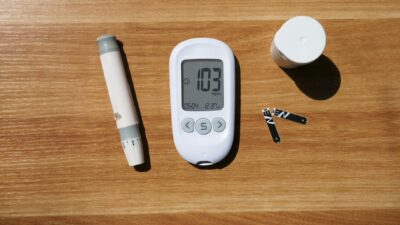
- Confirm suspicious readings. If a sensor result does not match symptoms, a fingerstick remains a reliable double-check.
- Review reports with your clinician. Weekly or monthly summaries guide adjustments to medications, meals, and activity.
How CGM Data Guides Day-to-Day Life
For most users, the clearest wins come from understanding patterns: how a particular breakfast affects mid-morning glucose, how a 20-minute walk blunts a post-dinner spike, or why overnight values trend up on poor-sleep nights. Those insights translate into practical shifts in diet and nutrition or in the broader treatment plan your clinician manages.
Limitations and Pitfalls
CGMs are powerful but not perfect:
- Adhesives may irritate skin in some users; trial different sensor brands if needed.
- Treatment decisions based on a single number without context can mislead — always consider trend arrow, recent meals, and symptoms.
- Data overload is a real risk; many people do better with weekly summaries than constant monitoring.
- Not all CGMs are interchangeable; features, alerts, and accuracy vary across brands and generations.
Medical Disclaimer
This content is for education only and is not a substitute for personalized medical advice, diagnosis, or treatment. Always involve a licensed clinician in decisions about diabetes monitoring, medications, and interpreting CGM data.
The Bottom Line
A CGM device is a skin-worn sensor that turns periodic glucose checks into a continuous picture of where your numbers have been, are, and are heading. Modern sensors are accurate enough to guide real treatment decisions, though they still benefit from fingerstick confirmation when something feels off. If you are considering a CGM — whether for type 1, type 2, gestational diabetes, or metabolic awareness — ask your clinician which device, duration, and data review cadence fit your goals.