The best way to lower blood sugar combines several evidence-based habits and, when needed, medications prescribed by your clinician. Short-term drops come from walking after meals, hydrating, eating fewer fast-digesting carbs, and managing stress. Long-term improvement relies on weight management, consistent exercise, adequate sleep, and medications such as metformin, GLP-1 receptor agonists, or SGLT-2 inhibitors when lifestyle alone is not enough.
Why Single Fixes Rarely Work
People searching for the best way to lower blood sugar often hope for one food, supplement, or trick. The reality is that glucose regulation depends on dozens of inputs: muscle mass, liver function, hormones, medications, food choices, sleep, stress, infection, and time of day. A single intervention shifts the balance a little. Several small, consistent interventions compound into meaningful drops in daily readings and quarterly A1C levels.
That framing also protects against disappointment. If you add a 15-minute post-meal walk and see your average glucose fall 10 to 15 mg/dL, that is real progress even if a single high reading still appears occasionally. Stacking four or five such habits often drops A1C by 0.5 to 1.0 percentage points before any medication changes.
Short-Term Tactics That Actually Work
Some tactics produce noticeable glucose drops within minutes to hours. These are useful for managing post-meal spikes or a high morning reading.
- Walking. A 10 to 20 minute walk within 30 minutes of eating reduces peak glucose by 15 to 30 percent in most studies.
- Hydration. Sugar-free fluids help kidneys clear glucose and prevent dehydration-related rises.
- Meal sequencing. Eating protein and vegetables before carbs lowers the post-meal peak.
- Skipping additional carbs. If a reading is elevated, waiting to eat more rather than grazing allows glucose to return to baseline.
- Stress regulation. Slow breathing and brief walks reduce cortisol-driven glucose elevations.
Long-Term Foundations
Sustained glucose control comes from the same pillars that support general metabolic health.
| Pillar | Typical Impact on A1C | Why It Works |
|---|---|---|
| 5 to 10% weight loss | 0.5 to 1.5 points | Reduces insulin resistance and liver fat |
| 150+ min moderate activity per week | 0.3 to 0.8 points | Improves muscle glucose uptake |
| Strength training 2 to 3x per week | 0.2 to 0.5 points | Increases muscle mass and glucose storage |
| 7 to 9 hours of sleep | 0.1 to 0.4 points | Normalizes cortisol and insulin sensitivity |
| Fiber-forward diet (30+ g per day) | 0.3 to 0.6 points | Slows glucose absorption, feeds gut microbes |
| Metformin | 0.8 to 1.5 points | Reduces liver glucose production |
| GLP-1 receptor agonist | 1.0 to 2.0 points | Stimulates insulin, reduces appetite |
Food Choices That Keep Glucose Stable
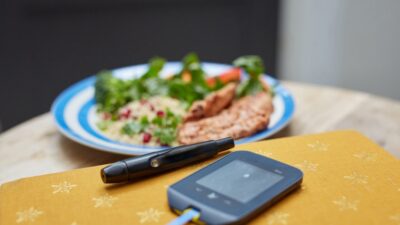
Eating patterns matter more than any single food. Evidence strongly supports a Mediterranean-style plate: vegetables, legumes, whole grains, fish, olive oil, nuts, and fruit, with modest dairy and meat. The DASH diet, plant-forward diets, and moderate low-carb approaches also show benefit. The common thread is fewer refined carbs, more fiber, and more minimally processed foods. Our diet and nutrition hub offers starter templates.
Practical habits that help most people include drinking water instead of sugary beverages, eating protein and vegetables before refined carbs, limiting ultra-processed snacks, and planning meals with a registered dietitian when possible. According to the CDC, consistent carbohydrate distribution across meals also supports steadier readings.
Movement Beats Intensity
Frequency and consistency of movement beat occasional high-intensity workouts for glucose control. A daily 20-minute walk, especially after meals, delivers strong benefits. Adding two or three short resistance training sessions weekly builds muscle mass, the body’s largest glucose storage site. Standing and walking breaks every 30 minutes during long sedentary periods also measurably reduce post-meal spikes.
Sleep, Stress, and Alcohol
Short or poor-quality sleep raises fasting glucose and increases next-day cravings. Chronic stress elevates cortisol, which pushes glucose higher. Alcohol can cause delayed hypoglycemia in people on insulin or sulfonylureas, and sugary mixers add carbs. Addressing these factors is often more impactful than choosing a specific diet label.
Medications Your Clinician May Consider
When lifestyle changes are not enough, several medication classes lower blood sugar effectively. Metformin remains the typical first-line option for type 2 diabetes. GLP-1 receptor agonists (such as semaglutide and tirzepatide) and SGLT-2 inhibitors (such as empagliflozin) provide significant A1C reduction plus weight and cardiovascular benefits in many patients. Insulin is used when other agents are insufficient. Medication choice is highly individualized; your clinician will weigh kidney function, heart disease history, cost, and goals. Our treatment hub summarizes current options.
How to Measure Progress
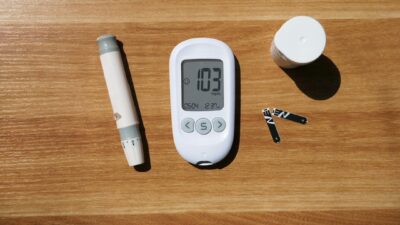
Track progress with three numbers: fasting glucose (each morning or several times per week), post-meal readings (selectively), and A1C (every 3 months until stable, then every 6). Continuous glucose monitoring can be useful during changes in diet, medication, or activity. Keep a simple log of what changed and what the numbers did; patterns reveal themselves faster than you expect.
The Bottom Line
The best way to lower blood sugar is a combination: post-meal walks, fiber and protein at meals, consistent sleep, stress control, strength training, hydration, and the right medications when lifestyle alone falls short. Layering several small habits produces larger, more durable results than chasing a single fix. Work with your clinician to personalize the plan and monitor progress every 3 to 6 months.
Medical disclaimer: This article is for educational purposes only and is not a substitute for professional medical advice, diagnosis, or treatment. Always consult your physician or qualified healthcare provider with any questions about a medical condition or treatment.