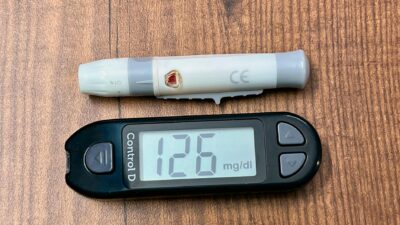
Dates can raise blood sugar, but most studies show a smaller spike than refined-sugar sweets. Whole dates supply fiber and polyphenols that slow absorption, and their glycemic index sits in the low-to-medium range. How dates affect your glucose depends on portion size, variety, and what else is on the plate.
What Makes Dates Different From Candy
A single Medjool date packs roughly 66 calories and 16 grams of carbohydrate, almost all from natural sugars. Smaller varieties such as Deglet Noor contain about 20 calories and 5 grams of carbs. Both provide 1 to 2 grams of fiber per date, plus potassium, magnesium, and plant compounds such as flavonoids and phenolic acids. That mix slows digestion and softens the post-meal glucose rise compared with the sugar load alone.
Candy bars and many baked goods lack that fiber and antioxidant package, so pure glucose and fructose hit the bloodstream faster. That is one reason dates often feel sweeter than their glucose response suggests.
The Glycemic Index and Load of Common Dates
| Variety | Glycemic Index | Glycemic Load (2 dates) |
|---|---|---|
| Fara | Around 43 | Low |
| Khalas | Around 46 | Low |
| Bo ma’an | Around 49 | Low to medium |
| Deglet Noor | Around 49 | Low |
| Medjool | Around 51 to 55 | Medium |
These numbers come from small peer-reviewed studies and USDA nutrition data. The glycemic index values sit in the low to medium range. A two-date portion usually delivers a modest glycemic load, while a six-date portion can push into the high range.
What Research Shows About Dates and Glucose
A 2011 study by Alkaabi and colleagues fed five varieties of dates to healthy subjects and people with type 2 diabetes. The researchers measured a smaller post-meal rise than the 50-gram glucose reference used in glycemic index testing. Later observational studies have linked moderate date consumption to improved lipid profiles and no significant change in A1C when portion sizes were controlled.
This does not mean dates are a free food. It means whole dates generally behave better than their sugar content alone suggests, and they can fit into a diabetes-friendly plan with careful portion control.
How Many Dates Is a Reasonable Portion
For most people with prediabetes or type 2 diabetes, two to three Medjool dates or three to four Deglet Noor dates is a reasonable snack. That translates to roughly 30 to 45 grams of carbs, similar to a slice of bread or a small bowl of oatmeal. If your usual post-meal target is under 140 mg/dL, test with a meter or CGM after eating dates to see how your body responds.
People who are physically active, especially endurance athletes, can tolerate more because exercise improves insulin sensitivity. People on insulin should count dates in their carb count and dose accordingly with their clinician’s guidance.
Pairings That Flatten the Spike
Carbohydrates digested alone raise glucose faster than when combined with protein, fat, or fiber. Two good pairings for dates are walnuts or almonds, which add protein, fat, and additional fiber, and Greek yogurt, which contributes protein and slows gastric emptying. Some people like to stuff a date with almond butter or a small piece of cheese, turning a 16-gram carb snack into a balanced mini-meal.
Pairing matters especially when dates are added to breakfast cereals, smoothies, or baked goods, where the underlying food already carries a carb load. A smoothie with banana, dates, and juice can push glucose higher than intended even if each ingredient alone seems moderate.
When Dates Cause Bigger Spikes
A large serving, chopped dates blended into a drink, or pitted dates used as a sweetener in baked goods can behave more like concentrated sugar. Blending breaks down the fiber matrix, so a date smoothie may spike glucose more than the same dates eaten whole. Date syrup and date paste act similarly to other liquid sweeteners. If you bake with dates, keep the total portion small and balance with nuts, seeds, or whole grains.
Timing also shifts the response. Dates eaten at the end of a meal with protein and vegetables usually produce a smaller rise than dates eaten on an empty stomach. Morning meals may spike higher than evening meals for some people due to the dawn phenomenon.
Dates in the Broader Prediabetes Diet
Dates can coexist with a prediabetes diet because whole fruits are not the main driver of poor glucose control. Refined grains, sugar-sweetened beverages, and ultra-processed snacks deserve more scrutiny. If your A1C levels are trending up, look at the whole pattern rather than blaming any single food. Portion size, overall carb load, activity, and sleep often matter more than whether dates appear on the plate.
Practical Tips for Enjoying Dates
Start with two whole dates rather than six. Choose smaller varieties if you want a lower absolute sugar load per piece. Pair with a source of protein or fat. Avoid blending into smoothies as a regular habit. Test your glucose response so you learn what portion fits your personal target. If you have sensitive post-meal control, try moving dates to later in the day or to post-workout when muscle glucose uptake is higher.
The Bottom Line
Do dates spike blood sugar? Yes, but usually less than their sweetness suggests. Their fiber and polyphenol content gives them a low-to-medium glycemic index, and two to three dates can fit into most diabetes-friendly plans. Pair them with protein or fat, watch portion size, test your personal response, and decide with your clinician how they fit your goals.
Medical disclaimer: This article is for educational purposes only and does not replace medical advice. Always consult a qualified healthcare provider before starting, stopping, or changing any medical device or therapy.