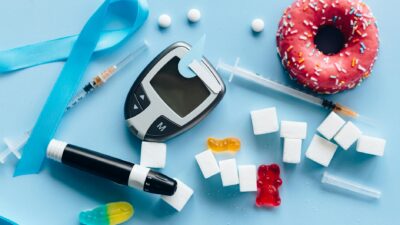
A blood sugar 600 reading is a medical emergency. If your glucose meter shows 600 mg/dL or higher, call 911 or have someone drive you to the emergency room immediately. Do not wait, do not try to lower it at home, and do not drive yourself if you feel confused or unwell. Extreme hyperglycemia at this level can trigger hyperosmolar hyperglycemic state or diabetic ketoacidosis, both of which can be fatal without hospital care.
Why Blood Sugar 600 Is an Emergency
Normal fasting glucose sits under 100 mg/dL. Diabetes-range glucose is 126 or higher fasting. At 600, glucose is so concentrated in your blood that it pulls water out of cells through osmosis, causing profound dehydration. Your kidneys try to dump the excess glucose into urine, which drags even more water out of your body. The result is a cascade of dehydration, electrolyte disturbances, and altered mental status that requires intravenous treatment.
Two distinct emergencies present at these extreme glucose levels. Which one you are in depends on whether you produce enough insulin to prevent ketone formation.
HHS: Hyperosmolar Hyperglycemic State
HHS usually affects older adults with type 2 diabetes. It develops over days to weeks, often triggered by an infection like pneumonia or a urinary tract infection. Glucose can exceed 600 and even climb past 1,000 mg/dL. Because people with type 2 diabetes still make some insulin, ketone production is typically minimal. The dominant problem is extreme dehydration and hyperosmolality.
Hallmark signs of HHS include:
- Extreme thirst that cannot be quenched
- Frequent urination early, then decreased urination as dehydration worsens
- Dry mouth and warm, dry skin
- Weakness, leg cramps, and rapid heartbeat
- Confusion, lethargy, hallucinations, or coma
- Vision changes
DKA: Diabetic Ketoacidosis
DKA is more common in type 1 diabetes but can occur in type 2. When insulin is severely deficient, cells cannot use glucose for fuel, so the body burns fat. Fat breakdown produces ketones, which acidify the blood. DKA can occur at glucose levels as low as 250 mg/dL but often coexists with blood sugar at or above 600.
Hallmark signs of DKA include:
- Nausea, vomiting, and abdominal pain
- Deep, rapid breathing (Kussmaul respirations)
- Fruity or acetone-smelling breath
- Severe fatigue and confusion
- Dehydration with dry mouth and sunken eyes
- High ketones on a urine strip or blood ketone meter
Comparing HHS and DKA at a Glance
| Feature | HHS | DKA |
|---|---|---|
| Typical diabetes type | Type 2 | Type 1 (can occur in type 2) |
| Blood glucose | Often 600 to 1,200+ mg/dL | Usually 250 to 600 mg/dL |
| Ketones | Minimal to mild | Moderate to large |
| Blood pH | Normal (over 7.3) | Acidic (under 7.3) |
| Onset | Days to weeks | Hours to days |
| Mortality (untreated) | 10 to 20 percent | 1 to 5 percent |
What the Emergency Room Will Do
At the ER, expect rapid triage and IV access. Treatment centers on three pillars applied together with close monitoring:
- Aggressive IV fluid replacement. Most patients are several liters behind. Normal saline restores circulating volume and by itself drops glucose by 35 to 70 mg/dL per hour.
- IV insulin infusion. A continuous low-dose drip brings glucose down in a controlled way. Lowering glucose too fast can cause brain swelling, so the target rate is roughly 50 to 75 mg/dL per hour.
- Electrolyte replacement. Potassium shifts dramatically as insulin drives it into cells. Potassium chloride is added to fluids once kidney function is confirmed. Sodium, phosphate, and magnesium are also monitored.
The team will also look for and treat the trigger: infection, missed medication, heart attack, stroke, pancreatitis, or new-onset diabetes. Most people need admission to a step-down unit or ICU for 24 to 72 hours.
Who Is Most at Risk for Blood Sugar 600
Risk factors include undiagnosed or poorly controlled diabetes, older age, pneumonia or UTI, recent steroid use, missed insulin, insulin pump failure, alcohol binge, and chronic kidney disease. People with limited access to water — nursing home residents, people who cannot ambulate, or those with dementia — are particularly vulnerable to HHS because they cannot replace fluid losses on their own.
If you manage diabetes at home, our treatment hub and Prediabetes 101 resources explain how to prevent crises by maintaining medication adherence and recognizing warning signs early. According to the Centers for Disease Control and Prevention, most hyperglycemic emergencies are preventable with sick-day planning, continuous glucose monitoring, and regular follow-up.
After the ER: Preventing Recurrence
A blood sugar 600 episode is a wake-up call, not a one-time event. Before discharge, ask for a sick-day plan, ketone test strips, a medication review, and a follow-up appointment within one week. If this was your first diabetes diagnosis, expect education on insulin, glucose monitoring, and nutrition. Continuous glucose monitors are strongly recommended after DKA or HHS to catch dangerous trends early.
The Bottom Line
Blood sugar 600 mg/dL or higher is never something to manage at home. It signals HHS, DKA, or both — emergencies that require IV fluids, IV insulin, and hospital monitoring. If you or someone you love sees a reading this high, call 911 immediately. Prompt care saves lives.
Medical disclaimer: This article is for educational purposes only and does not replace emergency medical care. If your blood sugar is 300 mg/dL or higher with ketones, or 400 mg/dL or higher at any time, contact your healthcare provider or emergency services immediately.