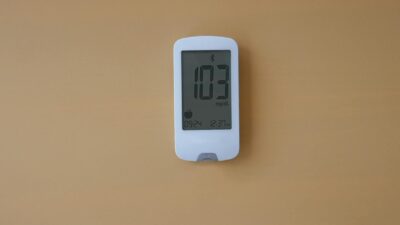
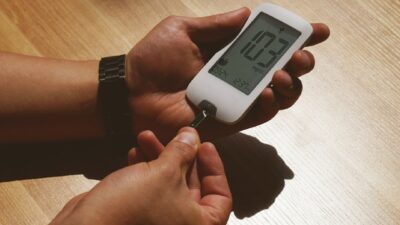
A blood sugar reading over 500 mg/dL is a medical emergency. If you see this number, test again to confirm, hydrate with water, check for ketones, and call your doctor or 911 immediately. Do not wait for symptoms to get worse — at this level, diabetic ketoacidosis (DKA) and hyperosmolar hyperglycemic state (HHS) can develop within hours.
Immediate Steps in the First 15 Minutes
- Wash your hands and retest. Sugar or food residue on fingers can falsely inflate a reading. A second reading within 10 to 20 points confirms the result.
- Drink 16 ounces of water. Hydration helps the kidneys flush excess glucose.
- Check urine or blood ketones. Moderate or large ketones point toward DKA and require emergency care.
- Take your correction dose if prescribed. Never guess — follow the written sliding scale from your doctor.
- Call your healthcare team. Describe the reading, ketone level, and symptoms. They will tell you whether to go to the ER.
- Do not exercise. Physical activity with very high glucose and ketones can drive levels higher.
When to Call 911 Immediately
According to Mayo Clinic, DKA and HHS are both life-threatening. Go to the ER right away if you have any of these signs:
- Nausea or repeated vomiting
- Fruity or acetone-scented breath
- Rapid, deep breathing (Kussmaul respirations)
- Severe drowsiness or confusion
- Abdominal pain
- Moderate or large ketones on a urine strip
- A reading that will not come down after one correction dose
- Unable to keep fluids down
DKA vs. HHS: Two Different Emergencies
| Feature | Diabetic Ketoacidosis (DKA) | Hyperosmolar Hyperglycemic State (HHS) |
|---|---|---|
| Typical glucose | 250-600 mg/dL | 600-1200 mg/dL |
| Most common in | Type 1 diabetes | Type 2 diabetes, older adults |
| Ketones | Moderate to large | Minimal or absent |
| Onset | Hours | Days |
| Hallmark signs | Fruity breath, deep breathing, belly pain | Extreme thirst, confusion, weakness |
| Mortality risk | 2-5% | 10-20% |
Both conditions require IV fluids and insulin, and both are treated in a hospital.
What Caused Your Spike?
Finding the trigger is essential to prevent the next event. Common causes include:
- Missed insulin or pump failure. A kinked tube or expired insulin can mimic severe insulin deficiency within six hours.
- Infection. Flu, pneumonia, urinary tract infections, and skin infections drive glucose up through stress hormones.
- Steroid medications. Prednisone and related drugs can raise glucose by 100 to 300 mg/dL, often within 48 hours of the first dose.
- Dehydration. Summer heat, a stomach bug, or inadequate water intake concentrates glucose fast.
- Undiagnosed diabetes. A reading of 500 mg/dL is sometimes the first sign of new-onset type 1 or advanced type 2.
- Massive carb intake. Rare without other factors, but possible with a binge paired with missed medication.
The NIDDK recommends a full post-event review with your doctor so you can adjust your sick-day plan, insulin ratios, or testing frequency.
Preventing the Next 500 mg/dL Reading
- Follow a written sick-day plan. Your doctor can outline exactly when to test, how much extra insulin to take, and when to call.
- Test more often during illness. Every two to four hours during flu, fever, or infection.
- Keep ketone strips on hand. Check anytime glucose exceeds 250 mg/dL.
- Never skip insulin. Even if you are not eating, most people need at least their basal dose.
- Stay hydrated. Aim for 64 to 96 ounces of water daily, more in heat or illness.
- Review technique. Check your pump, pens, and meters for expiration and function.
If you have not yet been diagnosed but your reading hit 500 mg/dL, you will likely leave the ER with a new diagnosis. Learn the basics of diabetes treatment and A1C targets early to stabilize your care.
The Bottom Line
Blood sugar over 500 mg/dL demands urgent action. Retest, hydrate, check ketones, and contact your medical team right away. Go to the ER at the first sign of vomiting, deep breathing, fruity breath, or confusion. After the event, work with your doctor to identify what went wrong so it does not happen again. With a solid sick-day plan and consistent monitoring, most people recover fully and avoid repeat emergencies.
Medical disclaimer: This article is for educational purposes only and is not a substitute for professional medical advice. If your blood sugar is over 500 mg/dL, contact your doctor or call 911 immediately.