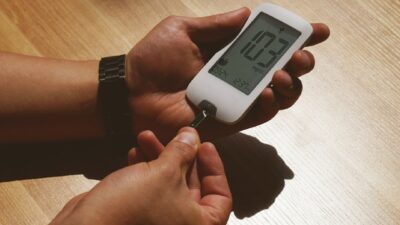
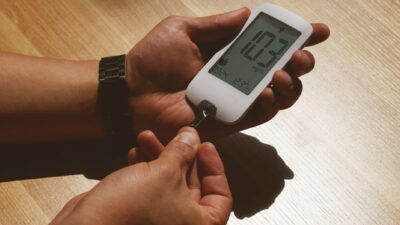
Yes, a blood sugar level of 400 mg/dL is dangerous and counts as severe hyperglycemia. At this level, you are at real risk of diabetic ketoacidosis (DKA) or a hyperosmolar state, both of which are medical emergencies. Call your healthcare provider today and seek emergency care if you have any warning symptoms.
What 400 mg/dL Actually Means
A normal fasting glucose is under 100 mg/dL, and a post-meal reading typically returns below 140 mg/dL within two hours. By contrast, 400 mg/dL is roughly four times the normal fasting threshold and signals that your body cannot move glucose out of the bloodstream effectively. This usually means insulin is missing, ineffective, or overwhelmed by stress hormones. For broader context on glucose ranges and how they relate to diagnosis, see the A1C levels guide.
According to the American Diabetes Association, any reading above 240 mg/dL warrants a ketone check in people with type 1 diabetes, and any symptomatic reading above 300 mg/dL warrants same-day medical contact. Four hundred is well past both thresholds.
Symptoms That Make 400 an Emergency
Some people tolerate high numbers with surprisingly few symptoms, while others decompensate quickly. The clinical concern is less the number itself and more what is happening inside your body. Watch for these red flags:
- Fruity or acetone-smelling breath — a sign of ketone buildup
- Rapid, deep breathing (Kussmaul respirations) — the body trying to blow off acid
- Persistent vomiting — makes hydration and oral medication impossible
- Severe abdominal pain — often mistaken for a stomach bug in early DKA
- Confusion, drowsiness, or difficulty staying awake
- Heart racing at rest with low blood pressure
Any of these paired with a reading of 400 mg/dL is a 911 call, not a wait-and-see situation.
How Dangerous Is 400 by Scenario
| Situation | Risk Level | Action |
|---|---|---|
| 400, no symptoms, ketones negative | Moderate | Call provider today; hydrate; follow correction plan |
| 400, mild nausea, ketones small | High | Urgent care same day; recheck ketones hourly |
| 400 with vomiting or confusion | Critical | Call 911 or go to ER |
| 400 with fruity breath or rapid breathing | Critical | Call 911 — possible DKA |
| 400 during acute illness or infection | High | Same-day medical contact; sick-day protocol |
Why Blood Sugar Reaches 400
Reaching 400 mg/dL almost always has a specific trigger rather than being random. The most common causes are:
- Missed or under-dosed insulin — including clogged infusion sets and expired pens
- Acute illness or infection — flu, urinary tract infections, and COVID-19 are frequent culprits
- Steroid medications — prednisone and dexamethasone can double insulin needs
- Large high-carb or high-fat meals — pizza, buffets, and sweetened drinks
- Dehydration — concentrates glucose and impairs kidney clearance
- Stress or trauma — surgery, grief, or intense emotional stress raise cortisol
- New-onset type 1 diabetes — often presents with 400+ readings and ketones
What to Do Right Now
If you are alert, able to drink, and your ketones are negative or trace:
- Drink 8 to 16 oz of water every hour to dilute glucose and protect your kidneys.
- Avoid all carbohydrate intake until readings fall below 200 mg/dL.
- Take a correction dose of rapid-acting insulin only if your provider has given you a written correction factor. Do not stack doses.
- Recheck glucose in one hour. If it has not dropped by at least 50 mg/dL, call your care team.
- Light movement like walking can help — but only if you feel well and have no ketones.
Never exercise with ketones present. Activity under ketoacidotic conditions can raise blood sugar further and worsen acidosis.
Preventing the Next 400 Reading
One isolated spike deserves a full review with your care team. Beyond medication adjustments, the most effective prevention tools are continuous glucose monitoring, structured carbohydrate awareness, and a written sick-day plan. A thoughtful prediabetes diet focused on fiber, lean protein, and minimally processed carbs reduces both average glucose and the odds of sharp post-meal excursions. Work with your provider on a prediabetes treatment plan that fits your lifestyle and risk factors.
For authoritative clinical guidance, the NIDDK page on diabetic ketoacidosis details ketone thresholds, sick-day rules, and when emergency care is mandatory.
The Bottom Line
A blood sugar of 400 mg/dL is a loud alarm, not a data point to dismiss. Even if you feel fine, the metabolic conditions underneath can deteriorate within hours. Check for ketones, hydrate, follow your written correction plan, and call your provider the same day. If you have any symptoms of ketoacidosis — vomiting, rapid breathing, confusion, fruity breath, or severe abdominal pain — call 911. The goal is not just to bring the number down once, but to understand the trigger and prevent it from returning.