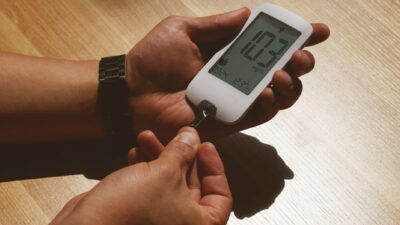
Black coffee does not contain carbohydrates, so it will not spike blood sugar the way juice or pastries do. That said, caffeine can still nudge glucose up by 5 to 15 mg/dL in people who are sensitive or insulin resistant, especially on an empty stomach. Whether black coffee raises your blood sugar depends on caffeine tolerance, timing, and what you eat alongside it.
Caffeine, Cortisol, and Your Liver
Caffeine stimulates the release of cortisol and adrenaline. Those stress hormones tell the liver to release stored glucose, the same way your body would handle a short sprint. In someone with strong insulin sensitivity, the rise is minor and quickly cleared. In someone with insulin resistance — including most people with prediabetes — glucose hangs around longer and shows up on a meter or CGM.
This is why a fasted morning cup can look like it “caused” a spike. The coffee did not deliver sugar; it triggered your liver to deliver it. A protein-and-fat breakfast eaten alongside typically blunts the response. For broader nutrition guidance, see the prediabetes diet hub.
What the Long-Term Research Shows
Despite acute caffeine effects, long-term coffee drinkers consistently show lower rates of type 2 diabetes in population studies. Harvard’s pooled analyses found that each extra daily cup of coffee was associated with a 6 to 8 percent lower risk of developing type 2 diabetes. The protective signal is driven by polyphenols like chlorogenic acid and by magnesium and chromium content, not by caffeine itself.
So there is a genuine paradox: a single cup may transiently raise your reading, while a lifetime of moderate coffee drinking may lower your diabetes risk. Both can be true because acute and chronic metabolic effects are different.
Black Coffee vs. Popular Alternatives
| Drink | Carbs (g) | Typical Glucose Effect |
|---|---|---|
| Black coffee (12 oz) | 0 | 0 to +15 mg/dL (caffeine-driven) |
| Coffee + splash of whole milk | 1 | 0 to +10 mg/dL |
| Latte with whole milk (12 oz) | 12 | +15 to +30 mg/dL |
| Flavored vanilla latte | 35 | +40 to +70 mg/dL |
| Frozen coffee drink | 55+ | +60 to +100 mg/dL |
| Decaf, black | 0 | Minimal |
| Bulletproof coffee (butter + MCT) | 0 | Minimal acute spike, delayed effects possible |
Who Should Be Careful With Caffeine
Not everyone responds to caffeine the same way. Consider cutting back or switching to decaf if you notice any of the following patterns:
- Repeated morning fasting highs that resolve with food but not with coffee alone
- Anxiety or shakiness within 30 minutes of a cup
- Heart palpitations or elevated resting heart rate on coffee days
- Sleep disruption beyond 2 p.m. — poor sleep worsens next-day insulin resistance
- High blood pressure that spikes after caffeine
Pregnant women and people taking certain medications for heart conditions, thyroid issues, or anxiety should also review caffeine intake with their clinician.
How to Drink Coffee Without Wrecking Your Numbers
A few evidence-based habits keep coffee from becoming a glucose problem:
- Pair coffee with food. Eggs, Greek yogurt, or a handful of nuts reduce the cortisol-driven rise.
- Hydrate first. Drink 12 to 16 oz of water before caffeine — dehydration exaggerates glucose effects.
- Skip the syrup. Flavored syrups add 15 to 40 grams of pure sugar per pump.
- Use unsweetened milk alternatives cautiously. Oat milk has significant carbs; almond milk does not.
- Cap intake at 3 to 4 cups. ADA cites 400 mg caffeine as a general upper limit for most adults.
- Try a 2-week decaf trial if readings worsen despite other fixes.
CGM users can quickly learn their personal coffee response by comparing two identical mornings — one caffeinated, one decaf. Most people are surprised to find the answer is smaller than they feared.
Coffee, A1C, and the Bigger Picture
A single daily cup is unlikely to move A1C meaningfully, but patterns matter. Repeated large sugar-sweetened coffee drinks can easily add a full percentage point over a quarter. If your A1C levels are creeping up and you drink caramel macchiatos twice a day, the drinks are almost certainly part of the story. A reasonable prediabetes treatment plan focuses on the daily drivers rather than the occasional indulgence.
The NIDDK nutrition overview reinforces that steady eating and drinking patterns, not perfection, are what move long-term metrics.
The Bottom Line
Black coffee itself contains no carbs, but caffeine can produce a modest, transient rise in blood sugar, especially on an empty stomach or in those with insulin resistance. Long-term, moderate coffee consumption is associated with lower diabetes risk. Keep coffee black or very lightly dressed, pair it with protein-forward food, hydrate alongside it, and use a CGM or meter to find out how your body specifically responds before making permanent changes.