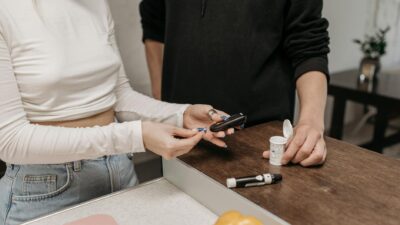
Food raises blood sugar most directly, but so do stress, poor sleep, illness, dehydration, the dawn hormonal surge, and many common medications. Understanding what raises blood sugar beyond carbs helps you explain unexpected highs and build a realistic plan to keep glucose steadier.
Why Blood Sugar Rises: The Basic Mechanism
Blood sugar, or blood glucose, is the amount of glucose circulating in your blood at a given moment. It rises when glucose enters the bloodstream from three main sources: digestion of the carbohydrate in food, release of stored glycogen from the liver, and gluconeogenesis (the liver making new glucose from protein and fat). Insulin from the pancreas moves glucose into cells; anything that reduces insulin action or speeds glucose release will raise blood sugar.
In people with prediabetes or type 2 diabetes, insulin resistance means cells are slower to respond to insulin. That makes every trigger listed below more noticeable than it would be for someone with normal insulin sensitivity.
Food and Drink
Carbohydrate is the primary dietary driver. When you digest carbs, glucose enters the blood. Highly processed grains, sugar-sweetened beverages, pastries, and fruit juice hit the bloodstream fastest. Protein and fat raise blood sugar modestly and more slowly. Fiber slows absorption and blunts spikes; a handful of nuts or a side salad before a pasta course demonstrates that effect in real time.
Alcohol is worth noting separately. Alcohol can initially raise blood sugar if the drink contains sugar (cocktails, sweet wine) and then cause a delayed low because alcohol blocks the liver’s gluconeogenesis. Many people with diabetes notice overnight lows after evening drinking.
Common Blood Sugar Triggers and How Fast They Act
| Trigger | Typical Onset | Why It Raises Glucose |
|---|---|---|
| Refined carbs or sugar | 15-45 minutes | Rapid glucose absorption |
| Acute stress | Minutes | Cortisol and adrenaline release |
| Illness or infection | Hours | Counter-regulatory hormone surge |
| Poor sleep | Next day | Reduced insulin sensitivity |
| Dawn phenomenon | 4-8 a.m. | Overnight cortisol and growth hormone |
| Steroid medication | Same day | Increases hepatic glucose output |
| Dehydration | Hours | Concentrates glucose in blood |
These triggers often stack. A stressful day with skipped sleep, a late pasta dinner, and a glass of wine can produce a higher morning reading than any single factor would.
Hormones: Stress, Sleep, and the Dawn Phenomenon
Cortisol and adrenaline, the primary stress hormones, tell your liver to release glucose for a quick energy boost. That made sense when humans ran from predators; today it means a high-pressure meeting or a fight with a partner can push glucose up without a single bite of food. Chronic elevated cortisol from long-term stress also blunts insulin action.
Poor sleep does something similar. Even one night of under six hours reduces insulin sensitivity the next day. The dawn phenomenon is a normal overnight surge of cortisol and growth hormone that nudges liver glucose up before you wake, often explaining higher fasting numbers than bedtime numbers.
Illness, Dehydration, and Physical Stress
Colds, flu, urinary tract infections, and COVID all raise blood sugar through the same counter-regulatory hormone response. Fever and inflammation amplify the effect. People with diabetes are told to check glucose more often when sick, and many treatment plans include sick-day rules.
Dehydration does not create new glucose, but it concentrates what is in the blood, so readings look higher. Surgery, burns, and major physical trauma produce dramatic stress responses that often require in-hospital glucose management.
Medications That Can Raise Blood Sugar
Many common prescriptions affect glucose. The clearest offenders are glucocorticoids (prednisone, dexamethasone, inhaled steroids used long-term), some antipsychotics (olanzapine, clozapine), thiazide diuretics, beta blockers, statins, niacin, and certain HIV medications. Even over-the-counter decongestants with pseudoephedrine can nudge glucose up in sensitive people.
Never stop a prescribed medication on your own because of a glucose reading. Call your clinician, who can adjust doses, switch within a class, or add a diabetes medication to offset the effect.
Exercise: Sometimes Raises, Usually Lowers
Long, moderate aerobic activity — a walk, a bike ride, swimming — almost always lowers blood sugar in the short term. High-intensity or heavily anaerobic work (sprints, heavy lifting, competitive sport) can briefly raise glucose because of adrenaline. Pair this kind of workout with proper hydration and rest, and glucose usually settles within an hour.
Regular activity improves insulin sensitivity day after day. That long-term benefit often outweighs brief exercise-induced spikes. Pair movement with attention to diet and nutrition for the most consistent effect on A1C.
What Helps Smooth the Curve
Practical steps that reliably reduce spikes include eating protein and fiber at every meal, walking 10 minutes after meals, drinking water throughout the day, prioritizing seven to nine hours of sleep, and managing stress with whatever you can sustain — short meditations, breathing exercises, social connection, or time outside. Regular strength training builds glucose-hungry muscle and improves insulin sensitivity over weeks to months.
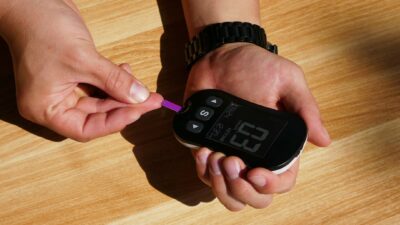
Continuous glucose monitors make personal triggers visible in real time. Many people are surprised by which specific foods, times of day, or stressors most affect them. Sharing that information with a clinician helps target changes that will matter for your body.
The Bottom Line
Blood sugar rises in response to food, hormones, illness, dehydration, some medications, and the body’s own overnight cycles. Recognizing the full list, not just food, helps explain puzzling readings and guides a realistic plan. Work with a clinician to test, track, and adjust. Small, consistent changes in sleep, stress, hydration, and meal composition often produce larger improvements than any single “perfect” food choice.
Medical disclaimer: This article is for educational purposes only and does not replace medical advice. Always consult a qualified healthcare provider before starting, stopping, or changing any medication or treatment.