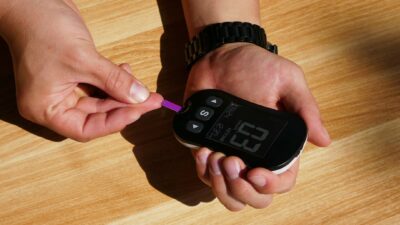
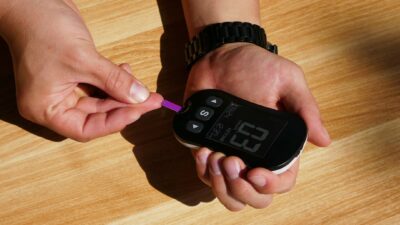
Yes, stress raises blood sugar. When you feel stressed, your body releases cortisol and adrenaline, which tell the liver to dump stored glucose into the bloodstream and make cells temporarily resistant to insulin. The effect is measurable even without eating a single carb, and it can matter for anyone with prediabetes or diabetes.
Why Stress Raises Blood Sugar
Stress activates the “fight or flight” system. The hypothalamus signals the adrenal glands to release adrenaline within seconds and cortisol over minutes to hours. Both hormones increase glucose availability for quick action. Adrenaline tells the liver to break down stored glycogen. Cortisol stimulates the liver to make new glucose from amino acids (gluconeogenesis) and reduces insulin’s ability to move glucose into cells.
This response evolved when stressors were physical, like escaping a predator. The extra glucose would fuel muscle. Today most stressors are psychological — work deadlines, family conflict, traffic — but the biochemistry is identical. The fuel gets released whether or not you use it.
Acute Stress vs. Chronic Stress
Acute stress produces a brief glucose spike. In people with typical insulin sensitivity, the rise is quickly cleared. In people with insulin resistance or prediabetes, the spike is larger and takes longer to clear. A single stressful meeting can push a diabetic person’s glucose up by 20 to 50 mg/dL without food.
Chronic stress is more insidious. Long-term elevated cortisol keeps liver glucose output high, blunts insulin sensitivity, and promotes visceral fat storage. Over months, these effects raise fasting glucose and A1C. Epidemiological studies link chronic stress and depression to higher risk of type 2 diabetes.
Typical Blood Sugar Changes From Common Stressors
| Stressor | Typical Glucose Impact | Duration |
|---|---|---|
| High-stakes meeting | +15-40 mg/dL | 30-90 minutes |
| Illness or infection | +30-100 mg/dL | Days |
| Surgery or trauma | +50-200 mg/dL | Hours to days |
| Poor sleep (one night) | Reduced insulin sensitivity ~25% | Next day |
| Chronic work stress | +0.2-0.5% A1C | Weeks to months |
| Acute emotional shock | +30-80 mg/dL | 1-3 hours |
These numbers are averages from clinical studies; individual responses vary. People wearing continuous glucose monitors often catch these patterns in their own data.
Sleep: The Overlooked Stressor
Sleep loss behaves like a physiological stressor. A classic experimental study found that restricting healthy adults to four hours of sleep for six nights reduced insulin sensitivity by about 30 percent and produced glucose curves similar to people with early diabetes. The effect reversed with normal sleep, but chronic partial sleep deprivation, common in modern life, has similar metabolic fingerprints.
Prioritizing seven to nine hours of sleep, a consistent bedtime, and a dark cool room is one of the most effective non-drug strategies for steadier glucose. It is not glamorous advice, but the evidence is consistent.
How Stress Interacts With Food
Stress also affects behavior in ways that further raise blood sugar. Many people eat more carbs and more sugar when under stress — a “comfort food” response driven partly by cortisol’s effect on appetite. Stress eating combined with stress hormones stacks effects. You get both direct hormone-driven glucose rise and a larger post-meal glucose curve.
If stress eating is part of your pattern, recognize it as a physiological response, not a moral failing. Strategies include keeping non-sugar snacks available, pausing for a five-minute walk before reaching for food, and focusing on protein and fiber at meals. Attention to diet and nutrition under stress is often the highest-leverage change.
Evidence-Based Tools That Lower the Stress Response
Not every stress-management trend has glucose data behind it, but several do. Slow-paced breathing (four to six breaths per minute) lowers cortisol and improves heart rate variability. Mindfulness meditation programs of eight weeks or longer have reduced A1C by 0.1 to 0.3 percentage points in small trials. Yoga and tai chi have similar effects, likely through a combination of breathing, movement, and parasympathetic activation.
Regular aerobic exercise is among the most effective stress-reducers. A 20-minute walk lowers both cortisol and blood sugar. Strength training builds glucose-consuming muscle and improves mood. Social connection — in-person time with people you like — has measurable effects on cortisol. None of these tools replace medical treatment when needed, but they complement it powerfully.
When to Ask for More Help
If stress or mood is disrupting your diabetes management, sleep, work, or relationships, that is a signal to involve a clinician. Depression, anxiety, and diabetes distress affect a large share of people with diabetes and prediabetes, and all are treatable. Behavioral therapy, support groups, and medication when appropriate can help. A primary care clinician or endocrinologist can refer you to a mental health professional familiar with chronic illness.
Chronic stress that is also disrupting A1C control may justify a temporary adjustment of diabetes medications, more frequent monitoring, or a structured stress-reduction program. Your care team can help you build a plan.
The Bottom Line
Stress raises blood sugar through cortisol and adrenaline, and the effect is real for people with and without diabetes. Acute stress produces brief spikes; chronic stress produces sustained elevation and measurable increases in A1C. Sleep, breathing exercises, walking, and social connection all have evidence behind them. If stress is derailing your glucose control, bring it up with your clinician so you can address it systematically rather than hope it passes.
Medical disclaimer: This article is for educational purposes only and does not replace medical advice. Always consult a qualified healthcare provider before starting, stopping, or changing any treatment.