A blood sugar of 400 mg/dL is dangerously high and requires immediate attention. At this level, you may feel severely thirsty, need to urinate constantly, have blurred vision, feel nauseated, or notice a fruity smell on your breath. In some cases a reading this high signals diabetic ketoacidosis (DKA) or hyperosmolar hyperglycemic state (HHS), which are medical emergencies.
What a 400 Reading Means
Normal fasting blood sugar is under 100 mg/dL. A level between 100 and 125 mg/dL indicates prediabetes, and 126 or higher on two occasions is diabetes. A random reading of 400 mg/dL falls well above the diabetic threshold and represents severe hyperglycemia. At levels this high, glucose has been too high for long enough to cause measurable symptoms and can start to affect organ systems.
In people with known diabetes, a 400 may follow a missed insulin dose, an illness, a large high-carb meal, pump or pen failure, or steroid use. In people without a diagnosis, it may be the first sign of type 1 or type 2 diabetes — sometimes presenting in an emergency department before any primary-care visit.
Symptoms Commonly Present at This Level
Most people at 400 mg/dL notice several of the following: extreme thirst, frequent urination, dry mouth, blurred vision, fatigue, headache, nausea, weight loss over days to weeks, and itchy skin. In more severe hyperglycemia, symptoms progress to fruity breath odor (a ketone sign), rapid deep breathing, abdominal pain, vomiting, confusion, and eventually loss of consciousness.
If symptoms are severe or include vomiting, confusion, or rapid breathing, treat it as an emergency. Do not wait for an office appointment.
Warning Signs to Go to the Emergency Room
| Symptom | Possible Cause | Action |
|---|---|---|
| Fruity breath, rapid deep breathing | Diabetic ketoacidosis (DKA) | Emergency room now |
| Vomiting, unable to keep fluids down | DKA or HHS | Emergency room now |
| Confusion, drowsiness, slurred speech | HHS or severe DKA | Emergency room now |
| Positive urine or blood ketones | DKA | Call clinician; ER if moderate-large |
| Severe abdominal pain | DKA | Emergency room now |
| No symptoms, recent normal readings | Possibly spurious | Recheck, hydrate, call clinician |
If any row in the “Emergency room now” column applies, stop reading and seek care. Every hour of delay with DKA or HHS raises the risk of complications.
DKA and HHS: Two Dangerous Patterns
Diabetic ketoacidosis (DKA) most often affects people with type 1 diabetes but can occur in type 2 as well. It happens when the body has almost no insulin, so cells cannot use glucose and switch to burning fat, producing ketones. The blood becomes acidic. Classic findings are high glucose, moderate-to-large ketones, and rapid deep breathing. DKA is a medical emergency treated with IV insulin and fluids in the hospital.
Hyperosmolar hyperglycemic state (HHS) more often affects older adults with type 2 diabetes, sometimes during an illness. Glucose often climbs above 600 mg/dL with minimal ketones but profound dehydration and altered mental status. HHS is also a medical emergency and requires IV fluids, electrolyte correction, and insulin.
Steps to Take If You See 400 at Home
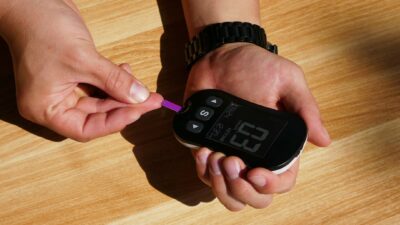
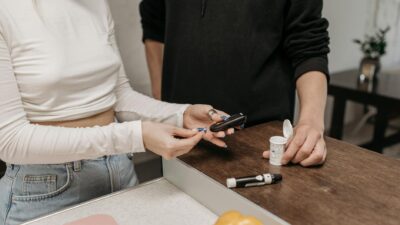
Recheck the reading on a clean finger with a fresh test strip; a dirty finger with residual food sugar can produce a falsely high result. Drink water. If you have a ketone meter or strips, check for ketones, especially if you have type 1 diabetes. Contact your clinician’s office, on-call line, or go to urgent care or the emergency room depending on symptoms.
Do not exercise at very high glucose levels, and especially not if ketones are present; intense activity can worsen ketone production. Do not stack correction insulin doses without guidance from your care team — repeated corrections can cause dangerous low blood sugar several hours later.
Preventing Repeat 400 Readings
After the immediate situation is stabilized, work with your clinician on a sick-day plan, a clear protocol for correction doses, and strategies to avoid repeat spikes. A continuous glucose monitor makes early upward drift obvious hours before a meter-check catches it. Review medications for sources of hyperglycemia, check equipment (pump, pens, strips) for failures, and confirm prescriptions are up to date.
In people with type 2 diabetes, repeated high readings may mean current therapy is not controlling glucose well. A clinician may intensify treatment, add medications, or adjust diet and nutrition planning. Do not wait for the next emergency to address this.
The Bottom Line
A blood sugar of 400 mg/dL is severe hyperglycemia and deserves immediate attention. Recheck, hydrate, check for ketones if applicable, and contact your clinician or the emergency room depending on symptoms. Fruity breath, rapid breathing, vomiting, confusion, or severe abdominal pain means call 911 or go to the ER. Afterward, work with your care team to understand the cause and prevent the next one.
Medical disclaimer: This article is for educational purposes only and does not replace medical advice. Always consult a qualified healthcare provider, and in an emergency call 911 or go to the nearest emergency department.