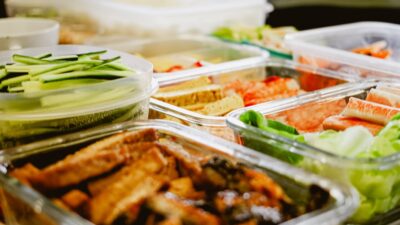
The most effective diet to reverse prediabetes shifts your plate toward vegetables, lean protein, legumes, whole grains, nuts, and healthy fats while cutting sugar-sweetened drinks, refined grains, and ultra-processed snacks. Combined with modest weight loss (5 to 7 percent) and 150 minutes of weekly activity, this pattern lowers A1C by 0.3 to 0.7 points within 3 to 6 months and can return most people to normal blood sugar levels.
Why Diet Reverses Prediabetes
Prediabetes develops when cells become resistant to insulin, forcing the pancreas to pump out more. Refined carbs and excess calories drive the insulin demand up; fiber-rich whole foods and weight loss bring it down. A landmark Diabetes Prevention Program (NEJM 2002) study showed that diet plus exercise cut progression to type 2 diabetes by 58 percent over 3 years, more than metformin alone.
For a broader picture of how prediabetes reverses, see our reverse prediabetes guide.
The Core Principles
- Fill half your plate with non-starchy vegetables at lunch and dinner.
- Include protein at every meal to blunt glucose spikes and preserve muscle.
- Choose intact whole grains over refined or ultra-processed versions.
- Add healthy fats from olive oil, nuts, seeds, and fatty fish.
- Cut liquid sugar completely: soda, juice, sweet tea, flavored coffee drinks.
- Limit ultra-processed foods to occasional, not daily.
- Aim for a modest calorie deficit if you need to lose weight (250 to 500 calories below maintenance).
Foods to Eat Freely
| Category | Examples |
|---|---|
| Non-starchy vegetables | Leafy greens, broccoli, peppers, zucchini, cauliflower, tomatoes, cucumbers |
| Lean protein | Chicken breast, turkey, fish, eggs, tofu, tempeh, cottage cheese, Greek yogurt |
| Legumes | Lentils, chickpeas, black beans, kidney beans, edamame |
| Whole grains | Steel-cut oats, quinoa, barley, farro, brown rice, buckwheat |
| Healthy fats | Olive oil, avocado, nuts, seeds, fatty fish |
| Fruit (limited) | Berries, apples, pears, citrus, kiwi |
Foods to Limit or Avoid
- Sugar-sweetened beverages (soda, juice, energy drinks, sweet tea)
- White bread, white rice, pastries, breakfast cereals with added sugar
- Candy, cookies, cakes, ice cream
- Deep-fried foods
- Processed meats (bacon, sausage, hot dogs, deli meats)
- Refined snack foods (chips, crackers, pretzels)
- Large portions of starchy foods (potatoes, pasta) at a single meal
Three Evidence-Based Eating Patterns
1. Mediterranean Diet
Focuses on olive oil, vegetables, legumes, whole grains, fish, nuts, and moderate wine. Strong cardiovascular evidence; lowers A1C by 0.3 to 0.5 points on average.
2. Low-Carb / Very Low-Carb
Limits carbs to 50 to 130 grams daily (or below 50 for ketogenic). Often produces the fastest A1C drops (0.5 to 0.9 points in 3 to 6 months) and meaningful weight loss.
3. DASH Diet
Originally for blood pressure, but also lowers A1C. Emphasizes fruits, vegetables, whole grains, and low-fat dairy while limiting sodium and saturated fat.
Sample 7-Day Meal Framework
| Day | Breakfast | Lunch | Dinner |
|---|---|---|---|
| Mon | Greek yogurt, berries, chia | Lentil soup, side salad | Grilled salmon, roasted broccoli, quinoa |
| Tue | Veggie omelet, avocado | Chicken and greens bowl | Turkey chili with beans |
| Wed | Steel-cut oats, walnuts, apple | Tuna salad on mixed greens | Tofu stir-fry with brown rice |
| Thu | Cottage cheese, berries, flax | Chickpea and veg wrap (whole grain) | Baked chicken, cauliflower mash, spinach |
| Fri | Smoothie (spinach, Greek yogurt, berries, chia) | Quinoa bowl with salmon and avocado | Shrimp and veg stir-fry |
| Sat | Vegetable frittata | Mediterranean salad with chickpeas | Grilled fish tacos (corn tortillas) |
| Sun | Whole-grain toast, eggs, tomato | Lentil and vegetable stew | Roast chicken, sweet potato, green beans |
Portion and Timing Tips
- Use the plate method: half vegetables, a quarter protein, a quarter whole grains or starchy vegetable.
- Eat protein and vegetables before carbs within a meal; this reduces post-meal glucose peaks by 15 to 25 percent.
- Stop eating 3 hours before bed to support overnight glucose control.
- Walk 10 to 15 minutes after meals to blunt glucose spikes.
Tracking Progress
Retest A1C at 3 months. Most people see 0.2 to 0.5 point drops. If progress stalls, review portion sizes, hidden sugars (sauces, dressings, yogurts), and activity minutes. Learn more about ongoing management in our diet and nutrition hub.
The Bottom Line
A diet to reverse prediabetes is built around vegetables, lean protein, legumes, whole grains, and healthy fats, with refined carbs and sugary drinks cut out. Any of the three major patterns (Mediterranean, low-carb, DASH) works; pick the one you can sustain. Combined with modest weight loss and daily walking, most people see A1C drop back into the normal range within 3 to 6 months.