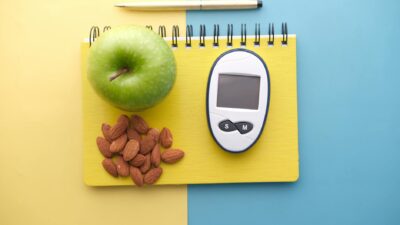
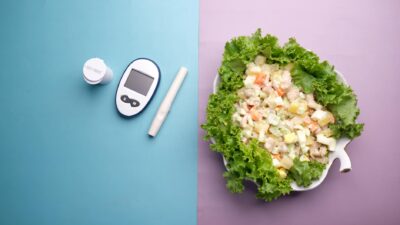
A pre diabetes diet plan organizes your meals around non-starchy vegetables, lean protein, whole grains, legumes, and healthy fats while eliminating sugar-sweetened drinks and most ultra-processed foods. Following a structured 7-day plan with consistent portions typically lowers A1C by 0.3 to 0.7 percentage points in 3 to 6 months, enough to move most people from prediabetes back to normal blood sugar.
Core Framework: The Plate Method
Use a 9-inch plate at lunch and dinner. Fill it as follows:
- Half: non-starchy vegetables (leafy greens, broccoli, peppers, zucchini, cauliflower)
- One quarter: lean protein (chicken, fish, tofu, eggs, Greek yogurt, cottage cheese)
- One quarter: whole grains or starchy vegetables (quinoa, brown rice, sweet potato, legumes)
- Plus: 1 to 2 tablespoons of healthy fat (olive oil, avocado, nuts, seeds)
- Drink: water, unsweetened tea, or coffee
Daily Targets
| Nutrient | Target |
|---|---|
| Calories | 500 below maintenance if losing weight |
| Carbohydrates | 130 to 180 g (40 to 45% of calories) |
| Fiber | 25 to 35 g |
| Protein | 20 to 30% of calories (0.6 to 0.8 g per pound) |
| Fat | 30 to 35% of calories (mostly unsaturated) |
| Added sugar | Less than 25 g |
| Sodium | Less than 2,300 mg |
7-Day Pre Diabetes Meal Plan
| Day | Breakfast | Lunch | Snack | Dinner |
|---|---|---|---|---|
| Mon | Greek yogurt, berries, chia seeds | Lentil soup, mixed greens with olive oil | Apple with almond butter | Grilled salmon, roasted broccoli, quinoa |
| Tue | Veggie omelet, avocado, whole-grain toast | Chicken salad over spinach, chickpeas | Cottage cheese, walnuts | Turkey chili with beans, side salad |
| Wed | Steel-cut oats, walnuts, cinnamon | Tuna salad lettuce wraps, cucumber | Hummus, bell pepper sticks | Tofu stir-fry, brown rice, edamame |
| Thu | Smoothie: spinach, Greek yogurt, berries, flax | Chickpea veg wrap (whole grain tortilla) | Handful almonds, pear | Baked chicken, cauliflower mash, spinach |
| Fri | Scrambled eggs, sautéed kale, tomato | Quinoa salmon bowl, avocado | Greek yogurt, blueberries | Shrimp stir-fry, bok choy, wild rice |
| Sat | Vegetable frittata, fresh fruit | Mediterranean salad with chickpeas, feta | Hard-boiled egg, cucumber | Grilled fish tacos, corn tortilla, slaw |
| Sun | Whole-grain toast, eggs, avocado, tomato | Lentil vegetable stew, side salad | Cottage cheese, strawberries | Roast chicken, sweet potato, green beans |
Shopping List
Produce
- Leafy greens (spinach, kale, mixed greens)
- Broccoli, cauliflower, bell peppers, zucchini, cucumbers, tomatoes
- Berries, apples, pears, lemons
- Sweet potatoes, garlic, onions, avocados
Protein
- Chicken breast, salmon, tuna, shrimp, eggs
- Greek yogurt (plain), cottage cheese
- Tofu or tempeh, canned beans, lentils, chickpeas
Pantry
- Olive oil, avocado oil
- Quinoa, steel-cut oats, brown rice
- Whole-grain bread and tortillas
- Almonds, walnuts, chia, flax, hummus
- Herbs, spices, vinegar, mustard
Foods to Avoid
- Sugar-sweetened beverages (soda, juice, sweet tea)
- White bread, white rice, pastries, donuts
- Candy, cookies, cakes, ice cream
- Deep-fried foods
- Processed meats (bacon, sausage, hot dogs)
- Flavored yogurts, granola bars with added sugar
- Large portions of crackers, chips, pretzels
Portion and Timing Tips
- Eat every 3 to 4 hours to steady glucose; skip long gaps that lead to overeating.
- Eat protein and vegetables before carbs within a meal; this trims post-meal spikes by 15 to 25 percent.
- Walk 10 to 15 minutes after each meal to further reduce spikes.
- Cap added sugar at 25 grams per day (about 6 teaspoons).
- Aim for 2 to 3 liters of water daily.
Combine the Plan With Movement
Diet alone helps, but diet plus 150 minutes of weekly moderate activity (brisk walking, cycling, swimming) and two resistance sessions produces the biggest A1C drops. This matches the Diabetes Prevention Program protocol that reduced diabetes risk by 58 percent. See our reverse prediabetes guide for the combined approach.
How to Track Results
- Weigh yourself weekly at the same time of day
- Log food for the first 4 weeks to anchor portions
- Retest A1C at 3 months
- Adjust if A1C or weight is not moving: tighten portions, cut hidden sugars, increase activity
For more on food choices, see our diet and nutrition hub.
The Bottom Line
A pre diabetes diet plan gives you a repeatable framework: plate method portions, 3 meals plus 1 to 2 snacks, vegetables and protein at the center, refined carbs and sugary drinks removed. Following this 7-day pattern, paired with regular activity and 5 to 7 percent weight loss, usually returns A1C to normal within 3 to 6 months. Consistency matters more than perfection; aim to follow the pattern most days of the week.