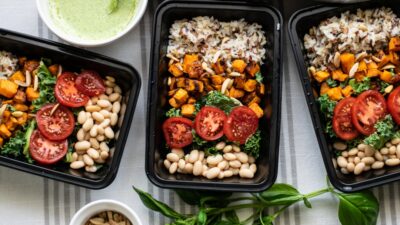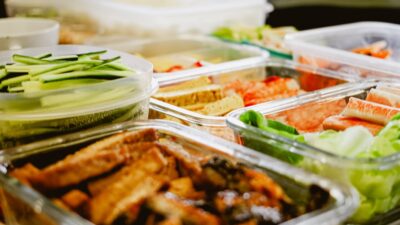
A pre diabetes diet prioritizes non-starchy vegetables, lean protein, healthy fats, legumes, and intact whole grains while sharply limiting added sugar, refined carbohydrates, and ultra-processed foods. The goal is not a restrictive plan – it is a sustainable way of eating that lowers A1C, supports 5 to 7% weight loss, and can reduce your risk of progressing to type 2 diabetes by more than half.
What a Pre Diabetes Diet Actually Looks Like
There is no single “prediabetes diet”. Major evidence-based options include the Mediterranean, DASH, and lower-carbohydrate patterns. All share the same core: real food, plenty of fiber, controlled portions of starch, and minimal added sugar. The American Diabetes Association emphasizes that a sustainable eating pattern beats any specific named diet.
The Plate Method
The simplest way to build a prediabetes-friendly meal is the Plate Method, promoted by the ADA and the CDC.
- Half the plate: non-starchy vegetables (broccoli, spinach, peppers, salad greens, cauliflower, zucchini)
- One quarter: lean protein (chicken, fish, tofu, eggs, Greek yogurt, lean beef)
- One quarter: high-fiber carbs (quinoa, beans, lentils, sweet potato, intact whole grains, fruit)
- Add: a thumb of healthy fat (olive oil, avocado, nuts, seeds)
- Drink: water, unsweetened tea, or coffee
Foods to Build Meals Around
| Category | Best Choices | Use Sparingly | Limit or Avoid |
|---|---|---|---|
| Vegetables | Leafy greens, broccoli, cauliflower, peppers, tomatoes | Corn, peas, winter squash | Fried vegetables, creamed vegetables |
| Fruits | Berries, apples, pears, oranges, kiwi | Bananas, grapes, mango | Fruit juice, canned fruit in syrup |
| Grains | Oats, quinoa, barley, sprouted grain bread | Brown rice, whole-grain pasta | White bread, white rice, pastries, cereal |
| Protein | Fish, chicken, turkey, eggs, tofu, Greek yogurt | Lean beef, pork | Processed meats, fried chicken, sausage |
| Fats | Olive oil, avocado, nuts, seeds | Butter, coconut oil | Trans fats, hydrogenated oils |
| Dairy | Plain Greek yogurt, cottage cheese, unsweetened milk | Whole milk, regular cheese | Sweetened yogurt, flavored milks, ice cream |
| Drinks | Water, unsweetened tea, black coffee | Sparkling water with flavoring | Soda, sweet tea, juice, sports drinks |
What to Cut First
If you change only four things, start here:
- Sugar-sweetened drinks: soda, sweet tea, fruit juice, flavored lattes. The single biggest driver of blood sugar spikes and weight gain.
- Refined grains: white bread, white rice, regular pasta, most breakfast cereal. Swap for intact whole grains or legumes.
- Snack foods: chips, crackers, granola bars, pretzels. Most deliver a large carb load with no protein.
- Desserts: cookies, cakes, ice cream. Keep them occasional, not daily.
Sample Day of Eating
- Breakfast: 2 eggs scrambled with spinach and peppers, 1 slice sprouted grain toast with avocado, black coffee
- Lunch: Big salad with mixed greens, grilled chicken, chickpeas, cucumber, olive oil and lemon, a small apple
- Snack: Plain Greek yogurt with a handful of berries and a few walnuts
- Dinner: Baked salmon, roasted broccoli and cauliflower with olive oil, 1/2 cup quinoa
- Optional: square of dark chocolate (70%+) or a few strawberries
Approximate macros: 130-160 g carbs, 100-120 g protein, 35-40 g fiber, 1800-2000 kcal. Adjust to your body size and goals.
Does Carb Counting Matter?
Carb counting is helpful but not required. Most people with prediabetes do well somewhere in the range of 130 to 200 grams of carbohydrates per day, split across meals of roughly 30 to 50 grams. Others respond better to a lower-carb pattern of 50 to 130 grams per day. The key is consistency: stable carb intake day to day produces more stable glucose.
If you want precision, use a glucose meter or CGM and test how specific meals affect you. Many people discover they can eat more quinoa than expected but very little white rice, or that oatmeal spikes them more than eggs. Pattern-finding beats dogma.
Lifestyle Factors That Amplify the Diet
Diet works best in combination with:
- Activity: 150 minutes of moderate exercise per week plus 2 sessions of strength training
- Sleep: 7 to 9 hours per night – poor sleep raises insulin resistance
- Stress management: chronic stress elevates cortisol and blood sugar
- Weight loss: even 5 to 7% loss (10-15 lb for a 200 lb adult) can return A1C to normal
Together, these steps form the core of reversing prediabetes.
Common Mistakes
- Relying on “low-fat” or “sugar-free” processed foods that replace fat with starch or artificial sweeteners
- Skipping meals and then overeating at night
- Eating fruit juice instead of whole fruit
- Underestimating portions of “healthy” carbs like brown rice and sweet potato
- Ignoring liquid calories in alcohol, lattes, and smoothies
Work With a Professional
If cost is a barrier, Medicare and many insurers now cover the National Diabetes Prevention Program, which pairs structured nutrition counseling with a coach. A registered dietitian can also personalize carb targets, medication timing, and food preferences.
The Bottom Line
A pre diabetes diet is less about any single food and more about the overall pattern: vegetables and protein at the center of the plate, high-fiber carbs in supporting roles, healthy fats for satiety, and added sugar pushed to the margins. Do that consistently, pair it with movement and sleep, and you give yourself the best chance to lower A1C and avoid type 2 diabetes entirely.